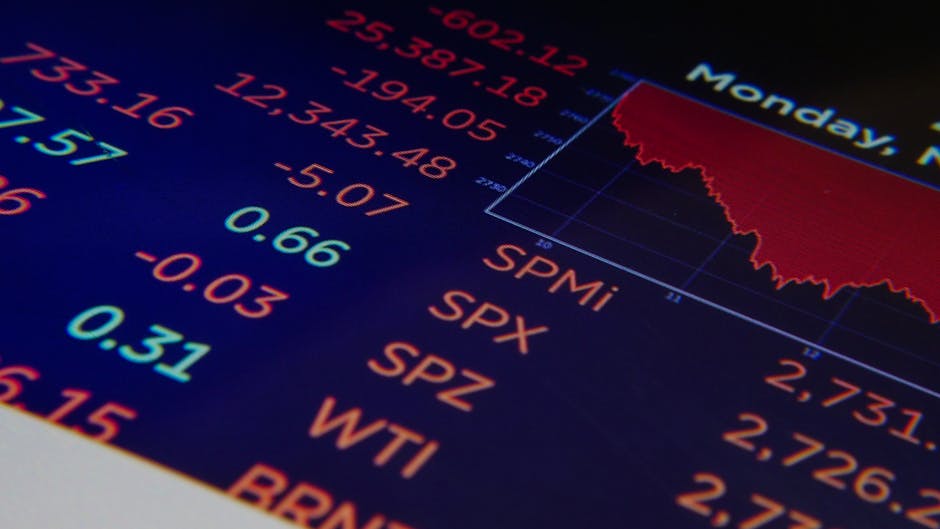
- Stock market struggles are largely due to market concentration, with a small group of large-cap stocks dominating the market.
- Investors are overlooking smaller stocks, which could rise as market trends shift in unexpected ways.
- Global markets are also experiencing similar trends of market concentration.
- Market concentration is a recurring theme in history, often followed by a shift in trends.
- Investors are looking for new opportunities, leaving room for smaller stocks to rise.
The stock market has been a wild ride lately, with many investors wondering if the only way is really down for stocks. The headlines are filled with stories of plunging stocks and a struggling economy. However, a closer look at the market reveals that concentration is a major factor, with a small group of large-cap stocks dominating the market. This leaves room for the majority of equities to rise, as market trends often shift in unexpected ways.
Current Market Trends

The current situation in the stock market is one of uncertainty, with many investors unsure of what to expect next. The key facts are that the market is heavily concentrated, with a small group of stocks making up a large portion of the market’s value. This concentration is not limited to the US market, as global markets are also experiencing similar trends. The result is that many smaller stocks are being overlooked, leaving room for them to rise as investors look for new opportunities.
A Brief History of Market Concentration

The story behind the current market trends is one of historical context, with market concentration being a recurring theme. In the past, we have seen similar periods of concentration, followed by a shift in trends as investors look for new opportunities. This is often driven by economic factors, such as changes in interest rates or shifts in global trade. Understanding this history is key to making sense of the current market and identifying potential opportunities for growth.
The Players Shaping the Market

The people shaping the market are a mix of institutional investors, hedge funds, and individual investors. Their motivations are varied, but many are looking for ways to capitalize on the current trends. Some are taking a contrarian approach, betting against the current trends in the hopes of making a profit when the market shifts. Others are looking for ways to diversify their portfolios, reducing their exposure to the concentrated large-cap stocks and investing in smaller, overlooked equities.
Consequences for Investors

The consequences of the current market trends are significant for investors, as many are struggling to make sense of the uncertainty. For those who are heavily invested in the large-cap stocks, the concentration of the market may not be a major concern. However, for those looking to diversify their portfolios or invest in smaller stocks, the current trends present a unique opportunity. As the market continues to evolve, it is likely that we will see a shift in trends, with the overlooked equities rising in value as investors look for new opportunities.
The Bigger Picture
The bigger picture is one of a complex and ever-changing market, with many factors at play. The current concentration of the market is just one aspect of a larger trend, with global economic factors also playing a significant role. As investors look to the future, it is essential to consider the broader context, taking into account the many factors that will shape the market in the years to come.
In conclusion, while the current market trends may seem uncertain, there are opportunities for growth and investment. As the market continues to evolve, it is likely that we will see a shift in trends, with the overlooked equities rising in value. For investors, the key is to stay informed and adapt to the changing market, looking for opportunities to diversify their portfolios and capitalize on the unique trends of the current market. With the right approach, it is possible to navigate the uncertainty and come out ahead, as the market continues to shift and evolve in the years to come.
Source: Financial Times