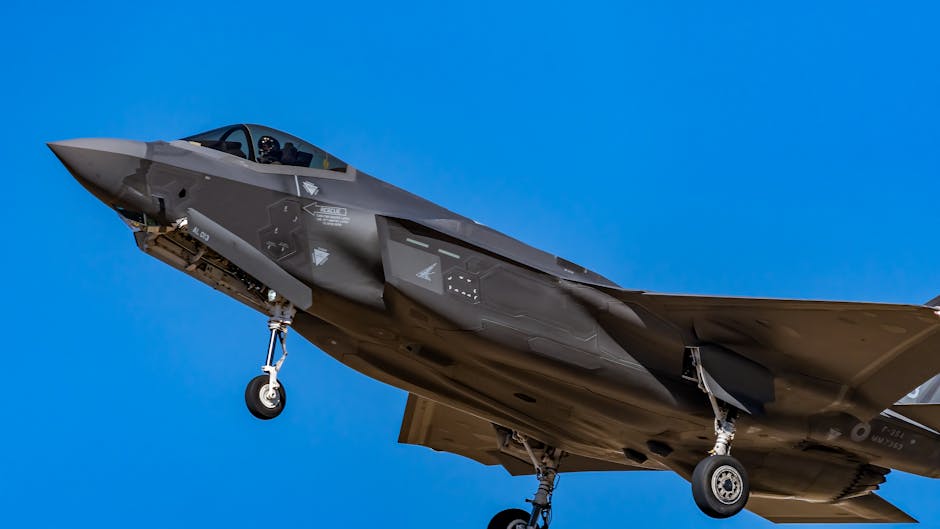
- Boeing’s stock plummeted 4% after China announced a significantly lower jet order than expected, causing investor skepticism.
- The limited order of 200 jets is a worrying signal for Boeing’s revenue trajectory amid global air travel recovery signs.
- China’s strategic shift in aircraft procurement underscores the fragility of U.S.-China trade relations in the aerospace sector.
- Boeing’s operational crises, including the 737 MAX grounding and production delays, have been exacerbated by geopolitical tensions.
- China’s focus on self-reliance in aviation, investing in its C919 narrow-body jet, poses a threat to Boeing’s market share.
Boeing’s stock tumbled 4% in early trading following a surprising announcement by former President Donald Trump that China would purchase only 200 of the company’s commercial jets—a figure well below market forecasts and a stark indicator of the persistent headwinds facing the U.S. aerospace industry. Analysts had projected orders closer to 300-400 aircraft amid signs of recovery in global air travel, making the shortfall a worrying signal for Boeing’s revenue trajectory. The decline wiped over $2.5 billion off the company’s market capitalization in a single session, reflecting investor skepticism about Boeing’s ability to regain lost ground in one of the world’s largest aviation markets. This latest setback compounds years of operational crises, including the 737 MAX grounding and production delays, now exacerbated by geopolitical tensions influencing trade decisions.
China’s Strategic Shift in Aircraft Procurement

The limited order announcement, made by Trump during a campaign rally without coordination with Boeing or the current administration, underscores the fragility of U.S.-China trade relations in the aerospace sector. Historically, China has been a critical growth market for Boeing, accounting for nearly 25% of its commercial airplane deliveries over the past two decades. However, Beijing has increasingly prioritized self-reliance in aviation, investing heavily in its homegrown C919 narrow-body jet developed by the Commercial Aircraft Corporation of China (COMAC). With over 1,000 C919 orders already secured domestically and from regional allies, China is signaling a long-term pivot away from Western suppliers. The 200-jet deal, if finalized, would represent a fraction of the fleet expansion China is expected to require by 2040, according to projections by Reuters based on industry forecasts.
Behind the Scenes of a Troubled Announcement

The announcement’s origin raises questions about diplomatic and corporate coordination. Trump claimed credit for brokering the deal, but neither Boeing nor the Biden administration confirmed any such agreement, casting doubt on the order’s legitimacy. Boeing issued a brief statement saying it was “engaged in ongoing discussions with all key customers, including those in China,” but offered no confirmation of a finalized contract. U.S. trade officials also distanced themselves from the claim, highlighting the growing trend of using economic pledges as political rhetoric during election cycles. Meanwhile, China’s Civil Aviation Administration has not acknowledged the deal, and industry insiders suggest that any large-scale procurement would require extensive technical evaluations, financing arrangements, and regulatory approvals—none of which are publicly underway. The lack of transparency fuels speculation that the announcement was more symbolic than substantive.
Market Reaction and Structural Challenges

Financial markets reacted swiftly, with Boeing’s stock (BA) closing down 4.1% on the day, underperforming the broader Dow Jones Industrial Average. The drop reflects deeper concerns beyond a single order: Boeing continues to grapple with supply chain disruptions, labor shortages, and quality control issues that have delayed deliveries of its 787 Dreamliner and 777X programs. In contrast, rival Airbus has ramped up deliveries and secured long-term contracts in Asia, including a recent deal with Chinese leasing firms for 160 A320-family aircraft. According to data from BBC News, Airbus now holds a 60% share of China’s narrow-body market, up from 45% five years ago. Analysts at JPMorgan warn that Boeing’s market share in China could fall below 30% by 2030 unless it regains trust through consistent production and delivery performance.
Implications for U.S. Aerospace and Trade Policy

The potential loss of scale in China has far-reaching implications for Boeing’s global competitiveness and U.S. industrial policy. Reduced orders mean fewer economies of scale, higher per-unit costs, and diminished R&D capacity—factors that could weaken Boeing’s position against Airbus in other emerging markets. Moreover, the aerospace sector supports over 2 million U.S. jobs, many of them in manufacturing and engineering hubs across Washington, Kansas, and South Carolina. A prolonged downturn in exports could lead to workforce reductions and slower innovation cycles. The situation also highlights the risks of entangling corporate trade deals with political messaging, especially in strategically sensitive industries where long-term planning is essential. Without a coherent export strategy, U.S. companies may find themselves at a disadvantage in negotiations with state-backed competitors.
Expert Perspectives
Industry analysts are divided on the significance of the announcement. Some, like Richard Aboulafia of AeroDynamic Advisory, argue that “political theater around jet deals distracts from the real issue: Boeing’s operational failures have handed Airbus a structural advantage.” Others, such as Sophia Yan of CNN Business, note that “China still needs Western aircraft to meet growing demand, but it will leverage geopolitical tensions to extract better terms.” Meanwhile, trade economists caution that using aircraft sales as diplomatic currency undermines market predictability and investor confidence, making it harder for companies to plan multi-year production schedules.
Looking ahead, investors will watch for confirmation—or denial—of the 200-jet deal from official sources. More importantly, Boeing must demonstrate progress in stabilizing its production systems and rebuilding trust with regulators and airlines. The company is also expected to unveil a new narrow-body aircraft by 2026 to compete with the Airbus A320neo and COMAC C919. Whether it can do so while navigating geopolitical turbulence and supply chain constraints will determine its long-term viability in the global market.
Source: Townflexnews