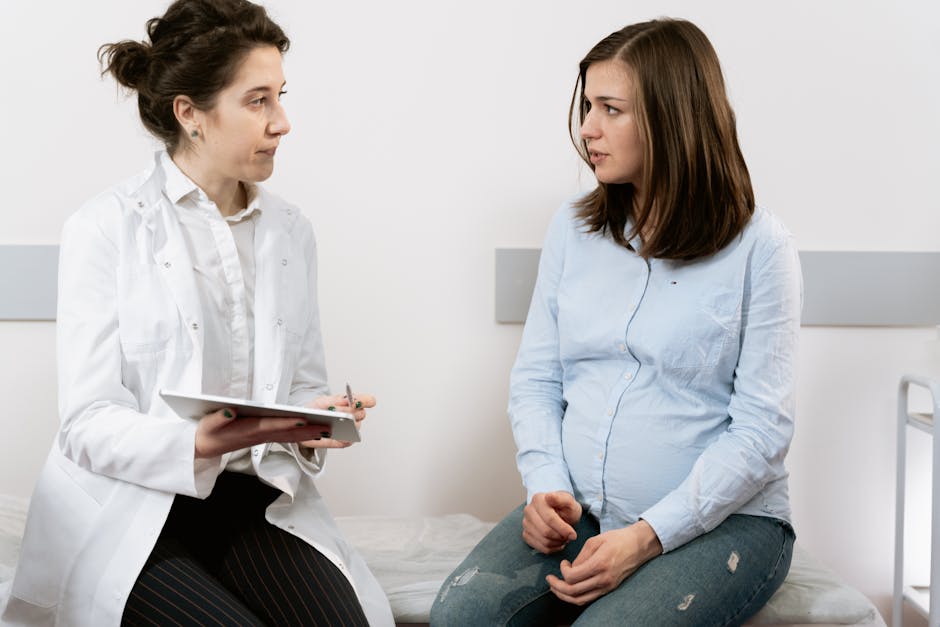
- A landmark study involving 1.4 million children found no association between antidepressant use during pregnancy and autism risk.
- The study’s findings suggest that treating maternal depression with antidepressants may outweigh unproven developmental risks.
- For most expectant mothers, the benefits of depression treatment may outweigh potential risks, especially with untreated mental illness.
- The study challenges long-standing fears about antidepressant use during pregnancy and its impact on children’s development.
- The analysis of 41 studies provides reassuring evidence for pregnant women considering antidepressant use.
More than 10% of pregnant women worldwide experience depression, yet concerns over potential neurodevelopmental risks to children have long deterred many from using antidepressants during pregnancy. A landmark systematic review and meta-analysis of 41 studies involving over 1.4 million children, published in The Lancet Psychiatry, now offers reassuring evidence: the use of nearly all antidepressants during pregnancy is not associated with a statistically significant increased risk of autism spectrum disorder (ASD) or attention-deficit/hyperactivity disorder (ADHD) in offspring. The findings challenge long-standing fears and suggest that for most expectant mothers, the benefits of treating maternal depression may outweigh unproven developmental risks, particularly when untreated mental illness poses serious threats to both mother and child.
Why This Study Changes the Conversation

For over a decade, clinical guidance on antidepressant use in pregnancy has been shaped by conflicting studies, some of which reported modest associations between selective serotonin reuptake inhibitors (SSRIs) and neurodevelopmental disorders. These findings, often misinterpreted as causal, created widespread anxiety among patients and clinicians alike, leading some women to discontinue essential medication during a vulnerable period. The new analysis, led by researchers at the University of Bristol and Karolinska Institutet, rigorously evaluated data from cohort and case-control studies published between 1999 and 2022, adjusting for critical confounding factors such as maternal mental health severity, socioeconomic status, and genetic predispositions. By applying advanced statistical methods including sibling-controlled analyses and exposure misclassification assessments, the study significantly strengthens causal inference. Its conclusion—that observed associations largely dissipate when confounding variables are accounted for—marks a pivotal shift toward evidence-based decision-making in perinatal psychiatry.
What the Data Actually Shows

The meta-analysis examined 36 studies on autism and 23 on ADHD, covering multiple antidepressant classes including SSRIs, serotonin-norepinephrine reuptake inhibitors (SNRIs), and tricyclics. Initial, unadjusted results suggested a 20–30% higher relative risk of autism and ADHD among children exposed to antidepressants in utero. However, after adjusting for maternal psychiatric history, age, smoking, and other sociodemographic factors, the risk reduction was substantial. In sibling-controlled studies—considered the gold standard for minimizing genetic and environmental confounding—the association dropped to near null. Notably, only one drug, clomipramine (a tricyclic antidepressant rarely used today), retained a weak signal for ADHD risk, though researchers caution this may reflect indication bias rather than direct toxicity. The vast majority of commonly prescribed antidepressants, including sertraline and fluoxetine, showed no meaningful link to either condition once confounders were considered.
Untangling Causality from Correlation

The persistence of perceived risk has stemmed largely from observational studies unable to disentangle medication effects from the underlying illness. Maternal depression itself is associated with altered fetal neurodevelopment through mechanisms involving stress hormones, inflammation, and reduced prenatal care. The study’s key analytical strength lies in its use of sibling designs, which compare neurodevelopmental outcomes in children born to the same mother—one exposed to antidepressants during pregnancy, the other not. Such designs inherently control for shared genetic and household factors. When these models were applied, the previously reported associations vanished. Additionally, the researchers found evidence of exposure misclassification in prior studies—some classified mothers as exposed based on prescriptions rather than actual use, while others failed to account for treatment duration or dosage. These methodological flaws likely inflated earlier risk estimates, contributing to clinical hesitancy and patient distress.
Implications for Patients and Providers

These findings carry profound implications for prenatal care and mental health policy. An estimated 50–80% of women who discontinue antidepressants during pregnancy experience a relapse of depression, a condition linked to preterm birth, low birth weight, and impaired maternal-infant bonding. The fear of causing long-term harm to a child has been a primary driver of treatment discontinuation, despite guidelines from organizations like the American College of Obstetricians and Gynecologists (ACOG) supporting individualized risk-benefit assessment. With robust evidence now indicating minimal neurodevelopmental risk, clinicians can offer more confident, compassionate counseling. Pregnant individuals should no longer face an impossible choice between their mental health and their child’s developmental future. Instead, integrated care models that include psychiatric and obstetric collaboration can ensure both are safeguarded.
Expert Perspectives
Dr. Rebecca S. Menza, a perinatal psychiatrist at NYU Langone Health not involved in the study, called the findings “a major step forward in alleviating unnecessary guilt and fear.” She emphasized that “depression is a medical condition, not a personal failing, and withholding treatment can be more harmful than any theoretical risk.” Conversely, some caution remains. Dr. Thomas R. Insel, former director of the National Institute of Mental Health, urged continued monitoring, noting that “while this study clears most antidepressants, we still need long-term data on newer agents and potential subtle effects on cognition or emotion regulation.” Still, the consensus is shifting: optimal maternal mental health is not a luxury—it’s a cornerstone of healthy development.
Looking ahead, researchers call for larger, prospective studies that incorporate biomarkers, detailed medication timing, and direct neurobehavioral assessments in children. Questions remain about the impact of first-trimester exposure versus later use, and whether specific subgroups—such as those with severe or treatment-resistant depression—face different risk profiles. For now, this comprehensive analysis provides the strongest evidence to date that treating depression during pregnancy is not only safe for most but essential. As science continues to refine its understanding, the message to clinicians and patients is clear: mental health care during pregnancy should be normalized, not feared.
Source: MedicalXpress