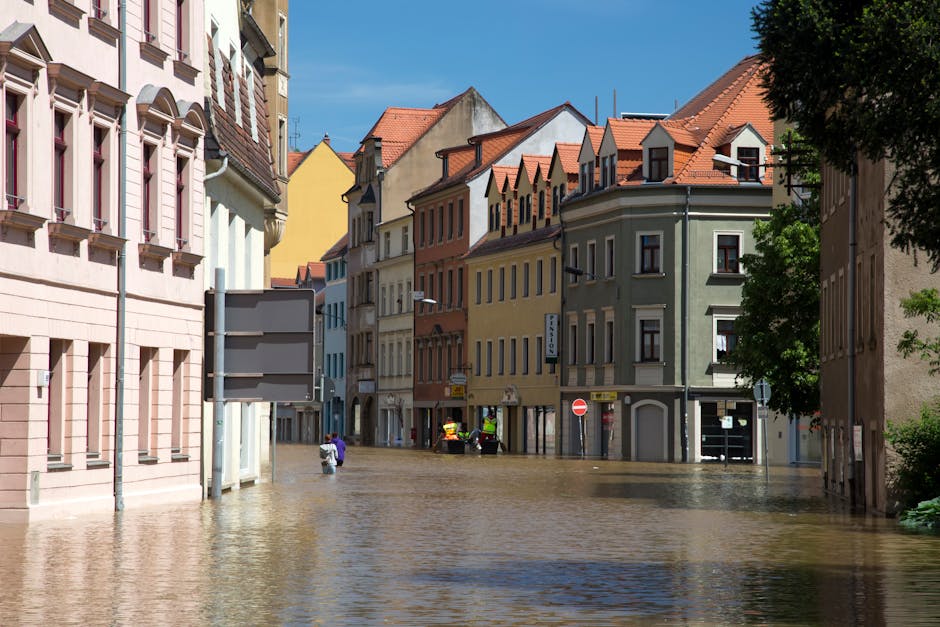
- Over 80,000 new homes have been built in high-risk flood areas in England since 2013, with many more in the pipeline.
- One in nine new homes in England are being built on land at risk of flooding, often entirely within planning rules.
- Flood-prone development poses significant risks to homeowners and the environment, including soil and waterway contamination.
- Developers have consistently pushed for more lenient planning rules, prioritizing new housing over flood risk concerns.
- A recent study by Aviva highlights the need for urgent action to address the issue of flood-prone development.
The sun rises over a new housing development, the sound of hammers and saws filling the air as workers scramble to meet deadlines. But amidst the excitement of new beginnings, a sense of unease settles over the landscape. For in the pursuit of progress, developers are increasingly building on land at risk of flooding, leaving homeowners to bear the cost. A recent study by Aviva found that one in nine new homes in England are being built on land at risk of flooding – often entirely within planning rules.
The Current State of Flood-Prone Development

Despite the obvious risks, the trend of building on flood-prone land shows no signs of slowing. In fact, the study revealed that over 80,000 new homes have been built in high-risk areas since 2013. This is not only a concern for homeowners but also for the environment, as floodwaters can contaminate soil and waterways, causing long-term damage. The recent study by Aviva highlights the need for urgent action to address this issue.
A History of Flood-Prone Development

The story behind the story is one of conflicting priorities and inadequate regulations. For decades, the push for new housing has taken precedence over concerns about flood risk. Developers have consistently lobbied for more lenient planning rules, arguing that stricter regulations would stifle growth and drive up costs. Meanwhile, homeowners have been left to navigate a complex web of flood risk assessments and insurance policies, often without full understanding of the dangers they face. The government’s own flood risk maps show that many areas of high risk are being developed, despite the warnings.
The Key Players in Flood-Prone Development

So who is shaping this trend, and what are their motivations? Developers are driven by the desire for profit, and the potential for high returns in the housing market is a powerful incentive. Local councils, under pressure to meet housing targets, often rubber-stamp development plans without fully considering the flood risk. And homeowners, eager to get on the property ladder, may be unaware of the dangers they face or feel that the benefits of homeownership outweigh the risks. The result is a system that allows developers to profit while homeowners bear the cost.
The Consequences of Flood-Prone Development

The consequences of this trend are far-reaching and devastating. Homeowners who buy properties in flood-prone areas may face significant financial losses, as well as the emotional trauma of dealing with flooded homes. The environment also suffers, as floodwaters can contaminate soil and waterways, causing long-term damage. And the economic costs of flooding are staggering, with the UK’s flood damage bill running into billions of pounds each year. The New York Times reports that the UK’s flooding problems are likely to worsen due to climate change.
The Bigger Picture
Why does this matter in a broader context? The trend of building on flood-prone land is a symptom of a larger problem – the prioritization of short-term gains over long-term sustainability. As the climate crisis deepens, the risks of flooding will only increase, making it more urgent than ever to address this issue. By understanding the complex web of factors that drive flood-prone development, we can begin to build a more resilient and sustainable future for all. The World Health Organization warns that flooding can have serious health consequences, including the spread of waterborne diseases.
In conclusion, the practice of building on land at risk of flooding is a pressing concern that demands attention and action. As we look to the future, it is essential that we prioritize sustainability and resilience over short-term gains. By working together to address this issue, we can create a safer, more sustainable future for homeowners and the environment alike. The time to act is now, before the next flood hits.
Source: The Guardian