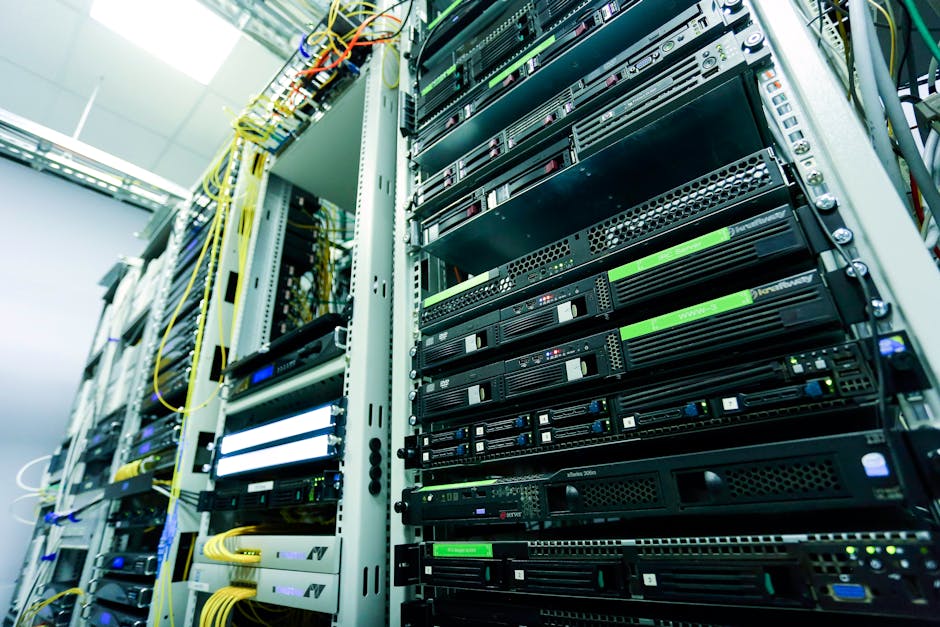
- Data centers in Nevada are siphoning power from California homes, particularly in South Lake Tahoe.
- The region’s power grid is buckling under the shift, leading to rolling blackouts during winter storms and wildfire season.
- Sierra Pacific Power Company has prioritized industrial customers, including Google, Amazon, and Switch data centers.
- Residents in El Dorado County, California, have experienced a 37% increase in unplanned outages over the past three years.
- The power grid restructuring has disproportionately affected local families, who face uncertainty and inconvenience.
At dawn in South Lake Tahoe, the air carries a crisp alpine chill, and pine trees cast long shadows over quiet streets. But inside homes, refrigerators hum uncertainly, thermostats flicker red, and backup generators rumble to life. For the 49,000 residents of this scenic California mountain town, the morning routine now includes checking utility alerts before turning on the coffee maker. The region’s power grid, once stable enough to support ski resorts, hospitals, and family homes, is buckling under a quiet but profound shift: electricity once destined for households is being rerouted to massive data centers across the state line in Nevada. These server farms, humming with the digital traffic of global tech giants, now take priority—even as local families face rolling blackouts during winter storms and wildfire season.
Power Shifts Across State Lines

The Sierra Pacific Power Company, a subsidiary of NV Energy, has quietly restructured its energy distribution to prioritize industrial customers in northern Nevada, where sprawling data centers operated by companies like Google, Amazon, and Switch operate around the clock. Despite serving only a fraction of the population, these facilities consume vast amounts of electricity—some single campuses drawing more power than entire cities. Meanwhile, residents in El Dorado County, California, have seen their reliability ratings drop, with unplanned outages increasing by 37% over the past three years. The utility cites infrastructure strain and economic incentives: long-term contracts with data centers guarantee stable revenue, unlike the fluctuating demands of seasonal tourism and residential use. Yet, California regulators argue the arrangement skirts state energy equity policies, as Nevada-based utilities are not bound by California’s strict environmental or consumer protection mandates.
The Roots of a Regional Divide

This imbalance didn’t emerge overnight. Since the early 2000s, Nevada has aggressively courted data center investment by offering tax breaks, low land costs, and access to deregulated energy markets. The state’s flat tax policy and business-friendly climate made it a magnet for tech infrastructure, especially in Reno and Sparks, just 50 miles east of Lake Tahoe. In contrast, California’s regulatory environment, while progressive on renewables, has led to higher energy costs and complex permitting processes. The two states share interconnected grids managed by the Western Area Power Administration, but contractual agreements allow Nevada-based utilities to allocate power based on economic priority rather than geographic proximity. When demand spikes in summer or winter, the system defaults to honoring industrial contracts, leaving border communities like South Lake Tahoe vulnerable. A 2021 Federal Energy Regulatory Commission (FERC) report noted that such cross-state energy disparities are becoming more common, particularly in regions straddling different regulatory zones.
The People Behind the Plug

On one side are utility executives and data center operators who argue that digital infrastructure is the backbone of the modern economy. “Every search, every cloud backup, every streaming minute requires energy,” said NV Energy spokesperson Laura Miller in a recent interview with Reuters. “We’re meeting contractual obligations that support tens of thousands of jobs.” On the other side are Tahoe residents like Maria Delgado, a nurse and mother of two, who endured 18 hours without power during a January freeze when her son’s asthma inhaler neared empty. “They’re choosing servers over sick kids,” she said at a town hall meeting in 2023. Local officials, including El Dorado County Supervisor Bonnie Weber, have called for federal intervention, warning that the erosion of residential energy security could set a dangerous precedent. “This isn’t just about Tahoe,” Weber stated. “It’s about who gets to power the future—and who gets left in the dark.”
Consequences for Communities and Climate

The ripple effects extend beyond inconvenience. Hospitals in the region now rely on diesel backups more frequently, increasing local emissions. Real estate values in Tahoe have softened as buyers reconsider the reliability of utilities in climate-vulnerable zones. Meanwhile, the environmental cost of powering data centers—many still partially reliant on fossil fuels—undermines California’s aggressive carbon neutrality goals. The contradiction is stark: while California pushes for green energy innovation, its neighboring grid decisions enable high-consumption facilities that delay the transition. A 2022 study by Nature Energy found that data centers account for 1-2% of global electricity use, a figure expected to double by 2030. As demand grows, so does the pressure on regional grids to make ethically fraught choices between economic growth and public welfare.
The Bigger Picture
What’s happening in Tahoe is not an anomaly but a preview of a broader conflict playing out across the American West. As artificial intelligence, cloud computing, and cryptocurrency mining drive exponential increases in energy consumption, the infrastructure built for the 20th century is being repurposed for 21st-century demands—with unequal consequences. The tension between digital progress and residential stability forces a reckoning: can we build a data-driven future without sacrificing the basic needs of communities? The answer may require new regulatory frameworks, cross-state energy compacts, and a redefinition of what constitutes essential power.
For now, Tahoe residents keep emergency kits by their doors and monitor utility apps like stock traders. The next storm could mean another blackout. But the larger storm—of policy, profit, and power—is just beginning. Solutions will require more than backup generators; they’ll demand a national conversation about fairness in the digital age.
Source: Ars Technica