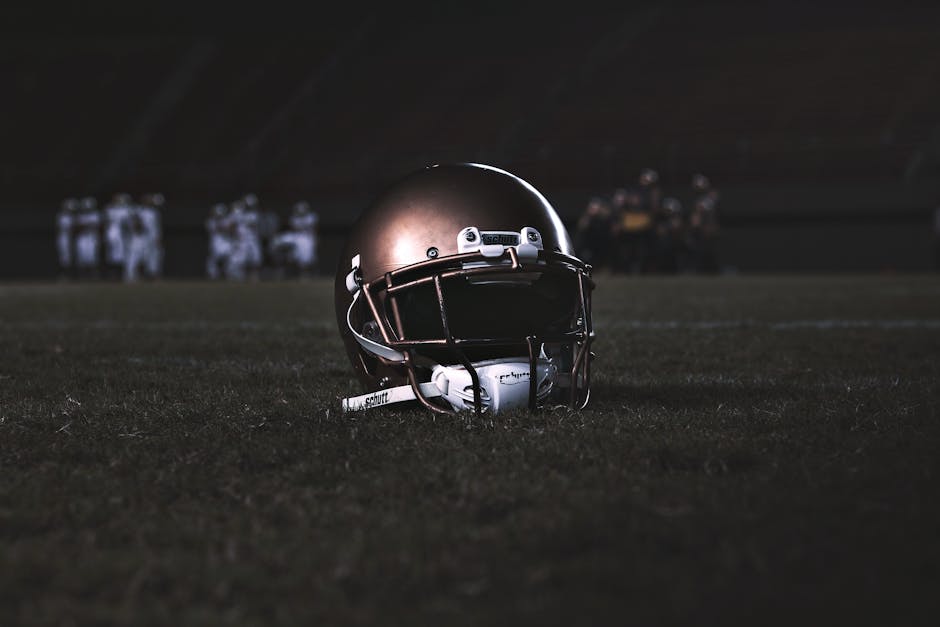
- A single season of American football can alter the balance of gut bacteria due to repeated head impacts.
- The study found a decline in beneficial bacterial taxa, including Akkermansia muciniphila and certain Bifidobacterium species.
- These bacteria are known for their anti-inflammatory properties and role in maintaining digestion and immunity.
- Head trauma can send ripple effects through the body, altering microbial communities essential to overall health.
- The study raises concerns about the long-term consequences of head trauma on athletes, military personnel, and others exposed to repetitive trauma.
Could playing just one season of American football change the bacteria living in your gut? A groundbreaking study published in Nature in May 2026 suggests that even mild, repeated head impacts—common in contact sports like football—can disrupt the delicate balance of the gut microbiome. This discovery raises urgent questions about the hidden, systemic consequences of head trauma, far beyond the brain. Scientists are now exploring how blows to the head might send biological ripple effects through the body, altering microbial communities essential to digestion, immunity, and even mental health. If head impacts can change our gut bacteria, what does that mean for athletes, military personnel, and others exposed to repetitive trauma?
Do Head Impacts Affect the Gut Microbiome?

The answer, according to emerging research, appears to be yes. The study tracked a cohort of college-level American football players over a single season, monitoring both the frequency and force of head impacts using sensor-equipped helmets and analyzing stool samples to assess changes in gut bacterial composition. Researchers found a consistent and statistically significant decline in the abundance of several beneficial bacterial taxa, including Akkermansia muciniphila and certain Bifidobacterium species, which are known for their anti-inflammatory properties and role in maintaining gut barrier integrity. These changes were not observed in a control group of non-contact athletes, suggesting a direct association with head trauma. Importantly, the head impacts measured were below the threshold for diagnosed concussions, indicating that even sub-concussive blows—long considered relatively harmless—may have systemic physiological consequences.
What Evidence Supports This Brain-Gut Connection?

The biological pathway linking head trauma to gut dysbiosis may involve the gut-brain axis, a complex bidirectional communication network between the central nervous system and the gastrointestinal tract. The study found elevated levels of inflammatory markers such as interleukin-6 (IL-6) and S100B, a protein associated with blood-brain barrier disruption, in players who experienced more frequent head impacts. These biomarkers correlated strongly with the observed shifts in microbiome composition. As Nature reports, the findings align with animal studies in which controlled head impacts led to rapid changes in gut permeability and microbial balance. Researchers also noted increased intestinal permeability—commonly referred to as “leaky gut”—in players by the end of the season, further supporting the hypothesis that neurological stress can compromise gut function. The consistency across human and animal models strengthens the case for a causal relationship.
Are There Alternative Explanations for These Changes?

While the evidence is compelling, some scientists urge caution in drawing definitive conclusions. Critics point out that football players experience numerous physiological and lifestyle changes during a season—intense physical training, altered sleep patterns, dietary shifts, and psychological stress—all of which can independently influence the gut microbiome. The study attempted to control for diet and exercise, but residual confounding factors may remain. Additionally, the sample size was relatively small, limited to one university team, and lacked diversity in age, sex, and sport type. Some microbiome experts argue that short-term fluctuations in bacterial abundance are normal and may not indicate lasting harm. Others suggest that the observed changes could be adaptive rather than pathological, possibly representing the body’s attempt to modulate inflammation in response to stress. More longitudinal research across different sports and populations is needed to isolate the specific impact of head trauma.
What Are the Real-World Health Implications?

If confirmed, these findings could have far-reaching consequences for athlete safety and long-term health. Chronic gut dysbiosis has been linked to a host of conditions, including inflammatory bowel disease, metabolic syndrome, depression, and neurodegenerative disorders like Alzheimer’s and Parkinson’s disease. Given that former football players show higher rates of such conditions, this study offers a potential biological mechanism connecting early-life head impacts to later health outcomes. Youth and amateur leagues may need to reevaluate contact practices, and medical monitoring could expand beyond cognitive testing to include biomarkers of gut and immune health. The research also opens new avenues for preventive strategies, such as probiotic supplementation or dietary interventions, to support microbiome resilience in at-risk individuals. This is not just about football—it could inform safety protocols in boxing, hockey, soccer, and military training.
What This Means For You
Even if you’re not an athlete, this research highlights the profound interconnectedness of the human body—how trauma in one system can reverberate through another. For parents, coaches, and sports organizations, it underscores the need to minimize repetitive head impacts, even in the absence of diagnosed concussions. For individuals with exposure to head trauma, monitoring gut health could become an important part of long-term wellness. While more research is needed, the message is clear: the body’s response to injury is systemic, not isolated.
Could protecting the brain also mean protecting the gut? And if so, might microbiome-targeted therapies one day become part of concussion recovery protocols? As science continues to unravel the complexities of the gut-brain axis, one thing is certain: our understanding of head trauma is no longer confined to the skull.
Source: Nature