- 12 out of 14 river bathing sites in England failed water quality tests due to high levels of bacteria.
- Pollution from sewage overflows and agricultural runoff remains a significant concern for water safety in English rivers.
- The Environment Agency monitors designated bathing waters and releases data on bacterial safety.
- England’s adoption of the EU Bathing Water Directive has not yet ensured compliance with minimum standards.
- Drastic environmental intervention may be necessary to support safe recreation in English rivers.
Can you still safely swim in England’s rivers? That’s the urgent question facing public health officials and outdoor enthusiasts after new water quality tests revealed dangerously high levels of bacteria linked to human and animal feces at 12 of the country’s 14 officially designated river bathing sites. Despite efforts to promote natural swimming areas as part of a nationwide green initiative, the findings suggest that pollution from sewage overflows and agricultural runoff continues to compromise water safety. As more locations are added to the bathing list, so too are concerns about whether rivers can truly support safe recreation without drastic environmental intervention.
What the Water Quality Tests Revealed

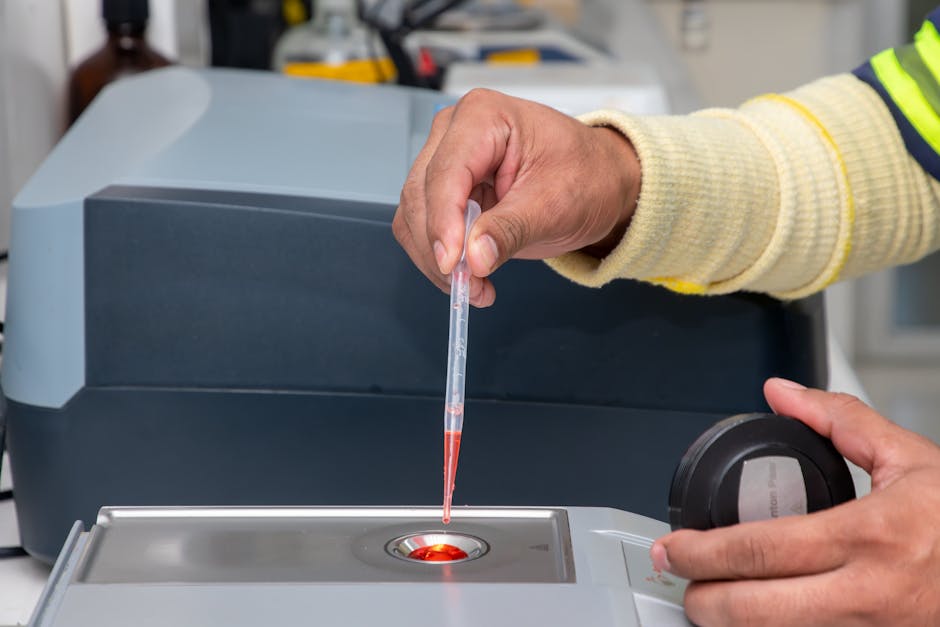
The Environment Agency, which monitors England’s designated bathing waters, released data showing that 12 of the 14 river sites failed to meet the European Union’s minimum standards for bacterial safety, specifically for Escherichia coli and intestinal enterococci—both indicators of fecal contamination. These bacteria originate from untreated sewage discharges and runoff from livestock farms, which enter waterways through storm overflows and drainage systems. Although England adopted the EU Bathing Water Directive into national law post-Brexit, compliance remains a challenge. The agency classifies bathing waters as ‘excellent’, ‘good’, ‘sufficient’, or ‘poor’ based on a four-year rolling average of summer samples. The majority of the river sites fell into the ‘poor’ category, triggering official advisories against swimming. While the government promotes river bathing as a way to reconnect people with nature, the data suggests that many of these sites are currently unfit for human contact.
Supporting Evidence from Environmental Agencies

Data from the Environment Agency’s 2023 bathing water report confirms that only two river locations—Priory Park in Maidstone and River Wharfe at Ilkley—achieved a ‘sufficient’ rating, the third-highest tier, while the remaining 12 were rated ‘poor’. At several sites, including the River Thames near Marlow and the River Trent in Nottingham, bacterial levels exceeded safe thresholds by more than tenfold during peak summer months. According to the official report, prolonged exposure to such waters increases the risk of gastrointestinal illness, skin infections, and ear or respiratory problems. Environmental campaign group Surfers Against Sewage has long criticized water companies for discharging untreated sewage into rivers, citing over 300,000 overflow events in 2022 alone. A spokesperson noted that “the data is not surprising, but it’s damning—our rivers are being used as open sewers.”
Counter-Perspectives: Are the Standards Too Strict?

Some experts argue that while the pollution problem is real, the bathing water standards may not fully reflect the actual risk to public health. Dr. Helen Baulch, a water quality researcher at the University of Saskatchewan, points out that bacterial counts can spike temporarily after heavy rainfall due to natural runoff, and that a single ‘poor’ classification doesn’t necessarily mean permanent danger. Others note that designated river bathing sites are still relatively new, and that ongoing monitoring and infrastructure upgrades—such as improved sewage treatment and wetland buffer zones—could eventually bring them into compliance. Water UK, which represents water companies, acknowledges the challenges but highlights £8 billion in planned investments to reduce storm overflow discharges by 2030. Critics, however, remain skeptical, arguing that voluntary targets and slow regulatory enforcement undermine progress. The debate centers on whether society should adapt standards for natural water bodies or demand stricter pollution controls to meet them.
Real-World Impact on Communities and Ecosystems

The contamination warnings have tangible consequences for local communities and ecosystems. In Looe, Cornwall, where a popular river bathing spot was downgraded to ‘poor’, tourism officials report that visitors are increasingly asking about water safety before swimming. Meanwhile, in urban areas like Bristol and Oxford, river clean-up volunteers have documented large amounts of plastic waste and sewage debris along banks, further deterring public use. Beyond human health, aquatic life suffers as nutrient pollution fuels algal blooms that deplete oxygen and kill fish. The River Thames, once declared biologically dead in the 1950s and later revived, now faces renewed threats. Conservationists warn that without systemic changes—such as stricter enforcement on farm runoff and faster upgrades to Victorian-era sewers—recreational river use may remain unsafe for years to come.
What This Means For You
If you’re planning to swim in an English river, check the latest Environment Agency ratings before entering the water. Avoid river bathing sites with ‘poor’ classifications, especially after heavy rain when bacterial levels spike. Consider using official beach or lake sites, which tend to have better monitoring and lower contamination. Support local campaigns pushing for cleaner rivers and hold elected officials accountable for infrastructure investments. While reconnecting with nature is valuable, it shouldn’t come at the cost of your health.
As England expands its network of designated river bathing sites, a critical question remains: Can rivers be both ecologically healthy and safe for recreation without a fundamental overhaul of water management? With climate change increasing storm intensity and urban development straining aging systems, the answer may depend less on monitoring and more on political will and public pressure to clean up the nation’s waterways.
Source: BBC