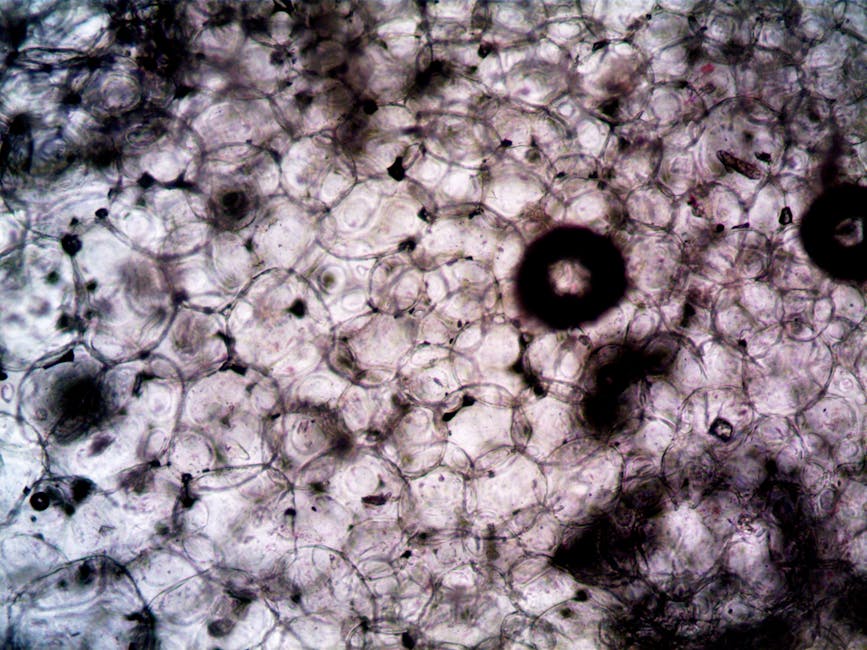
- A study reveals that blocking inflammation can lead to a 90% death rate in pancreatic tumor cells.
- Damaged mitochondria within cancer cells drive chronic inflammation, which tumors depend on to grow and evade cell death.
- Researchers discovered that malfunctioning mitochondria promote tumor survival in pancreatic cancer cells.
- A critical vulnerability in pancreatic cancer biology has been uncovered, opening a new front in therapy development.
- The study’s findings shift the understanding of pancreatic cancer biology and offer new hope for effective treatments.
- → Mitochondrial Damage Triggers a Lethal Inflammatory Cascade
- → Key Players: Cancer Cells, Immune Sensors, and Signaling Pathways
- → Therapeutic Trade-Offs: Targeting Inflammation Without Compromising Immunity
- → Why Now? Advances in Cancer Metabolism and Immune Signaling Converge
- → Where We Go From Here
Scientists have uncovered a previously unknown survival mechanism in pancreatic ductal adenocarcinoma (PDAC), one of the most aggressive and treatment-resistant cancers. Their study, published in the Proceedings of the National Academy of Sciences, reveals that damaged mitochondria within cancer cells release signals that drive chronic inflammation, which the tumors depend on to grow and evade cell death. When researchers blocked this inflammatory cascade, tumor cells died rapidly—uncovering a critical vulnerability. This discovery shifts the understanding of pancreatic cancer biology and opens a new front in the search for effective therapies against a disease with a five-year survival rate below 13%.
Mitochondrial Damage Triggers a Lethal Inflammatory Cascade

At the heart of the discovery is the role of malfunctioning mitochondria—the cell’s energy-producing organelles—in promoting tumor survival. The research team found that in pancreatic cancer cells, mitochondria are frequently depolarized and structurally impaired, leading to the accumulation of mitochondrial DNA (mtDNA) in the cytoplasm. This misplaced mtDNA activates the cGAS-STING pathway, a key component of the innate immune system typically involved in detecting viral or bacterial DNA. However, in this context, the pathway does not trigger immune destruction but instead induces a persistent inflammatory state that supports tumor growth. Experiments showed that when STING signaling was genetically or pharmacologically inhibited, up to 90% of cancer cells died within 72 hours, while healthy pancreatic cells remained unharmed. These results were consistent across multiple patient-derived cell lines and mouse models, underscoring the robustness of the mechanism. The data suggest that pancreatic tumors are not merely tolerating mitochondrial damage—they are actively exploiting it. The original study provides comprehensive molecular evidence linking organelle stress to pro-tumor inflammation, a paradigm shift in cancer metabolism research.
Key Players: Cancer Cells, Immune Sensors, and Signaling Pathways

The primary actors in this pathway are the cancer cells themselves, the cGAS enzyme, and the STING protein, which together form a signaling axis once thought to defend against infection but now implicated in tumor progression. Pancreatic tumors, known for their dense stromal environment and metabolic stress, create conditions where mitochondrial damage is inevitable due to hypoxia and nutrient deprivation. Yet, instead of succumbing to this stress, the cells repurpose it. The cGAS sensor detects leaked mtDNA and activates STING, which in turn drives the expression of NF-κB and interferon-stimulated genes—molecules associated with inflammation and cell survival. Researchers at NYU Grossman School of Medicine, who led the study, demonstrated that silencing either cGAS or STING in xenograft models significantly reduced tumor burden. Notably, immune cells within the tumor microenvironment did not appear to drive this effect; the inflammation was intrinsic to the cancer cells. This autonomous reliance on self-generated inflammation distinguishes PDAC from other cancers where immune crosstalk dominates STING activity. Pharmaceutical companies including AstraZeneca and Merck are already exploring STING inhibitors, though primarily for autoimmune conditions—this study suggests a powerful oncology application.
Therapeutic Trade-Offs: Targeting Inflammation Without Compromising Immunity

While blocking the cGAS-STING pathway offers a compelling strategy, it presents significant biological and clinical trade-offs. On one hand, suppressing this axis selectively kills pancreatic cancer cells in preclinical models and may enhance the efficacy of chemotherapy or immunotherapy. On the other, STING plays a crucial role in anti-tumor immunity when activated in dendritic cells and T cells—raising concerns that systemic inhibition could impair immune surveillance. The challenge lies in achieving tumor-specific modulation: ideally, inhibiting STING in cancer cells while preserving or even stimulating it in immune cells. One potential solution is the development of targeted delivery systems, such as nanoparticles or antibody-drug conjugates, that home in on tumor tissue. Alternatively, intermittent dosing might allow therapeutic effects while minimizing long-term immunosuppression. Another consideration is patient selection—tumors with high levels of mitochondrial dysfunction or mtDNA leakage may respond best, suggesting a biomarker-driven approach. Given the poor response of pancreatic cancer to existing immunotherapies, any strategy that tips the balance toward tumor cell death without exacerbating immune evasion is worth pursuing, but caution is warranted.
Why Now? Advances in Cancer Metabolism and Immune Signaling Converge

This discovery emerges at a time when the fields of cancer metabolism and tumor immunology are increasingly intersecting. Over the past decade, researchers have recognized that metabolic reprogramming is a hallmark of cancer, but the link between organelle dysfunction and immune signaling was poorly understood. Recent advances in single-cell sequencing, live imaging, and genetically engineered mouse models have made it possible to dissect these complex interactions in vivo. Moreover, the failure of broad STING agonists in clinical trials for other cancers has prompted a reevaluation of the pathway’s dual roles—context, timing, and cell type now appear to dictate whether STING activation helps or harms the tumor. The current study reframes mitochondrial damage not as a passive byproduct of stress but as an active driver of oncogenic signaling. Coupled with growing interest in targeting inflammation in cancer, these insights create a favorable environment for translating this finding into clinical applications.
Where We Go From Here
In the next 6 to 12 months, three scenarios could unfold. First, pharmaceutical and academic teams may launch preclinical programs to develop tumor-selective STING inhibitors or mtDNA-stabilizing agents. Second, retrospective analyses of patient tumors could identify biomarkers—such as cytoplasmic mtDNA or STING activation signatures—that predict response to pathway inhibition. Third, early-phase trials might repurpose existing STING modulators, originally developed for autoimmune diseases, in combination with chemotherapy for pancreatic cancer. Each path carries risks: off-target effects, lack of efficacy in heterogeneous tumors, or unforeseen toxicity. Yet the urgent need for breakthroughs in pancreatic cancer—where incidence is rising and treatment options remain limited—may accelerate cautious innovation. Collaborative efforts between cancer biologists, immunologists, and drug developers will be essential.
Bottom line — this study reveals that pancreatic cancer’s reliance on self-generated inflammation is not a side effect but a core survival strategy, offering a precise and potent target for therapy that could transform outcomes for a disease long defined by its resistance.
Source: Scitechdaily