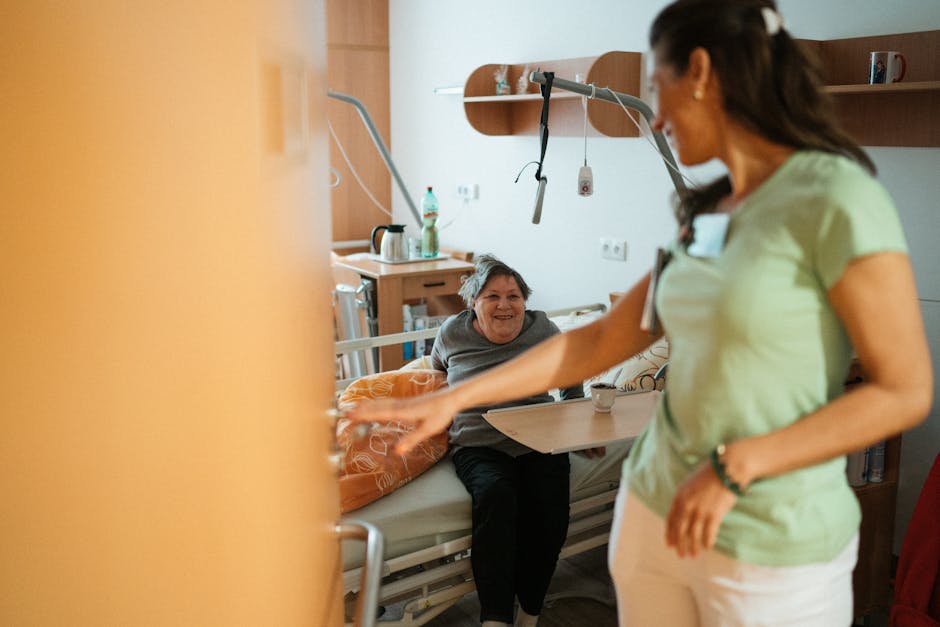
- Japan’s ‘compact cities’ concept prioritizes walkable urban zones with seniors living near healthcare and social hubs.
- Taiwan’s 10-Year Long-Term Care Plan invested $3.2 billion in home care, preventive services, and community centers.
- Both Japan and Taiwan treat aging as a societal design challenge, not a burden.
- Fujisawa SST, a smart town in Japan, features solar-powered homes and intergenerational co-living.
- Proactive community-based approaches have led to more effective elder care solutions in Japan and Taiwan.
What happens when a continent’s population begins to age faster than its systems can adapt? Europe faces a looming elder care crisis: by 2050, one in three Europeans will be over 60, yet infrastructure, workforce planning, and social models haven’t kept pace. For three years, I traveled across aging societies searching for answers, expecting to find high-tech fixes or breakthrough pharmaceuticals. Instead, the most effective solutions emerged not from labs, but from living rooms, schools, and housing blocks in Japan and Taiwan—places that had the political will and social imagination to plan decades ahead. The real question isn’t whether we can afford to replicate their models, but whether we can afford not to.
What Makes Japan and Taiwan’s Elder Care Systems Work?

The success of Japan and Taiwan lies in their proactive, community-based approaches to aging. Japan, where 29% of the population is over 65, pioneered the concept of “compact cities”—dense, walkable urban zones where seniors live near healthcare, shops, and social hubs. Fujisawa SST, a smart town outside Tokyo, exemplifies this: solar-powered homes, emergency alert sensors, and intergenerational co-living are standard. Meanwhile, Taiwan, facing a similar demographic shift, introduced its 10-Year Long-Term Care Plan in 2016, investing $3.2 billion to expand home care, preventive services, and community centers. Both nations treat aging not as a burden, but as a societal design challenge—one requiring policy foresight, public-private collaboration, and cultural shifts toward interdependence.
What Evidence Supports These Community-Led Models?

Studies confirm the impact. According to the World Health Organization global population aged 60+ will double to 2.1 billion by 2050, with Japan already serving as a bellwether. Research published in The Lancet found that Japanese seniors in integrated communities reported 34% lower rates of depression and 28% fewer hospitalizations. In Taiwan, the Ministry of Health reported a 40% increase in access to long-term care services within five years of the plan’s rollout. The Fujisawa model, managed by Panasonic and local government, now houses over 1,000 residents with 90% expressing high life satisfaction. These outcomes stem from deliberate policies: Japan mandates elder care training for urban planners; Taiwan funds university students to live with seniors, fostering mutual support. It’s not just about caregiving—it’s about redesigning social fabric.
Are There Critics of These Integrated Care Models?

Despite successes, skeptics highlight limitations. Some argue Japan’s system relies heavily on informal family caregiving, placing strain on women, who provide 70% of unpaid care. Urban models like Fujisawa are costly to replicate in rural areas, where depopulation is acute. In Taiwan, waitlists for home care persist despite expansion. Others warn against cultural exceptionalism—can Nordic individualism or Southern Europe’s fragmented family structures adopt East Asian collectivist models? Dr. Emily Wang, a gerontologist at National Taiwan University, cautions, “Our success depends on Confucian values of filial duty. Exporting the model requires adapting, not copying.” Additionally, privacy concerns arise with sensor-laden smart homes. While technology aids independence, it risks surveillance if not governed transparently. These are not flaws of the system, but challenges to navigate—not reasons to abandon the vision.
What Real-World Impact Are These Models Having?

The ripple effects are tangible. In Japan, cities like Yokohama have reduced public elder care costs by 18% through preventive, community-based programs. In Taiwan, Kaohsiung’s neighborhood care stations allow seniors to receive rehab, meals, and socialization within walking distance, cutting emergency admissions by a quarter. European cities are beginning to take note: Barcelona piloted a “grandparent school” linking retirees with immigrant families; Rotterdam tested student-senior co-housing inspired by Taipei’s “Harmony Apartments.” Even small shifts—like training shopkeepers to check on elderly customers—have improved early intervention rates. These aren’t futuristic experiments; they’re scalable, low-cost adaptations rooted in human connection. The lesson? The most powerful tools aren’t AI or robotics, but trust, routine, and proximity.
What This Means For You
If you’re planning for an aging parent—or imagining your own later years—these models suggest that quality care doesn’t require isolation in facilities, but integration into community life. Whether through policy advocacy, housing choices, or volunteering, individuals can push for environments where aging is supported, not stigmatized. The future of care isn’t just a government responsibility; it’s a collective design project.
Still, unanswered questions remain: Can Western democracies muster the long-term political commitment Japan showed in the 1990s? And how do we balance technological efficiency with human touch in care? The answers may not come from think tanks, but from a child helping a senior with homework in Fujisawa—and what we choose to build from that moment.
Source: The Guardian