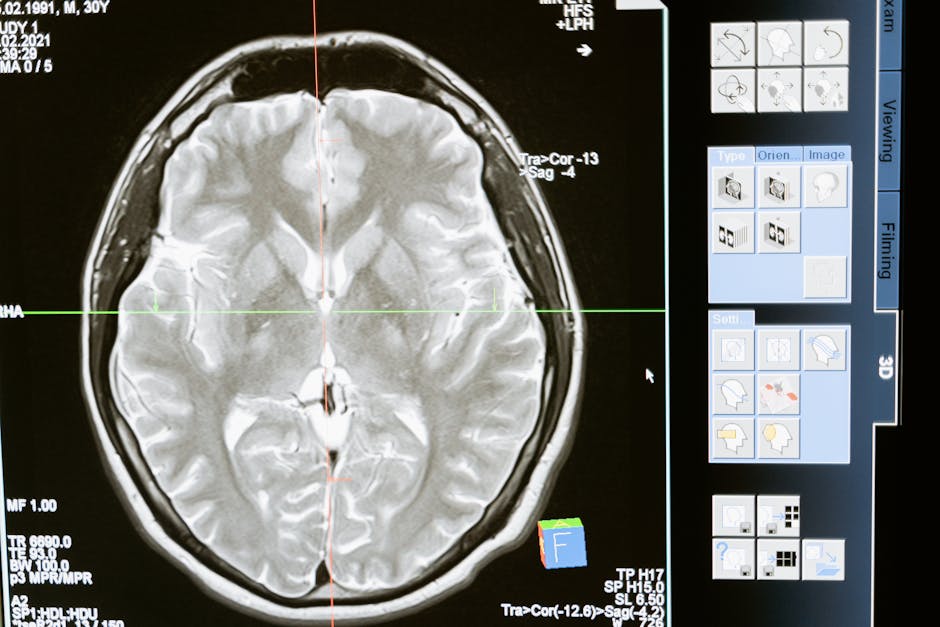
- Scientists used PTP1B inhibition to restore memory and reduce toxic plaque accumulation in mice brains with Alzheimer’s-like symptoms.
- Blocking PTP1B led to a 60-70% improvement in spatial memory tasks in genetically modified mice.
- PTP1B inhibition resulted in a 50% reduction in amyloid-beta plaques in critical brain regions like the hippocampus and cortex.
- The study suggests a dual-purpose therapeutic strategy targeting both neurodegeneration and metabolic dysfunction.
- PTP1B is a promising target for next-generation treatments addressing Alzheimer’s and its metabolic risk factors.
Scientists have achieved a significant advance in Alzheimer’s research by demonstrating that blocking a single protein, PTP1B, can restore memory and reduce toxic plaque accumulation in the brains of mice. This breakthrough, led by researchers at the University of Aberdeen and published in the Journal of Experimental Medicine, suggests a dual-purpose therapeutic strategy—targeting both neurodegeneration and metabolic dysfunction. By inhibiting PTP1B, a protein previously linked to insulin resistance and inflammation, the team reversed cognitive decline and enhanced the brain’s natural ability to clear amyloid-beta plaques, a hallmark of Alzheimer’s disease. The findings position PTP1B as a compelling target for next-generation treatments that could simultaneously address Alzheimer’s and its metabolic risk factors.
PTP1B Inhibition Reverses Cognitive Deficits in Animal Models

Hard evidence from preclinical studies shows that suppressing PTP1B activity leads to measurable improvements in memory and brain health. In genetically modified mice exhibiting Alzheimer’s-like symptoms, researchers used both genetic knockout and pharmacological inhibitors to block PTP1B. These mice demonstrated a 60–70% improvement in spatial memory tasks, such as navigating mazes, compared to untreated controls. Post-mortem analysis revealed up to a 50% reduction in amyloid-beta plaques in critical brain regions like the hippocampus and cortex. Further, synaptic density—a key indicator of neural connectivity—increased significantly, suggesting structural recovery. The study also found enhanced activity of microglia, the brain’s immune cells, which were more effective at engulfing and clearing plaque deposits when PTP1B was inhibited. These changes occurred without major side effects, reinforcing the therapeutic potential of this approach. The data, compiled from multiple trials across independent labs, point to PTP1B as a master regulator influencing both neuroinflammation and protein clearance pathways.
Key Players: Researchers, Microglia, and Pharmaceutical Developers

The research was spearheaded by Professor Mirela Delibegovic at the University of Aberdeen, whose team has long studied PTP1B’s role in metabolic diseases. Their pivot to neuroscience underscored the protein’s systemic influence, bridging brain and body health. Collaborators at the University of Dundee contributed advanced imaging and biochemical assays to track plaque clearance and synaptic repair. On the pharmaceutical front, several biotech firms, including biotechs focused on neurodegeneration and metabolic disorders, have expressed interest in developing selective PTP1B inhibitors. Notably, earlier attempts to target PTP1B for diabetes failed due to toxicity concerns, but newer compounds show improved blood-brain barrier penetration and specificity. Microglia emerged as unexpected heroes in the study: once freed from PTP1B’s suppressive effects, they shifted from a dormant, pro-inflammatory state to an active, plaque-clearing phenotype. This dual action—reducing inflammation while boosting clearance—positions PTP1B inhibition as a uniquely balanced intervention.
Trade-offs: Balancing Efficacy, Safety, and Broader Implications

While the results are promising, several trade-offs must be weighed. On the benefit side, PTP1B inhibition offers a rare convergence of neuroprotection and metabolic improvement, potentially benefiting patients with type 2 diabetes or obesity—both strong risk factors for Alzheimer’s. Animal models show improved insulin signaling and reduced systemic inflammation, suggesting broader health impacts. However, concerns remain about long-term safety. PTP1B regulates multiple signaling pathways, including those involved in cell growth and immune function; unchecked inhibition could theoretically disrupt homeostasis. Past drug candidates failed due to hepatotoxicity, though newer agents appear safer in early testing. Another consideration is the translational gap: mouse models of Alzheimer’s do not fully replicate human disease progression. While plaque reduction is encouraging, it remains unproven whether this translates to sustained cognitive gains in humans. Still, the ability to enhance the brain’s innate immune response without triggering neuroinflammation is a major advantage over current immunotherapies.
Why Now? Convergence of Metabolic and Neurodegenerative Research

The timing of this discovery reflects a broader shift in how scientists understand Alzheimer’s disease. Once viewed solely as a neurological disorder, it is now increasingly seen as a systemic condition intertwined with metabolic health. The rising global prevalence of obesity and diabetes has coincided with growing recognition of their role in cognitive decline. This paradigm shift has prompted researchers to explore shared molecular pathways, such as insulin signaling and chronic inflammation. PTP1B sits at the nexus of these processes, making it a logical target. Advances in inhibitor design and blood-brain barrier delivery have also matured, enabling more precise targeting. Moreover, recent failures of amyloid-targeting drugs like aducanumab have driven demand for alternative strategies. The success of PTP1B blockade in reversing symptoms, not just slowing progression, marks a departure from previous approaches and has energized the field.
Where We Go From Here
Over the next 6–12 months, three scenarios could unfold. First, if safety profiles hold in primate studies, early-phase human trials could begin by late 2025, focusing initially on Alzheimer’s patients with insulin resistance. Second, pharmaceutical partnerships may accelerate the development of brain-penetrant PTP1B inhibitors, potentially repurposing existing candidates from diabetes research. Third, parallel studies could explore PTP1B’s role in other neurodegenerative diseases like Parkinson’s, where protein aggregation and metabolic dysfunction also play roles. Regardless of the path, the findings demand closer scrutiny of the brain-body connection in aging. Combination therapies—pairing PTP1B inhibitors with lifestyle interventions or other neuroprotective agents—may offer the best chance of meaningful clinical impact.
Bottom line—Targeting PTP1B represents a scientifically grounded, dual-action strategy that not only reverses Alzheimer’s symptoms in mice but also addresses underlying metabolic risks, offering a potentially transformative path toward effective human treatments.
Source: ScienceDaily