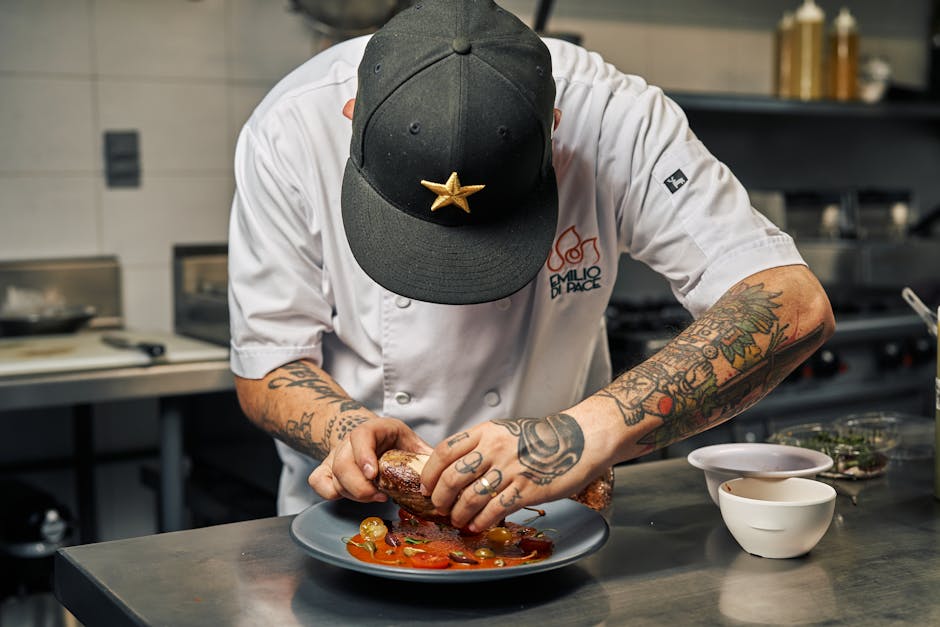
- Vape pairings are now offered at 22% of upscale restaurants in major cities, marking a new frontier in culinary science.
- A ‘vapeologist’ role has emerged, combining principles from oenology, perfumery, and molecular gastronomy to analyze e-liquids.
- Vaping is being rebranded as a sophisticated, ritualistic complement to fine dining, shifting cultural attitudes.
- Vapor pairings aim to enhance flavor transitions by not numbing the palate, unlike alcohol.
- Luxury hotels and Michelin-starred restaurants are now hiring certified vape sommeliers to lead this trend.
At a private tasting in Copenhagen last winter, guests dined on a seven-course menu where each dish was followed not by a digestif, but by a precisely calibrated puff of flavored vapor. A rich duck confit was paired with a smoky bourbon-infused vape, while a tart rhubarb sorbet met its match in a crisp green apple e-liquid. This wasn’t a marketing stunt—it was orchestrated by a certified vape sommelier, one of a growing cadre of flavor specialists now being quietly hired by Michelin-starred restaurants and luxury hotels from Tokyo to Milan. According to a 2026 survey by the Global Gastronomy Innovation Network, nearly 22% of high-end dining establishments in major urban centers have experimented with vapor pairings, signaling a bold new frontier where culinary artistry intersects with aerosolized flavor science.
The Rise of the Vapeologist

This phenomenon matters now because it reflects a broader cultural shift in how society engages with vaping—not as a nicotine delivery system, but as a sensory experience. Once stigmatized as a public health concern, vaping is being rebranded in select circles as a sophisticated, ritualistic complement to fine dining. Termed ‘vapeology,’ this niche discipline blends principles from oenology, perfumery, and molecular gastronomy to analyze the volatile organic compounds in e-liquids and match them to food profiles. Proponents argue that vapor, unlike alcohol, doesn’t numb the palate, allowing for clearer flavor transitions between courses. Yet the timing is delicate: as regulatory scrutiny intensifies globally, the normalization of vaping in elite spaces raises ethical and medical questions that go far beyond the dining table.
Inside the Vape Pairing Experience

Vape sommeliers, or ‘vapeologists,’ undergo intensive training programs offered by institutions like the Paris-based Institut de la Vape Gourmande, where candidates study flavor chemistry, inhalation safety, and sensory evaluation. These experts curate e-liquid pairings using a methodology akin to wine pairing—balancing sweetness, acidity, and body. At Noma’s pop-up in Singapore, diners were offered a ‘tropical umami’ vape—a blend of mango, coconut, and subtle soy notes—to accompany a fermented seafood dish. Meanwhile, in London, the restaurant Nebula offers a ‘vapor amuse-bouche,’ where guests inhale a lavender-and-citrus mist before the first course. The industry is still nascent, but companies like Vapoire and Aëra have launched premium, food-grade vape lines specifically for gastronomic use, often priced at over $80 per 10ml bottle.
Flavor Science Meets Health Concerns

The science behind flavor pairing suggests that olfactory stimulation can enhance taste perception, a principle well-documented in neurogastronomy research. However, introducing vaporized compounds—even those deemed food-safe in liquid form—into the lungs raises alarms. The U.S. Centers for Disease Control and Prevention (CDC) warns that inhalation bypasses the digestive system’s natural filters, potentially allowing harmful substances to enter the bloodstream directly. Diacetyl, a chemical once used in butter-flavored e-liquids and linked to ‘popcorn lung,’ has been banned in many countries, but regulatory gaps remain, especially for exotic flavorants. While current culinary vapes claim to use only GRAS (Generally Recognized As Safe) ingredients, experts stress that ‘safe to eat’ does not mean ‘safe to inhale.’
Who Benefits—and Who’s at Risk?

The immediate beneficiaries are high-end restaurants seeking differentiation and affluent diners craving novelty. For the vaping industry, this trend offers a chance to reposition itself as premium and lifestyle-oriented, distancing from its association with youth use and addiction. Yet public health advocates worry about normalization. The World Health Organization has cautioned that glamorizing vaping—even in controlled settings—could erode anti-smoking progress, particularly among younger demographics exposed via social media. Moreover, staff in restaurants offering vape pairings may face prolonged secondhand exposure, an area with limited long-term research. The implications extend beyond gastronomy: if vapor becomes a socially accepted sensory medium, it may influence regulation, insurance policies, and even workplace norms.
Expert Perspectives
Dr. Lena Moreau, a neurologist at the Pitié-Salpêtrière Hospital in Paris, supports controlled sensory experimentation, stating, ‘When decoupled from nicotine and used sparingly, vapor can be a tool for exploring flavor perception.’ In contrast, Dr. Raj Patel of the CDC’s Tobacco Division warns, ‘We’re seeing a dangerous conflation of culinary innovation with unregulated inhalation. The lungs aren’t designed to process flavor aerosols, no matter how refined.’ The debate centers on whether this trend represents harmless indulgence or a slippery slope toward broader societal acceptance of inhalable products with poorly understood long-term effects.
As the 2026 Global Food Trends Report notes, ‘sensory dining’ is one of the fastest-growing luxury segments. Yet whether vape pairings endure—or fade as a controversial fad—depends on both consumer demand and regulatory response. With the European Food Safety Authority preparing new guidelines on inhalable flavorants, the coming year may determine if vape sommeliers are the future of fine dining or a cautionary tale of innovation outpacing public health.
Source: The Guardian