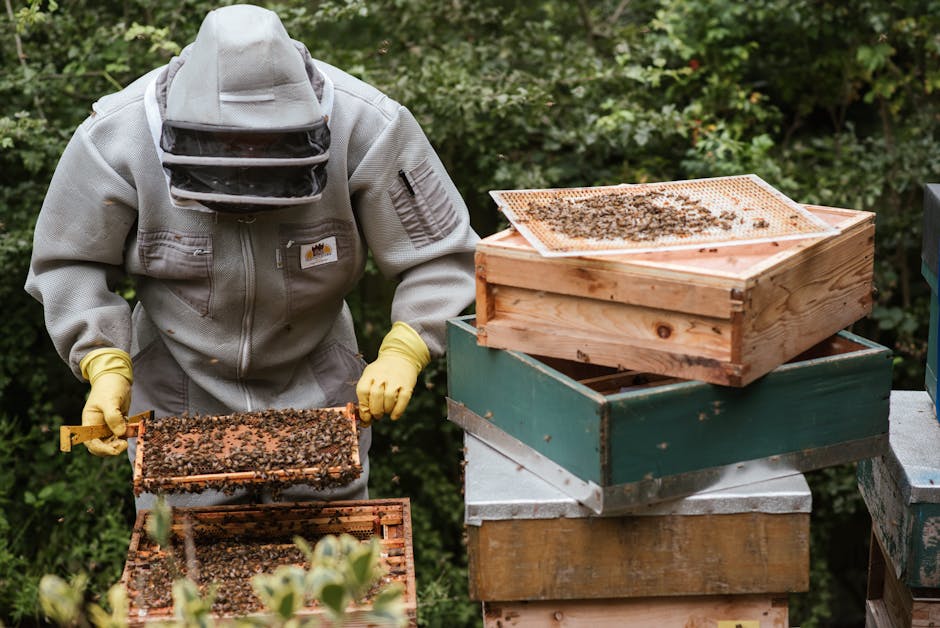
- Beekeeping has been shown to have a positive impact on mental health, particularly in reducing symptoms of anxiety and depression.
- Spending time in nature and engaging in activities that promote calm can have a therapeutic effect on mental well-being.
- Beekeeping provides an opportunity to connect with nature, find purpose, and build confidence.
- The hobby has become an important part of many people’s lives, with over 170,000 people keeping bees in the UK alone.
- Beekeeping can be a therapeutic activity for young people, helping them cope with mental health challenges.
Executive summary: Beekeeping has become an unlikely therapeutic activity for many young people, including Jenson, 17, who credits it with helping him clear his mind and get better headspace. After four years of learning at home, Jenson returned to school, thanks in part to the sense of calm and purpose he derived from beekeeping. This unconventional hobby has been shown to have a positive impact on mental health, and Jenson’s story is a testament to its benefits.
The Therapeutic Benefits of Beekeeping

Hard data and research have long supported the idea that spending time in nature and engaging in activities that promote a sense of calm can have a positive impact on mental health. According to a study published on nature.com, spending time outdoors can reduce symptoms of anxiety and depression. For Jenson, beekeeping provided an opportunity to connect with nature and find a sense of purpose, which in turn helped him feel more confident and prepared to return to school. With over 170,000 people keeping bees in the UK alone, it is clear that this hobby has become an important part of many people’s lives.
The Key Players: Beekeepers and Mental Health Professionals

Key actors, such as beekeepers and mental health professionals, have been working together to promote the therapeutic benefits of beekeeping. Organizations like the World Health Organization have recognized the importance of mental health and the need for innovative approaches to support young people. Beekeeping has been identified as one such approach, with many schools and community groups now offering beekeeping programs as a way to promote mental wellbeing. Jenson’s story highlights the importance of collaboration between beekeepers, mental health professionals, and educators in supporting young people’s mental health.
The Trade-Offs: Balancing Risks and Benefits

While beekeeping can have numerous benefits for mental health, there are also risks involved, such as the potential for bee stings and allergies. However, for Jenson, the benefits far outweighed the risks, and he found that the sense of accomplishment and pride he derived from beekeeping helped him develop greater resilience and confidence. As with any activity, it is essential to weigh the costs and benefits and take necessary precautions to minimize risks. In Jenson’s case, the support of his family and beekeeping community helped him navigate any challenges and ensure a positive experience.
The Timing: Why Beekeeping is Gaining Popularity Now

The rise of beekeeping as a therapeutic activity can be attributed to a growing recognition of the importance of mental health and wellbeing. With increasing pressure on young people to perform academically and socially, activities like beekeeping offer a much-needed respite and opportunity for self-care. As Jenson’s story demonstrates, beekeeping can be a powerful tool for building confidence and promoting mental health, and its popularity is likely to continue growing as more people seek out innovative approaches to wellbeing. The current emphasis on mental health awareness and support has created a fertile ground for activities like beekeeping to flourish.
Where We Go From Here
Looking ahead to the next 6-12 months, there are several possible scenarios for the growth of beekeeping as a therapeutic activity. One potential scenario is that beekeeping will become increasingly integrated into school curricula and mental health programs, providing more young people with access to this beneficial activity. Another scenario is that beekeeping communities will continue to expand, offering a sense of belonging and support for individuals like Jenson. A third scenario is that research will further uncover the therapeutic benefits of beekeeping, leading to greater recognition and adoption of this activity as a tool for promoting mental health.
Bottom line: Jenson’s story serves as a powerful reminder of the potential for unconventional activities like beekeeping to have a profound impact on mental health and wellbeing, and its benefits are likely to be felt for years to come.
Source: BBC