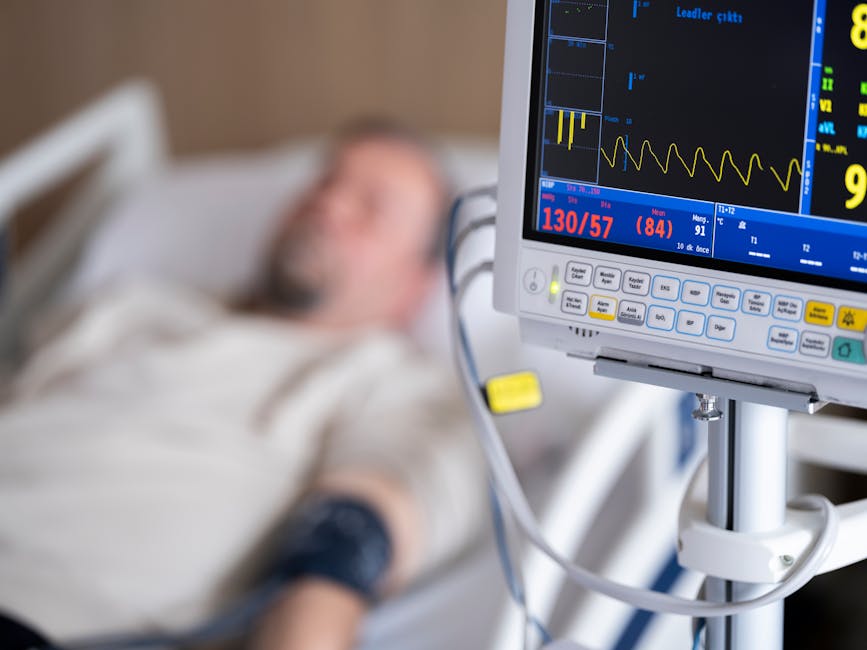
- Heart attack survivors have a 30% higher risk of developing cognitive impairment compared to those with no history of cardiac events.
- Cognitive decline accelerates faster in heart attack patients, with memory and attention being the hardest-hit cognitive domains.
- Age, education, hypertension, diabetes, and smoking status can influence the risk of cognitive impairment after a heart attack.
- Early detection and treatment of cognitive issues after a heart attack may help mitigate long-term brain health decline.
- Research suggests a strong link between heart health and brain health, with cardiac events potentially accelerating cognitive decline.
On a quiet morning in a Toronto memory clinic, James Whitmore, 68, sat gripping a pen too tightly, struggling to recall the name of his high school. A retired engineer with a lifetime of precise calculations, he now fumbled simple word lists and grew frustrated during routine cognitive tests. Just two years after surviving a severe heart attack, Whitmore noticed subtle but persistent changes—forgetting appointments, misplacing keys, losing his train of thought mid-sentence. He is not alone. A growing body of evidence, now solidified by a major study published in Stroke, reveals that the heart and mind are more entwined than previously understood: surviving a heart attack may come at the cost of long-term brain health, accelerating declines in memory, attention, and executive function in ways that can reshape lives.
Cognitive Decline Accelerates After Heart Attack

According to the study, which followed over 7,500 participants for up to 12 years, individuals who had experienced a heart attack faced a 30% higher risk of developing cognitive impairment compared to those with no history of cardiac events. Researchers tracked changes using standardized neuropsychological assessments measuring memory, processing speed, and executive function. The data showed that post-heart attack patients declined significantly faster on all cognitive domains, with memory and attention hit hardest. Even after adjusting for age, education, hypertension, diabetes, and stroke history, the association remained robust. Notably, the decline began well before any clinical diagnosis of dementia, suggesting a silent erosion of brain function that often goes undetected in routine care. The researchers emphasize that these changes are not merely a consequence of aging but are directly linked to the physiological aftermath of cardiac ischemia.
How Cardiovascular Health Shapes Brain Function

The connection between heart attacks and cognitive decline has been suspected for decades, but the mechanisms are only now being clarified. When a heart attack occurs, blood flow to the heart muscle is blocked, often due to atherosclerotic plaque rupture. This event doesn’t just damage the heart—it triggers systemic inflammation, endothelial dysfunction, and reduced cerebral perfusion. Over time, these factors contribute to white matter lesions, microinfarcts, and neurodegeneration in the brain. Autopsy studies have shown that many individuals with a history of heart disease exhibit signs of vascular dementia or Alzheimer’s pathology, even without overt neurological symptoms. The Stroke study builds on earlier findings from the Framingham Heart Study and the ARIC (Atherosclerosis Risk in Communities) cohort, which first identified cardiovascular risk factors as predictors of later-life cognitive impairment. What’s new is the longitudinal confirmation that the heart attack itself acts as a catalyst, accelerating decline across diverse populations.
The Patients and Researchers Behind the Findings

The study was led by Dr. Erica C. Camargo, a neurologist and epidemiologist at Boston University School of Medicine, whose work focuses on the intersection of vascular disease and brain aging. Her team analyzed data from the Whitehall II study, a decades-long investigation of British civil servants, allowing for detailed tracking of health outcomes over time. Participants underwent repeated cognitive assessments and medical evaluations, providing a rare depth of longitudinal insight. Dr. Camargo’s motivation stems from clinical observation: “We kept seeing patients who did well after a heart attack—medically stabilized, back to work—yet they’d return months later saying they couldn’t focus or remember names. We needed hard data to validate their experiences.” For survivors like James Whitmore, the findings bring both validation and urgency. “I thought I was just getting old,” he said. “Now I know it might be something I can prepare for, maybe even slow down.”
Implications for Patients and Healthcare Systems

The results suggest that heart attack survivors should be routinely screened for cognitive changes, not just monitored for cardiac recurrence. Early detection could allow for interventions such as cognitive rehabilitation, aggressive management of vascular risk factors, or lifestyle modifications like structured exercise and Mediterranean diets, which have shown protective effects in trials. For healthcare providers, the study underscores the need for integrated care models that bridge cardiology and neurology. Insurance systems and public health policies may also need to adapt, recognizing cognitive decline as a common post-event complication. Furthermore, the findings could influence how patients are counseled after discharge—discussions that now focus heavily on medication adherence and physical recovery may need to expand to include brain health.
The Bigger Picture
This research is part of a broader shift in medicine: the recognition that organ systems do not operate in isolation. The heart, long seen as a mechanical pump, is now understood as a central player in systemic health, influencing everything from kidney function to mental acuity. As life expectancy increases and more people survive acute cardiac events, the long-term neurological consequences demand attention. Preventing heart attacks remains the best strategy, but for those who survive, protecting the brain must become a parallel priority. The mind, after all, is not spared when the heart falters.
What comes next may involve redefining recovery after a heart attack—not just as a return to physical stability, but as an ongoing effort to preserve cognitive vitality. Future studies will explore whether early interventions, such as anticoagulants, statins, or cognitive training, can mitigate decline. For now, the message is clear: the brain remembers every heartbeat, and every interruption leaves a trace.
Source: MedicalXpress