- A shootout between law enforcement and Senate security forces exposed deep-seated political rifts in the Philippines.
- Senator Leila de Lima’s attempted arrest sparked concerns about the independence of the judiciary and democratic institutions.
- The Duterte administration’s war on drugs is under investigation by the International Criminal Court for potential crimes against humanity.
- De Lima’s political persecution began in 2017 and has been widely documented by human rights groups.
- The incident highlights the fragility of democratic institutions in Southeast Asia’s third-largest democracy.
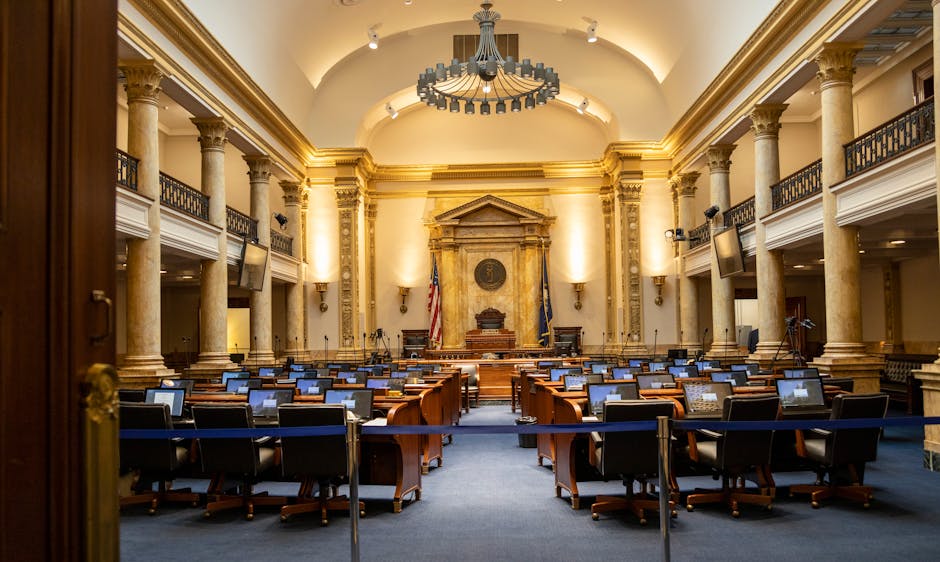
A gunfire-filled showdown inside the Philippine Senate building on Wednesday sent shockwaves across the nation, as armed agents attempted to arrest Senator Leila de Lima, a prominent critic of former President Rodrigo Duterte, on charges linked to crimes against humanity. Eyewitnesses reported at least a dozen shots fired near the session hall, with Senate security forces exchanging fire with law enforcement operatives. No fatalities were reported, but two officers sustained non-life-threatening injuries. The confrontation, captured in shaky cellphone footage that quickly went viral, marked a rare breach of the legislative chamber’s sanctity and raised urgent questions about the independence of the judiciary, political vendettas, and the fragility of democratic institutions in Southeast Asia’s third-largest democracy.
Why This Senate Standoff Matters Now

The attempted arrest of Senator de Lima comes amid growing domestic and international scrutiny over the Duterte administration’s war on drugs, which the International Criminal Court (ICC) is investigating for potential crimes against humanity. De Lima, a former justice secretary and human rights advocate, has been a leading voice in calling for accountability, accusing Duterte of orchestrating thousands of extrajudicial killings. Her political persecution, widely documented by groups like Human Rights Watch and Amnesty International, began in 2017 when she was jailed on drug charges later deemed politically motivated. Although acquitted on two counts in 2023, she remains under indictment on a third charge. The Senate, where she continues to serve, granted her parliamentary immunity, complicating law enforcement actions. The botched operation inside the Senate chamber thus represents not just a security failure, but a constitutional crisis over the balance of powers and the rule of law.
Inside the Armed Confrontation

According to official reports from the Philippine National Police (PNP), a warrant team backed by anti-organized crime units entered the Senate complex in Manila under orders from the Department of Justice to serve an arrest warrant on Senator de Lima. However, Senate Sergeant-at-Arms personnel blocked their advance, citing constitutional protections under Article VI, Section 11 of the Philippine Constitution, which grants legislators immunity from arrest during sessions except for certain grave offenses. When the agents refused to withdraw, a physical scuffle escalated into gunfire after an officer allegedly drew his weapon. Senate security responded with force, leading to a brief but intense exchange. A Senate aide told Reuters that “senators were ushered into emergency chambers, and the building was locked down within minutes.” The PNP later stated the operation was “miscommunicated” and not authorized at that time, sparking speculation of rogue elements or political manipulation.
Roots of the Crisis: Politics, Power, and Accountability

The standoff is symptomatic of deeper political fault lines that have plagued the Philippines for years. Senator de Lima’s case has long been viewed as a litmus test for judicial independence. Her initial arrest followed her public allegations that Duterte, while mayor of Davao, ran a death squad responsible for hundreds of killings. Since then, multiple witnesses have recanted testimonies, claiming coercion by prosecutors. The UN High Commissioner for Human Rights has repeatedly called for her release, labeling her detention “judicial harassment.” The attempted arrest inside the Senate suggests a dangerous erosion of institutional norms, with law enforcement acting without clear inter-branch coordination. Experts warn that such incidents could embolden authoritarian tendencies. “When the legislature becomes a battlefield, democracy itself is under siege,” said Julio Teehankee, a political science professor at De La Salle University, in a BBC interview.
Who Is Affected by the Senate Breach?

The implications of the Senate shootout extend far beyond one politician’s fate. It threatens the separation of powers essential to Philippine democracy, potentially chilling legislative dissent. Other opposition lawmakers reported feeling unsafe, with some calling for increased security and Senate-led investigations. Civil society organizations have condemned the use of force in a legislative space, warning of a precedent where political opponents can be targeted under the guise of law enforcement. Internationally, the incident may impact foreign relations, particularly with allies concerned about human rights and democratic backsliding. The United States and European Union have previously expressed concern over de Lima’s detention. Moreover, the chaos undermines public trust in governance, with recent Social Weather Stations polls showing a 17% drop in confidence in the justice system since 2022.
Expert Perspectives
Legal and political analysts are divided on the long-term consequences. Some, like constitutionalist Chel Diokno, argue the incident reveals “a state capture where the justice system serves political masters.” Others, including government-aligned commentators, claim de Lima’s refusal to surrender undermines the rule of law. However, most agree the use of force inside Congress was unjustifiable. “Parliamentary immunity exists to protect debate, not criminals,” said University of the Philippines law professor Melissa Canda, “but due process must be respected—no arrests at gunpoint in the Senate.” International observers from the ASEAN Intergovernmental Commission on Human Rights have called for an independent inquiry, though the Philippines has yet to respond.
Looking ahead, the crisis raises urgent questions: Will the Department of Justice pursue disciplinary action against the officers involved? Can the Senate assert its autonomy without escalating tensions? And will the ICC’s ongoing investigation into Duterte’s drug war gain momentum in light of these events? With national elections on the horizon, the de Lima case—and the violent attempt to arrest her—may become a defining issue. As the Philippines grapples with the fallout, the world is watching to see whether its democratic institutions can withstand the pressure.
Source: Cebudailynews