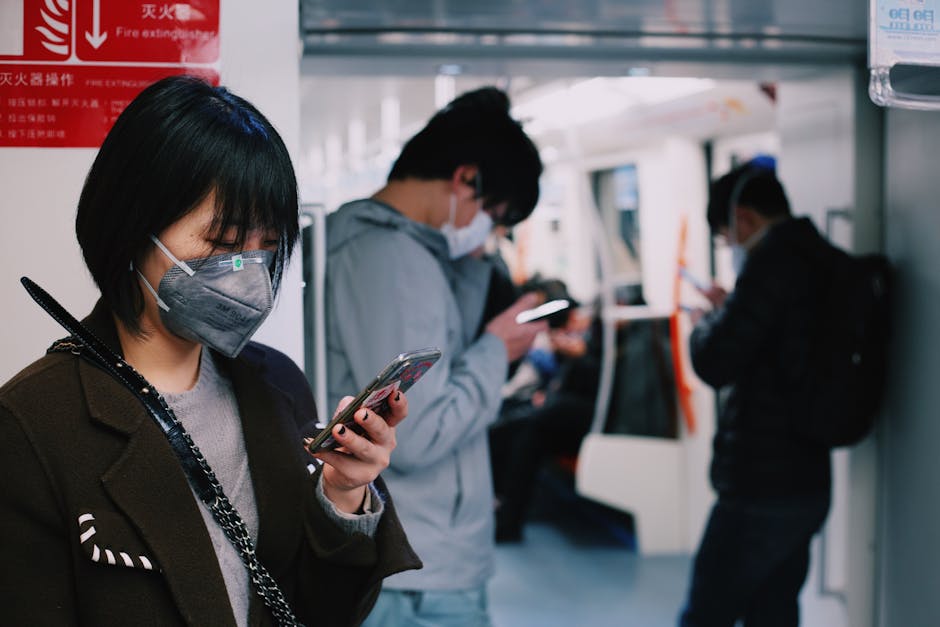
- China imposes strict digital lockdown on visitors, confiscating personal phones and devices to prevent security breaches and leaks.
- The digital lockdown protocols in place for US diplomats in China are among the strictest in the world, with regular sweeps and monitoring of secure devices.
- Personal phones and devices are confiscated upon arrival, and diplomats are only allowed to use secure, government-issued phones and computers.
- China’s sophisticated cyber espionage capabilities are a major concern for the US, prompting the implementation of strict digital lockdown protocols.
- The digital lockdown is aimed at preventing the leak of sensitive information, including classified data and intellectual property.
The streets of Beijing were abuzz with the sound of sirens and the hum of black SUVs as the US delegation, led by former President Donald Trump, arrived in the Chinese capital. But amidst the pomp and circumstance, a different kind of protocol was underway – one that involved the strict confiscation of personal phones and devices from the US diplomats. The move is part of China’s rigorous digital lockdown, aimed at preventing any potential security breaches or leaks of sensitive information. As the US delegation stepped out of their vehicles, they were greeted by Chinese officials who promptly collected their personal devices, leaving them with only secure, government-issued phones for the duration of their stay.
Current Digital Lockdown Protocols

The current digital lockdown protocols in place for US diplomats in China are among the strictest in the world. All personal phones, laptops, and other devices are confiscated upon arrival, and diplomats are only allowed to use secure, encrypted phones and computers provided by the US government. Even these devices are subject to regular sweeps and monitoring to ensure that they have not been compromised. The protocols are in place to prevent China’s sophisticated cyber espionage capabilities from gaining access to sensitive US information. According to a report by Reuters, the US government has long been aware of China’s capabilities and has taken steps to mitigate the risks. The report highlights the importance of securing US diplomatic communications, particularly in countries with a history of cyber espionage.
History Of Digital Espionage

The story behind China’s digital lockdown protocols is one of a long history of cyber espionage and surveillance. For decades, China has been accused of engaging in widespread hacking and surveillance of foreign governments and corporations. The US has been a particular target, with numerous high-profile breaches and leaks of sensitive information. In response, the US government has implemented increasingly strict protocols to protect its communications and data. The current digital lockdown protocols are just the latest iteration of these efforts, and reflect the growing concern about China’s cyber capabilities. As noted by BBC, China’s cyber espionage efforts have become a major point of contention in US-China relations.
Key Players And Motivations

So who is shaping this digital lockdown, and what are their motivations? On the US side, the key players are the diplomats and officials who are responsible for implementing and enforcing the protocols. These individuals are motivated by a desire to protect US national security and prevent any potential breaches or leaks of sensitive information. On the Chinese side, the key players are the government officials and security agencies who are responsible for enforcing the digital lockdown and monitoring the activities of US diplomats. Their motivations are less clear, but it is likely that they are driven by a desire to gain access to sensitive US information and to prevent any potential threats to Chinese national security. According to The New York Times, the Chinese government has been increasingly aggressive in its pursuit of foreign intelligence.
Consequences For US Diplomats

So what does this mean for US diplomats on the ground in China? The consequences are significant, and reflect the growing tensions between the US and China. Without access to their personal devices, US diplomats are forced to rely on secure, government-issued phones and computers, which can be cumbersome and limiting. They are also subject to regular monitoring and surveillance, which can make it difficult to conduct sensitive or confidential business. Perhaps most significantly, the digital lockdown protocols reflect the growing distrust and suspicion between the US and China, and highlight the challenges of conducting diplomacy in a hostile and increasingly digital environment. As reported by The Guardian, the digital lockdown has significant implications for US-China relations.
The Bigger Picture
The digital lockdown protocols in place for US diplomats in China are just one part of a much larger story about the growing tensions between the US and China. As the two countries compete for influence and power on the global stage, the stakes are increasingly high, and the risks of conflict or miscalculation are growing. The digital lockdown protocols reflect this new reality, and highlight the need for the US and China to find new ways to communicate and cooperate in a rapidly changing and increasingly digital world. According to AP News, the US and China are engaged in a complex and multifaceted competition that spans multiple domains.
As the US delegation completes its visit to China and prepares to return home, the digital lockdown protocols will remain in place, a reminder of the challenges and risks of conducting diplomacy in a hostile and increasingly digital environment. What comes next is unclear, but one thing is certain – the US and China will continue to navigate a complex and rapidly changing landscape, where the stakes are high and the risks of conflict or miscalculation are growing. The digital lockdown protocols are just one part of this story, but they reflect the growing tensions and suspicions between the US and China, and highlight the need for new ways to communicate and cooperate in a rapidly changing world.
Source: Ibtimes