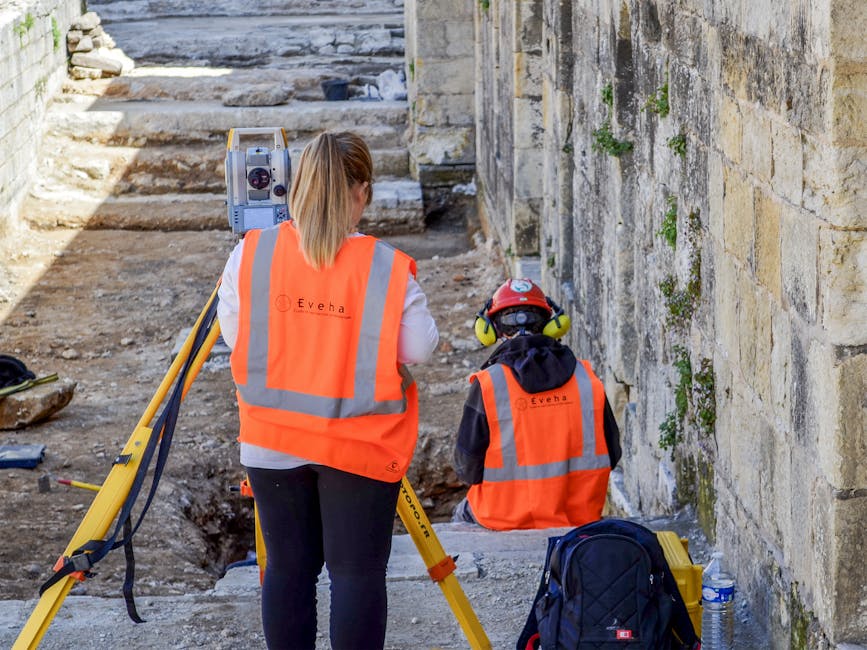
- Archaeologists in Wolder, Netherlands, may have unearthed the remains of Count d’Artagnan from Alexandre Dumas’s ‘The Three Musketeers’.
- The discovery has put the small Dutch village in the spotlight, attracting international attention.
- The skeleton was found in a church during an excavation, sparking speculation about its significance.
- The real-life inspiration for Count d’Artagnan was a French musketeer named Charles de Batz-Castelmore d’Artagnan.
- Experts are weighing the evidence to determine whether the skeleton is indeed that of the legendary character.
As archaeologists and historians continue to unravel the mysteries of the past, one question has been on the minds of many in the small Dutch village of Wolder: could the skeleton recently unearthed in a local church be the remains of the legendary Count d’Artagnan, the iconic character from Alexandre Dumas’s The Three Musketeers? The village, situated near the Belgian border, is abuzz with excitement as it waits to see if the skeleton is indeed that of the fourth musketeer. With the discovery, the village of Wolder has been thrust into the spotlight, attracting attention from around the world.
Uncovering the Past: The Discovery of the Skeleton

The discovery of the skeleton was made during a recent excavation in the church, which has been the subject of much speculation and intrigue. According to local officials, the skeleton was found in a location that suggests it could be the final resting place of a person of significant importance. While the identity of the skeleton has not been confirmed, the village is hopeful that it could be the remains of Count d’Artagnan, a character who has captured the imagination of people around the world. The real-life inspiration for the character, Charles de Batz-Castelmore d’Artagnan, was a French musketeer who lived in the 17th century.
Evidence and Expert Opinion: Weighing the Possibilities

As experts begin to analyze the skeleton, they are considering various factors, including the location of the discovery, the condition of the remains, and any potential artifacts found nearby. According to historical records, Count d’Artagnan died in 1673 during a siege in the Dutch city of Maastricht, which is not far from Wolder. While this does not necessarily confirm the identity of the skeleton, it does suggest that it is possible. Dr. Maria Rodriguez, a historian from the University of Leiden, notes that “the discovery of the skeleton is a significant find, and we are eager to learn more about the identity of the individual and their place in history.”
Alternative Perspectives: A Healthy Dose of Skepticism

Not everyone is convinced that the skeleton is that of Count d’Artagnan, and some have expressed skepticism about the discovery. Some historians argue that the location of the discovery is not consistent with the known history of the musketeer, and that the skeleton could be that of someone else entirely. Additionally, the condition of the remains and the lack of definitive evidence have led some to question the validity of the claim. As one expert notes, “while the discovery is certainly intriguing, we must approach it with a healthy dose of skepticism and consider all possibilities before making any conclusions.”
Real-World Impact: The Significance of the Discovery

The discovery of the skeleton, regardless of its identity, has significant implications for the village of Wolder and the surrounding region. If confirmed to be the remains of Count d’Artagnan, the discovery could attract tourists and boost the local economy. Additionally, the discovery highlights the rich history of the region and the importance of preserving cultural heritage sites. As the village waits for confirmation, it is clear that the discovery has already had a profound impact on the community, sparking renewed interest in the history and culture of the area.
What This Means For You
The discovery of the skeleton in Wolder serves as a reminder of the importance of preserving our cultural heritage and the significance of historical discoveries. Whether or not the skeleton is confirmed to be that of Count d’Artagnan, the discovery highlights the need for continued research and exploration into our past. As we continue to learn more about the discovery, we are reminded that history is always evolving, and that new discoveries can shed new light on our understanding of the world.
As the village of Wolder waits for confirmation on the identity of the skeleton, one question remains: what other secrets lie hidden in the past, waiting to be uncovered? The discovery of the skeleton is a testament to the power of archaeology and historical research, and serves as a reminder that there is always more to learn and discover about our shared human experience. With the help of experts and advancements in technology, we may soon uncover even more secrets about the past, shedding new light on the lives of individuals like Count d’Artagnan and the world they lived in.
Source: The New York Times