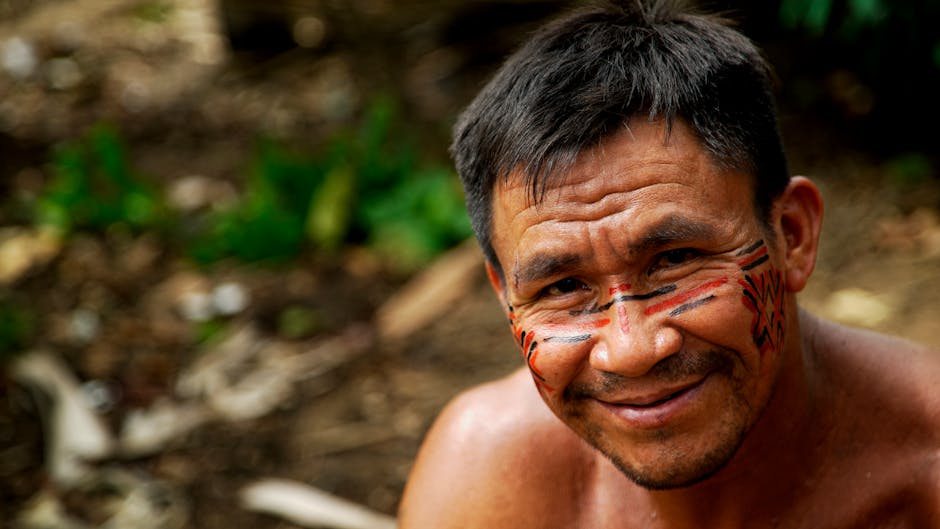
- The Brazilian government has demarcated 410,000 hectares of land to protect the uncontacted Kawahiva people from encroachment.
- The demarcation aims to safeguard the community’s way of life and preserve their cultural heritage in the Amazon rainforest.
- The Kawahiva people are a nomadic hunter-gatherer community that has remained uncontacted for over 25 years.
- The Brazilian government’s decision responds to the increasing threats posed by farming, mining, and logging activities.
- The demarcation is a crucial step towards preserving indigenous cultures and protecting the Amazon rainforest.
As the world grapples with the challenges of preserving indigenous cultures and protecting the Amazon rainforest, a crucial step has been taken by the Brazilian government to safeguard the future of one of the most vulnerable communities in the region. The question on everyone’s mind is: what does the official marking of land for Brazil’s uncontacted Kawahiva people mean for their survival and well-being? The demarcation of 410,000 hectares of territory is intended to protect the Amazonian community from the threats of farming, illegal mining, and logging, which have been encroaching on their land for decades.
Understanding the Kawahiva People’s Plight

The Kawahiva people are a nomadic hunter-gatherer community that has lived in the Amazon rainforest for centuries. Despite their existence being confirmed over 25 years ago, they have remained uncontacted, with minimal interference from the outside world. However, the increasing encroachment of farming, mining, and logging activities has posed a significant threat to their way of life. The Brazilian government’s decision to demarcate their land is a direct response to the need to protect this vulnerable community and preserve their cultural heritage. According to a report by the Guardian, the demarcation process is a crucial step towards ensuring the Kawahiva people’s survival.
Supporting Evidence and Expert Insights

The demarcation of the Kawahiva territory has been welcomed by indigenous rights groups and experts, who argue that it is a vital step towards protecting the community’s land and cultural heritage. Data from the BBC shows that the Amazon rainforest has been rapidly shrinking due to deforestation and land grabbing, highlighting the urgent need for conservation efforts. Quotes from Survival International, an organization that campaigns for the rights of indigenous peoples, emphasize the importance of respecting the Kawahiva people’s decision to remain uncontacted and protecting their land from external threats. As noted by Reuters, the Brazilian government’s move is seen as a positive step towards addressing the historical injustices faced by indigenous communities in the region.
Counter-Perspectives and Challenges Ahead

While the demarcation of the Kawahiva territory is a significant step forward, there are also concerns and counter-perspectives that need to be considered. Some argue that the demarcation process may not be enough to protect the community from the threats of farming, mining, and logging, and that more needs to be done to address the root causes of these activities. Others point out that the Brazilian government has a history of failing to protect indigenous communities and their lands, and that the demarcation of the Kawahiva territory may be too little, too late. Additionally, there may be edge cases where the demarcation of the territory could have unintended consequences, such as limiting the access of other indigenous communities to their traditional lands.
Real-World Impact and Concrete Examples

The demarcation of the Kawahiva territory has significant real-world implications for the community and the region as a whole. For example, it will help to prevent the further encroachment of farming, mining, and logging activities, which have been responsible for widespread deforestation and environmental degradation in the Amazon rainforest. The move will also provide a crucial safeguard for the community’s cultural heritage and way of life, allowing them to continue their traditional practices and maintain their connection to their land. Furthermore, the demarcation of the Kawahiva territory sets an important precedent for the protection of other indigenous communities in the region, highlighting the need for governments and international organizations to take concrete action to address the challenges faced by these communities.
What This Means For You
The demarcation of the Kawahiva territory is a reminder of the importance of preserving indigenous cultures and protecting the environment. As individuals, we can play a crucial role in supporting these efforts by staying informed about the issues affecting indigenous communities and the Amazon rainforest, and by taking action to reduce our own impact on the environment. This can include making conscious choices about the products we buy, supporting organizations that work to protect indigenous rights and the environment, and advocating for policies that prioritize conservation and sustainability.
As we look to the future, the question remains: what more can be done to protect the Kawahiva people and other indigenous communities in the Amazon region? How can we balance the need to preserve indigenous cultures and protect the environment with the demands of economic development and globalization? These are complex and challenging questions, but by working together and prioritizing the rights and well-being of indigenous communities, we can create a more just and sustainable future for all.
Source: The Guardian