- Microsoft’s planned AI data center in Kenya’s Naivasha faces opposition due to its massive energy requirements.
- The facility’s demand for 400 megawatts of power is equivalent to the consumption of over 4 million average Kenyan households.
- Kenya’s national generation capacity is limited, with only 3,000 megawatts available, making it difficult to allocate 13% to a single facility.
- The project’s execution has been stalled due to a lack of surplus energy capacity in the country.
- The proposed data center’s energy needs have raised concerns about the reliability of Kenya’s power grid.
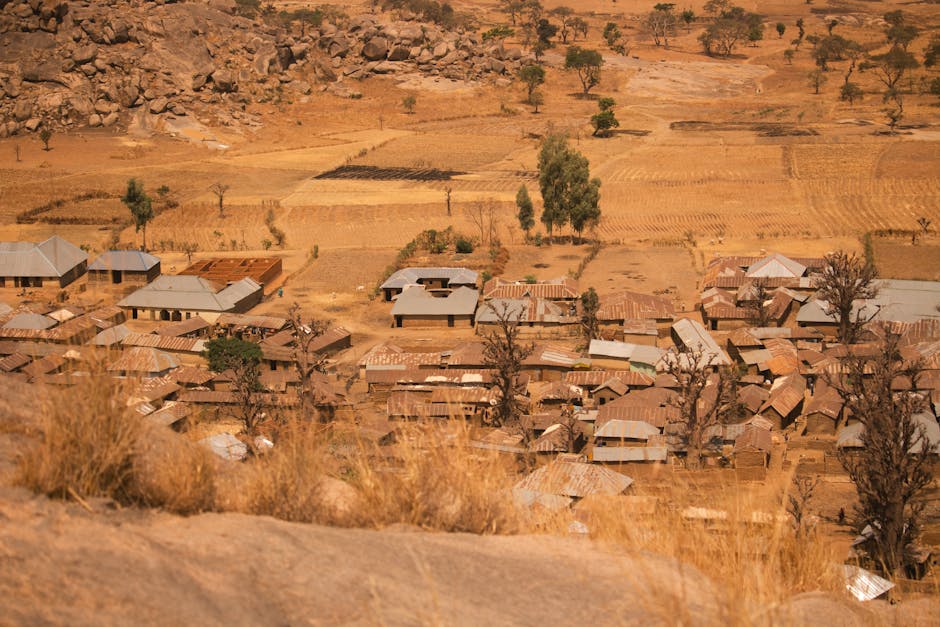
Near the shimmering shores of Lake Naivasha, where acacia trees cast long shadows over red-dirt roads and farmers tend smallholder plots of maize, a different kind of harvest was supposed to take root. A futuristic data center, backed by Microsoft and billed as a cornerstone of Africa’s digital transformation, was to rise from the savannah — a temple to artificial intelligence, powered by green energy and promise. But instead of humming servers and fiber-optic cables, there is silence. The $1 billion project, heralded as a leap into technological sovereignty, now lies in limbo. Kenyan energy officials have delivered a sobering verdict: powering the facility would require shutting down electricity for nearly half the country. In a nation where blackouts are already routine and grid capacity is stretched thin, the math doesn’t add up.
Project Stalls Amid Power Shortfall

Microsoft’s proposed AI data center in Naivasha was envisioned as a regional tech hub, supporting cloud computing and machine learning across East Africa. However, recent assessments by Kenya’s Ministry of Energy reveal that the facility would demand approximately 400 megawatts of continuous power — equivalent to the consumption of over 4 million average Kenyan households. With Kenya’s national generation capacity hovering around 3,000 megawatts, allocating 13% of the entire grid to a single private facility has sparked alarm. “We simply do not have surplus capacity,” said Energy Secretary George Nyamweya in a parliamentary briefing. “Meeting this demand would mean rationing power for hospitals, schools, and industries.” The revelation has brought negotiations to a standstill, with Microsoft seeking alternative energy solutions and the Kenyan government demanding guarantees that public infrastructure won’t be compromised.
The Roots of the Energy Gap

Kenya has long championed itself as a leader in renewable energy on the African continent, with over 90% of its grid powered by geothermal, hydro, and wind sources. The country’s Lake Turkana Wind Power project, the largest in Africa, and its expansive Olkaria geothermal fields have drawn international praise. Yet, generation capacity does not equate to reliable distribution. Decades of underinvestment in transmission networks, coupled with rapid urbanization and industrial growth, have strained the system. According to the BBC, only about 75% of Kenya’s population has access to electricity, and even connected households face frequent outages. The dream of becoming Africa’s Silicon Savannah has outpaced the reality of its physical infrastructure. Previous tech investments, such as Konza Technopolis — a planned smart city south of Nairobi — have similarly stalled due to delayed power and water connections, revealing a pattern of ambition exceeding execution.
Clash of Visions: Tech Giants vs. National Priorities

The standoff reflects a deeper tension between global tech ambitions and local development needs. Microsoft, seeking to expand its Azure cloud footprint in Africa, views Kenya as a strategic gateway. The company has invested in digital skilling programs and AI research partnerships with local universities, framing the data center as a catalyst for innovation. But Kenyan officials and energy experts question whether such projects serve the public interest. “We’re being asked to sacrifice basic services for a facility that will primarily benefit international corporations,” said Dr. Wanjira Mathai, an energy policy analyst at the University of Nairobi. Meanwhile, Microsoft has reportedly proposed building a dedicated solar and battery complex to power the site independently. However, experts warn that even such off-grid solutions would require massive land use and water for cooling — resources already under pressure in the Naivasha region.
Stakes for Kenya and the Global South

The fate of the Microsoft project has implications far beyond Naivasha. For Kenya, it underscores the risks of betting national development on foreign tech investments without parallel upgrades to core infrastructure. Other African nations, including Nigeria and South Africa, are watching closely as they negotiate similar data center deals. The International Energy Agency has warned that Africa’s data demand could increase fivefold by 2030, but current power investments are insufficient to meet even basic needs. If Kenya cannot power a single AI facility without crippling its grid, the broader vision of a digitally empowered continent faces a harsh reckoning. Moreover, the episode raises ethical questions about energy colonialism — where wealthy corporations extract digital value while local populations bear the infrastructure burden.
The Bigger Picture
This conflict is not just about megawatts or megaservers. It’s about sovereignty, equity, and the right to development. As artificial intelligence reshapes global economies, the question of who controls the infrastructure — and who pays for it — becomes increasingly urgent. Kenya’s dilemma mirrors a global pattern: from Ireland’s struggle to power AI clusters to Chile’s lithium mines fueling electric dreams abroad, the costs of technological progress are often externalized onto vulnerable regions. The data center standoff is a reminder that digital futures must be built on physical realities — and that without inclusive planning, the promise of innovation can deepen existing inequalities.
What comes next remains uncertain. Microsoft has not formally withdrawn from the project, and Kenyan officials say talks continue. But without a bold investment in grid expansion — potentially backed by international climate finance — the dream of an African AI hub may remain just that: a dream. In the meantime, the red soil of Naivasha sits undisturbed, waiting for a future that may never arrive.
Source: Tomshardware