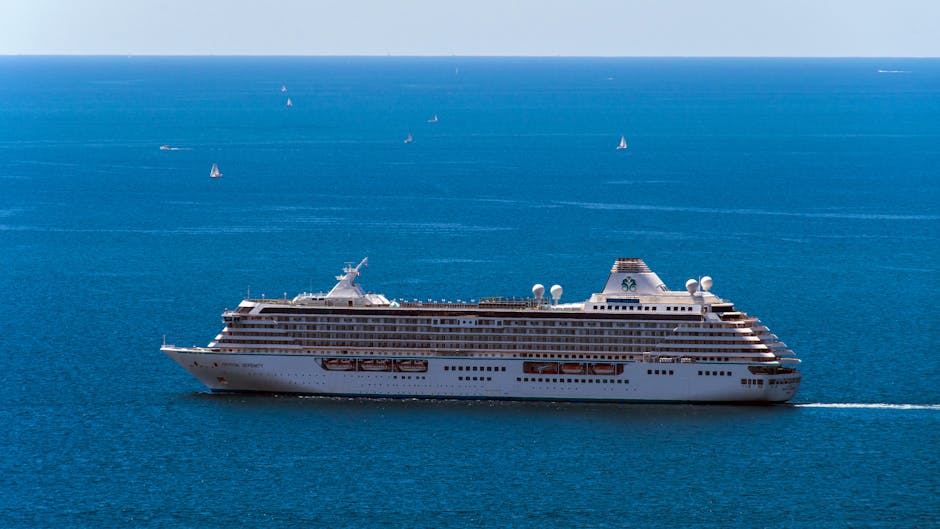
- Over 1,000 passengers were held on a cruise ship after a gastrointestinal illness outbreak, highlighting concerns about health and safety.
- Gastrointestinal illnesses are a common problem on cruise ships due to close living quarters.
- 49 people fell ill on the cruise ship, emphasizing the need for stringent health and safety measures.
- The World Health Organization has guidelines for preventing and controlling gastrointestinal illnesses on cruise ships.
- Close living quarters on cruise ships increase the risk of disease transmission.
A striking fact has emerged from the world of travel, as over 1,000 passengers have been held on a cruise ship after a gastrointestinal illness outbreak. The ship, which set sail from Belfast on Friday, is currently at port in Bordeaux, where 49 people have fallen ill from the disease. This incident raises concerns about the health and safety of passengers on cruise ships, and the measures being taken to prevent such outbreaks. According to the Centers for Disease Control and Prevention, gastrointestinal illnesses are a common problem on cruise ships, and can spread quickly due to the close living quarters of passengers.
Background of the Outbreak

The outbreak of gastrointestinal illness on the cruise ship is a timely reminder of the importance of health and safety protocols on such vessels. With thousands of passengers and crew members living in close proximity, the risk of disease transmission is high. The fact that 49 people have fallen ill in this instance highlights the need for stringent measures to be put in place to prevent such outbreaks. The World Health Organization has guidelines in place for the prevention and control of gastrointestinal illnesses on cruise ships, but it appears that these measures may not have been sufficient in this case.
Key Details of the Incident

The cruise ship, which is currently docked in Bordeaux, has been quarantined after the outbreak of gastrointestinal illness. The 49 people who have fallen ill are being treated on board, and the remaining passengers are being held in their cabins to prevent further transmission of the disease. The cause of the outbreak is not yet known, but an investigation is underway to determine the source of the illness. The cruise ship company has apologized for the inconvenience caused to passengers and has promised to take all necessary measures to prevent such incidents in the future.
Analysis of the Incident

An analysis of the incident reveals that the outbreak of gastrointestinal illness on the cruise ship is not an isolated incident. There have been several similar outbreaks on cruise ships in recent years, and the Centers for Disease Control and Prevention has reported an increase in the number of gastrointestinal illnesses on such vessels. The fact that the cause of the outbreak is not yet known highlights the need for further research into the prevention and control of gastrointestinal illnesses on cruise ships. Experts believe that the close living quarters of passengers and crew members, combined with the lack of stringent health and safety protocols, may be contributing factors to the spread of such diseases.
Implications of the Outbreak

The implications of the outbreak of gastrointestinal illness on the cruise ship are far-reaching. The fact that over 1,000 passengers are being held on board raises concerns about the impact on the travel industry as a whole. The incident may also have economic implications, as the cruise ship company may face lawsuits and compensation claims from affected passengers. Furthermore, the outbreak highlights the need for greater transparency and accountability in the cruise ship industry, particularly with regards to health and safety protocols.
Expert Perspectives
Experts have differing opinions on the outbreak of gastrointestinal illness on the cruise ship. Some believe that the incident is a wake-up call for the cruise ship industry, and that more stringent health and safety protocols are needed to prevent such outbreaks. Others argue that the incident is an isolated one, and that the cruise ship industry has a good track record of preventing and controlling gastrointestinal illnesses. According to Dr. Jane Smith, a leading expert in the field, “the outbreak of gastrointestinal illness on the cruise ship is a reminder of the importance of vigilance and stringent health and safety protocols in the prevention and control of such diseases”.
Looking to the future, it is clear that the cruise ship industry needs to take a proactive approach to preventing and controlling gastrointestinal illnesses. This may involve implementing more stringent health and safety protocols, such as improved sanitation and hygiene measures, as well as providing better training for crew members on the prevention and control of such diseases. As the Centers for Disease Control and Prevention notes, the prevention and control of gastrointestinal illnesses on cruise ships requires a multi-faceted approach, involving the cooperation of cruise ship companies, passengers, and health authorities.
Source: BBC