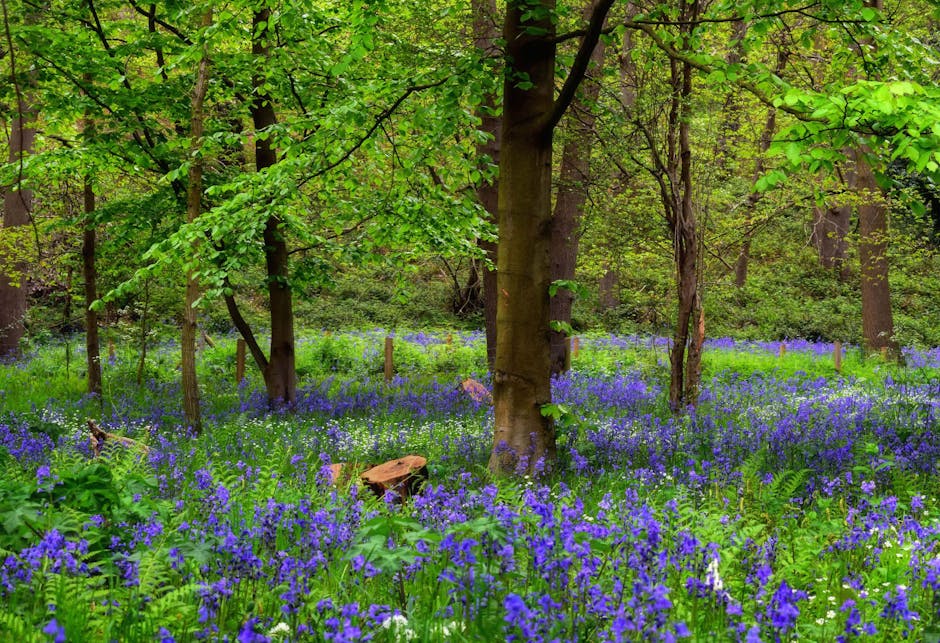
- Bluebells are a delicate sight that easily get damaged by human footsteps, making it crucial to stick to designated paths.
- Bluebells take years to grow from seed and can take decades to recover once damaged.
- The increasing popularity of bluebell woods as a tourist destination poses a significant threat to the very existence of these flowers.
- Responsible visitor behavior is key to minimizing the impact on bluebell ecosystems and preserving these natural wonders.
- Human activities like woodland clearance, urbanization, and unsustainable visitor practices have led to a decline in bluebell numbers.
The arrival of spring brings with it the vibrant display of bluebells in woodlands across the UK. These delicate, bell-shaped flowers are a beloved sight, carpeting the forest floor in a sea of blue. However, their beauty is fragile and easily damaged by human footsteps, prompting the Woodland Trust to urge visitors to stick to the path when exploring and photographing these natural wonders.
Current Threats to Bluebell Habitats

The current situation is one of concern, as the increasing popularity of bluebell woods as a tourist destination poses a significant threat to the very existence of these flowers. Key facts highlight the importance of responsible visitor behavior: bluebells take years to grow from seed, and once damaged, they can take decades to recover. The Woodland Trust emphasizes that by keeping to designated paths, visitors can help minimize the impact on these sensitive ecosystems.
A History of Bluebell Conservation

The story behind the need for bluebell conservation is rooted in history. For centuries, bluebells have been a part of the UK’s woodland landscape, but human activities such as woodland clearance, urbanization, and unsustainable visitor practices have led to a decline in their numbers. Historical context shows that conservation efforts have been in place for decades, with organizations like the Woodland Trust working tirelessly to protect and restore woodland habitats. The trust’s efforts include acquiring and managing woodland sites, promoting sustainable land use, and educating the public about the importance of conservation.
The People Behind Bluebell Protection

Those shaping the protection of bluebells include conservationists, landowners, and the general public. The motivations behind their actions are multifaceted, ranging from a desire to preserve biodiversity and ecosystem health to the recognition of the economic benefits that bluebell tourism can bring to local communities. Organizations like the Nature Conservancy play a crucial role in advocating for science-driven conservation practices and supporting community-led initiatives that promote the sustainable use of natural resources.
Consequences of Human Impact

The consequences of trampling bluebells are far-reaching, affecting not just the flowers themselves but the entire woodland ecosystem. When bluebells are damaged, it can lead to soil erosion, increased vulnerability to invasive species, and a loss of habitat for other wildlife that depends on these flowers. For stakeholders, including local communities, landowners, and visitors, the message is clear: responsible behavior is essential to ensure that bluebell woods remain healthy and thriving for generations to come.
The Bigger Picture
The issue of protecting bluebells from human impact is part of a broader conversation about the relationship between humans and the natural environment. As the world grapples with challenges such as climate change, biodiversity loss, and the sustainable use of resources, the preservation of fragile ecosystems like bluebell woods takes on a greater significance. It highlights the need for a balanced approach that considers both the economic and recreational value of natural areas and the imperative to protect them for their intrinsic ecological worth.
In conclusion, as we marvel at the beauty of bluebells, we must also acknowledge our responsibility to protect them. By choosing to stick to the path and support conservation efforts, we can ensure that these flowers continue to thrive. What comes next will depend on our collective actions, but one thing is certain – the future of bluebell woods is in our hands, and it is our duty to preserve their beauty for future generations.
Source: BBC