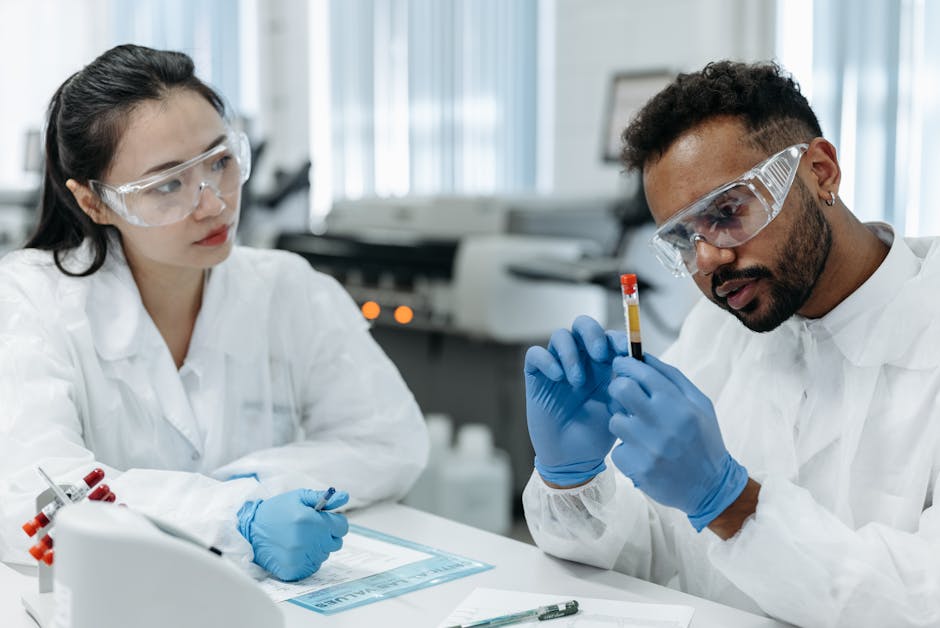
- Scientists have discovered a way to reverse the aging process in blood stem cells, which produce all blood cells in the human body.
- The breakthrough involves manipulating cellular mechanisms that drive aging, restoring the youthful function of old blood stem cells.
- Blood stem cell decline is associated with changes such as overactivated lysosomes, leading to inflammation and cellular damage.
- The researchers’ discovery has the potential to pave the way for new therapies and treatments addressing age-related diseases.
- This anti-aging breakthrough could lead to improved blood cell production and regeneration in older individuals.
The human body is comprised of trillions of cells, each with its own unique function and lifespan. As we age, our cells undergo a natural process of decline, leading to a range of age-related diseases and disorders. However, a team of scientists has made a groundbreaking discovery that could potentially reverse this process, at least in one type of cell: blood stem cells. By manipulating the cellular mechanisms that drive aging, researchers have successfully restored the youthful function of old blood stem cells, paving the way for new therapies and treatments.
The Current State of Blood Stem Cell Research

Blood stem cells are responsible for producing all the different types of blood cells in our body, including red blood cells, white blood cells, and platelets. As we age, these stem cells undergo a range of changes that affect their ability to function properly. One of the key factors contributing to this decline is the overactivation of lysosomes, which are small organelles within cells that break down and recycle cellular waste. When lysosomes become overactive, they can trigger inflammation and damage to the cell, leading to a decline in the production of healthy blood and immune cells. The researchers’ breakthrough discovery has identified a way to calm this cellular “overdrive,” restoring the stem cells’ youthful function and dramatically boosting their ability to regenerate and produce balanced blood cells.
A Brief History of Anti-Aging Research

The quest to understand and reverse the aging process has been a longstanding goal of scientific research. Over the years, numerous studies have investigated the underlying mechanisms of aging, from the role of telomeres and epigenetics to the impact of lifestyle factors such as diet and exercise. While significant progress has been made, the complexity of the aging process has made it challenging to develop effective therapies. The discovery of the importance of lysosomes in blood stem cell aging is a significant milestone in this field, as it provides a new target for intervention and potential therapy. According to the National Institutes of Health, understanding the mechanisms of aging is crucial for the development of effective treatments for age-related diseases.
The Researchers Behind the Breakthrough

The team of scientists responsible for this breakthrough is led by a renowned expert in the field of stem cell biology. With years of experience in researching the mechanisms of aging, the team has been driven by a passion to understand and reverse the aging process. Their motivations are not only to advance our knowledge of aging but also to develop new therapies that can improve human health and wellbeing. As noted by the World Health Organization, aging is a major risk factor for a range of diseases, including cancer, diabetes, and cardiovascular disease.
The Consequences of This Breakthrough

The implications of this discovery are significant, with potential consequences for the treatment and management of age-related diseases. By restoring the youthful function of old blood stem cells, researchers may be able to develop new therapies that can improve blood cell production, enhance immune function, and reduce the risk of age-related diseases. This breakthrough also has significant implications for our understanding of the aging process, providing new insights into the mechanisms that drive cellular decline. As the global population ages, the need for effective treatments and therapies has never been more pressing, and this discovery represents a major step forward in addressing this challenge.
The Bigger Picture
This breakthrough is not only significant for our understanding of aging but also has broader implications for human health and wellbeing. As we age, our bodies undergo a range of changes that affect our quality of life, from declining physical function to increased susceptibility to disease. By developing new therapies and treatments that can reverse or slow down the aging process, researchers may be able to improve human healthspan, enabling people to live healthier, more fulfilling lives. This discovery is a testament to the power of scientific research and its potential to transform our understanding of the world and improve human lives.
As researchers continue to build on this discovery, it is likely that we will see significant advances in our understanding of aging and the development of new therapies. While there is still much work to be done, this breakthrough represents a major milestone in the quest to reverse the aging process and improve human health. With its potential to transform our understanding of aging and develop new treatments, this discovery is an exciting and promising development that could have a major impact on human health and wellbeing in the years to come.
Source: ScienceDaily