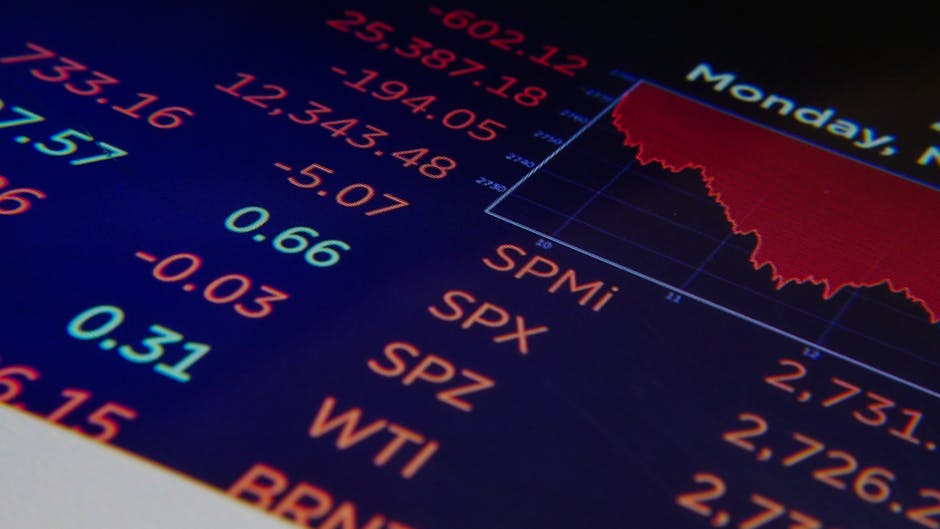
- Economic decisions rely heavily on trends, forecasts, and analyses, but a complex web of data informs these narratives.
- Official statistics provide insights into key economic indicators like inflation rates and employment figures.
- The true value of economic data becomes apparent when it’s gone or unreliable, highlighting the need for reliable data.
- The global economic slowdown has exposed the need for improved data collection and analysis methods.
- Economists call for increased transparency to ensure decision-makers have access to accurate information.
The world of economics is often painted with broad strokes, with decisions made on the basis of trends, forecasts, and analyses. However, beneath these sweeping narratives lies a complex web of data, meticulously collected and analyzed to inform policy and business decisions. Official statistics, in particular, serve as the backbone of economic planning, providing insights into everything from inflation rates to employment figures. Yet, it isn’t until these statistics disappear or become unreliable that their true value becomes apparent, leaving policymakers and economists scrambling to fill the void.
The Current State of Economic Data

The current situation with economic data is precarious, with many countries facing challenges in collecting and analyzing accurate statistics. The global economic slowdown has highlighted the need for reliable data, as policymakers struggle to respond to the crisis. Key facts, such as GDP growth rates and unemployment figures, are crucial in determining the effectiveness of economic policies. However, discrepancies in data collection and analysis have led to inconsistencies, making it difficult to gauge the true state of the economy. As a result, economists are calling for improved data collection methods and increased transparency to ensure that decision-makers have access to accurate information.
A History of Reliance on Official Statistics

The story behind the importance of official statistics is rooted in history. The collection and analysis of economic data have been instrumental in shaping policy decisions, from the Great Depression to the present day. The establishment of statistical agencies, such as the Bureau of Labor Statistics in the United States, marked a significant turning point in the use of data-driven decision-making. Over time, the scope and complexity of data collection have expanded, incorporating new indicators and methodologies. This historical context underscores the critical role that official statistics have played in informing economic policy and highlights the potential consequences of their absence or deterioration.
The Key Players in Economic Data Collection

The individuals and organizations involved in collecting and analyzing economic data are driven by a desire to provide accurate and reliable information. Statisticians, economists, and policymakers work together to design and implement data collection methodologies, often in conjunction with international organizations such as the World Health Organization and the International Monetary Fund. Their motivations are multifaceted, ranging from a commitment to public service to a desire to advance economic knowledge. As such, they are keenly aware of the importance of their work and the potential consequences of data gaps or inaccuracies.
Consequences of Inaccurate or Missing Data

The disappearance or degradation of official statistics can have far-reaching consequences for stakeholders, including policymakers, businesses, and individuals. Without reliable data, decision-makers are forced to rely on incomplete or inaccurate information, leading to potentially misguided policy choices. This, in turn, can have significant economic and social implications, from misguided investments to ineffective social programs. Furthermore, the lack of transparency and accountability that often accompanies data gaps can erode trust in institutions, exacerbating the challenges faced by economies and societies.
The Bigger Picture
The importance of official statistics extends beyond the realm of economics, speaking to broader issues of governance, transparency, and accountability. In an era marked by increasing complexity and interconnectedness, the need for reliable data has never been more pressing. As the world grapples with challenges such as climate change and global health crises, the role of official statistics in informing policy and decision-making will only continue to grow. By recognizing the value of these statistics and working to strengthen data collection and analysis, we can build more resilient and responsive economies, better equipped to navigate the challenges of the 21st century.
In conclusion, the adage ‘you don’t know what you’ve got till it’s gone’ is particularly apt when it comes to official statistics. As we move forward, it is essential that we prioritize the collection, analysis, and dissemination of high-quality economic data, recognizing the critical role that these statistics play in shaping our understanding of the world and informing the decisions that will shape our future. By doing so, we can ensure that policymakers, businesses, and individuals have access to the information they need to make informed choices, ultimately contributing to more stable, equitable, and prosperous economies.
Source: Financial Times