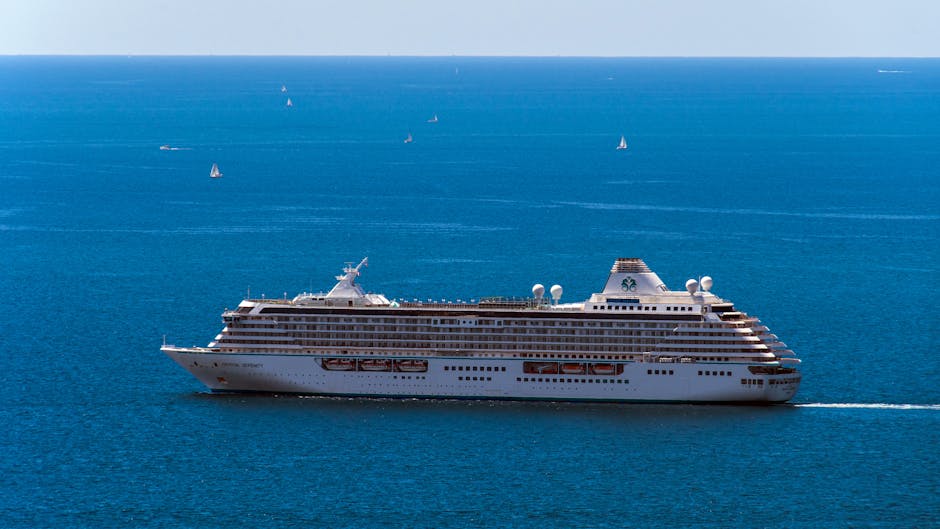
- A cruise ship in France has been quarantined with 1,700 people onboard due to a suspected norovirus death.
- Norovirus outbreaks in confined spaces can spread quickly due to close proximity of individuals.
- High standards of hygiene and sanitation are crucial in preventing norovirus outbreaks on cruise ships.
- Norovirus can be spread through contaminated food, water, and surfaces, as well as direct contact with an infected person.
- Recent norovirus outbreaks on cruise ships have resulted in significant disruptions and costly clean-up operations.
The recent confinement of over 1,700 people to a cruise ship in France has sparked widespread concern after a suspected norovirus death onboard. The ship, which is currently docked in a French port, has been quarantined, with passengers and crew undergoing medical checks to determine the extent of the outbreak. This incident highlights the risks associated with norovirus outbreaks in confined spaces, where the virus can spread quickly due to the close proximity of individuals. According to the Centers for Disease Control and Prevention (CDC), norovirus is a highly contagious virus that can cause severe gastrointestinal symptoms, including diarrhea, vomiting, and stomach cramps.
Norovirus Outbreaks on Cruise Ships

Norovirus outbreaks on cruise ships are not uncommon, and this latest incident is a stark reminder of the importance of maintaining high standards of hygiene and sanitation in confined spaces. The virus can spread quickly through contaminated food, water, and surfaces, as well as through direct contact with an infected person. In recent years, there have been several high-profile norovirus outbreaks on cruise ships, resulting in significant disruptions to passengers’ vacations and costly clean-up operations for the cruise lines. As the World Health Organization (WHO) notes, norovirus is a leading cause of gastroenteritis worldwide, and outbreaks can have significant economic and social impacts.
Investigation and Response

The French authorities have launched an investigation into the suspected norovirus death and are working to determine the cause of the outbreak. The ship’s crew and passengers are cooperating fully with the investigation, and medical teams are on board to provide support and treatment to those affected. The cruise line has also implemented additional hygiene and sanitation measures to prevent further spread of the virus, including enhanced cleaning and disinfection protocols, as well as restrictions on food and water consumption. As Dr. Marc-Alain Widdowson, a norovirus expert at the CDC, notes, prompt and effective response to norovirus outbreaks is critical to preventing further spread and minimizing the risk of complications.
Causes and Effects of Norovirus Outbreaks

The causes of norovirus outbreaks on cruise ships are often complex and multifaceted, involving a combination of factors such as poor hygiene, inadequate sanitation, and the presence of infected individuals. The effects of such outbreaks can be significant, resulting in widespread illness, disruption to passengers’ vacations, and costly clean-up operations for the cruise lines. Furthermore, norovirus outbreaks can also have longer-term consequences, including damage to the cruise line’s reputation and potential legal liabilities. As the BBC reports, the cruise industry has faced significant challenges in recent years, including the COVID-19 pandemic and high-profile norovirus outbreaks.
Implications for Public Health

The confinement of over 1,700 people to a cruise ship due to a suspected norovirus death has significant implications for public health, highlighting the need for enhanced hygiene and sanitation measures in confined spaces. The incident also underscores the importance of prompt and effective response to norovirus outbreaks, including the implementation of additional hygiene and sanitation measures, as well as the provision of medical support and treatment to those affected. As Professor John Oxford, a virologist at the University of London, notes, norovirus outbreaks can have significant public health implications, particularly in confined spaces where the virus can spread quickly.
Expert Perspectives
Experts in the field of public health and epidemiology have offered contrasting viewpoints on the suspected norovirus death on the cruise ship, with some emphasizing the need for enhanced hygiene and sanitation measures, while others have highlighted the importance of prompt and effective response to norovirus outbreaks. According to Dr. David Heymann, a professor of infectious disease epidemiology at the London School of Hygiene and Tropical Medicine, norovirus outbreaks on cruise ships can be prevented through a combination of good hygiene practices, adequate sanitation, and effective outbreak response measures.
Looking ahead, the key question is what measures can be taken to prevent similar norovirus outbreaks on cruise ships in the future. As the New York Times reports, the cruise industry has faced significant challenges in recent years, including the COVID-19 pandemic and high-profile norovirus outbreaks. To address these challenges, cruise lines must prioritize the implementation of enhanced hygiene and sanitation measures, as well as the provision of medical support and treatment to those affected. By taking a proactive and comprehensive approach to norovirus prevention and response, the cruise industry can minimize the risk of outbreaks and protect the health and well-being of passengers and crew.
Source: The Guardian