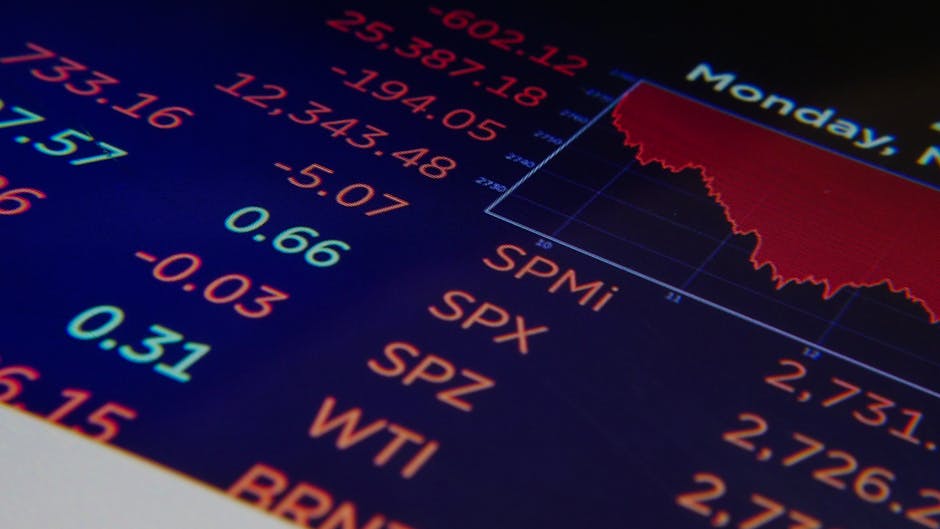
- UK bond yields are rising due to investor concerns about potential instability under Prime Minister Keir Starmer’s leadership.
- Investors demand higher returns for lending money to countries with unstable political situations, leading to higher bond yields.
- The uncertainty surrounding Starmer’s future as Prime Minister introduces an element of risk that makes investors wary of investing in British debt.
- Political instability has been observed in various countries to affect economic decisions and increase bond yields.
- The rise in UK bond yields is closely tied to the current political developments within the UK.
As the United Kingdom navigates its current political landscape, one question on everyone’s mind is what the future holds for Prime Minister Keir Starmer. With a rebellion brewing within his own party, the uncertainty surrounding his leadership has begun to impact the country’s economy, particularly in the bond market. The yields on British debt have pushed higher, reflecting the investor concern about the potential instability that could arise from a change in leadership.
Understanding the Impact on Bond Yields

The direct answer to why bond yields are rising lies in the perceived risk associated with investing in British debt. When investors believe that a country’s political situation is unstable, they demand higher returns for lending money to that country, which translates into higher bond yields. In the context of the UK, the doubt surrounding Starmer’s future as Prime Minister introduces an element of uncertainty that makes investors wary, leading to an increase in bond yields. This reaction is not unique to the UK and has been observed in various countries where political instability has affected economic decisions.
Evidence of Market Concerns

Data from financial markets and quotes from economic analysts support the notion that the rise in bond yields is closely tied to the political developments within the UK. According to Reuters, market observers have noted that the increase in yields is a direct response to the heightened uncertainty about the UK’s political future. Moreover, sources like the BBC have highlighted statements from economists who warn about the potential long-term effects of political instability on the UK’s economy, including higher borrowing costs for the government and consumers alike.
Counter-Perspectives and Skepticism

While many analysts see the rise in bond yields as a clear sign of investor concern over political instability, there are also skeptics who argue that the situation might not be as dire as it seems. Some economists suggest that the UK’s economic fundamentals remain strong and that the current political turmoil might be a short-term blip rather than a long-term trend. They point out that bond markets can be volatile and that yields might stabilize once the political situation clarifies. However, these views are not universally held, and the majority of the financial community remains cautious, awaiting the outcome of the political developments.
Real-World Impact of Rising Bond Yields

The increase in bond yields has concrete implications for the UK economy and its citizens. Higher bond yields mean that the government will have to pay more to borrow money, which could lead to increased taxes or reduced public spending. For consumers, this could result in higher interest rates on mortgages and other loans, making borrowing more expensive. Furthermore, businesses might find it more costly to access capital, potentially dampening investment and growth. These consequences underscore the significance of political stability for a country’s economic health and highlight the challenges that the UK faces in navigating its current political landscape.
What This Means For You
The practical takeaway for readers is that political instability can have far-reaching effects on the economy, impacting everything from government borrowing costs to individual mortgage payments. As the situation in the UK continues to unfold, it’s essential for consumers and businesses alike to be aware of these potential implications and to plan accordingly. This might involve reviewing financial plans, considering the impact of potential interest rate changes, and staying informed about economic and political developments.
Looking ahead, one open question is how the UK’s political situation will resolve and what the long-term effects will be on its economy. Will the current rebellion against Prime Minister Starmer lead to a change in leadership, and if so, how will this impact the country’s economic policies and stability? As investors, consumers, and citizens, understanding the interplay between politics and economics is crucial for navigating the complexities of the modern world and making informed decisions about the future.
Source: The New York Times