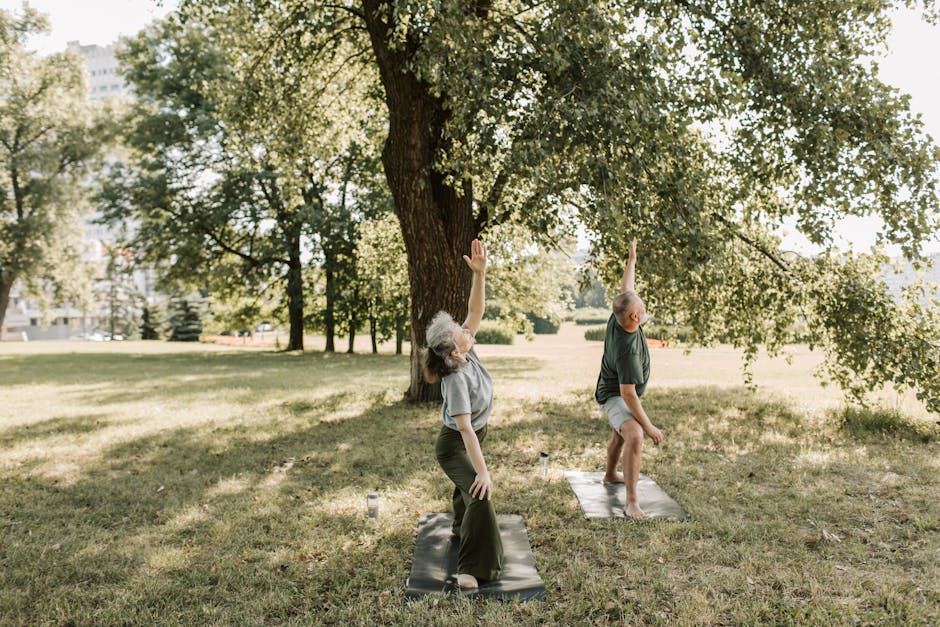
- Regular exercise is essential for maintaining physical and mental health as we age, reducing the risk of chronic diseases and improving cognitive function.
- Exercise can help mitigate age-related changes, such as muscle mass and bone density decline, and cardiovascular function deterioration.
- Staying active can reduce the risk of heart disease, diabetes, and osteoporosis, while also enhancing overall quality of life.
- Exercise is beneficial for older adults, regardless of their current level of physical activity, and can improve depression and anxiety symptoms.
- Incorporating physical activity into daily routines can improve cognitive function and reduce the risk of age-related cognitive decline.
As the global population ages, one question on everyone’s mind is: how can we maintain our physical and mental health as we get older? For BBC presenter Sophie Raworth, the answer is clear: exercise is essential for healthy aging. Raworth recently expressed her desire to still be running in her 80s, highlighting the importance of staying active throughout our lives. But what does the science say, and how can we incorporate exercise into our daily routines as we age?
Why Exercise Matters for Healthy Aging

Regular exercise is widely recognized as a crucial component of healthy aging. As we get older, our bodies undergo a range of changes that can affect our physical and mental health, including a decline in muscle mass, bone density, and cardiovascular function. Exercise can help to mitigate these effects, reducing the risk of chronic diseases such as heart disease, diabetes, and osteoporosis. According to the Centers for Disease Control and Prevention, regular physical activity can also improve cognitive function, reduce the risk of depression and anxiety, and enhance overall quality of life.
The Evidence for Exercise in Older Adults

Studies have consistently shown that exercise is beneficial for older adults, regardless of their current level of physical activity. A review of research published in the Journal of Aging Research found that exercise programs can improve physical function, reduce the risk of falls, and enhance mental health in older adults. Additionally, a study published in the Journal of Gerontology found that older adults who engaged in regular exercise had a lower risk of mortality and a higher quality of life compared to those who were sedentary. As Raworth notes, exercise is not just about physical health, but also about mental wellbeing and social connection.
Counter-Perspectives and Challenges

While the benefits of exercise for older adults are clear, there are also challenges and counter-perspectives to consider. Some older adults may face barriers to exercise, such as chronic health conditions, mobility limitations, or lack of access to safe and affordable exercise facilities. Additionally, some people may be skeptical about the benefits of exercise, or may feel that it is too late to start. However, as Raworth points out, it’s never too late to start exercising, and even small amounts of physical activity can have significant health benefits. Furthermore, many communities are now offering exercise programs specifically designed for older adults, such as SilverSneakers, which can provide a safe and supportive environment for seniors to get active.
Real-World Impact of Exercise on Healthy Aging

The impact of exercise on healthy aging can be seen in real-world examples. For instance, a study published in the British Medical Journal found that older adults who engaged in regular exercise had a lower risk of hospitalization and a shorter length of stay in hospital compared to those who were sedentary. Additionally, exercise programs have been shown to improve functional ability and reduce the risk of falls in older adults, which can have a significant impact on quality of life and healthcare costs. As Raworth notes, exercise is not just about individual health benefits, but also about creating a healthier and more active community.
What This Means For You
So what can you do to incorporate exercise into your daily routine as you age? The key is to find activities that you enjoy and that fit your lifestyle and abilities. This might include walking, swimming, cycling, or group fitness classes, such as yoga or tai chi. It’s also important to consult with your healthcare provider before starting any new exercise program, especially if you have any underlying health conditions. By making exercise a priority, you can take control of your health and wellbeing as you age, and reduce your risk of chronic diseases.
As we look to the future, one question remains: how can we create a society that supports and encourages physical activity across the lifespan? By promoting exercise and healthy aging, we can create a healthier, more active, and more connected community, where people like Sophie Raworth can continue to run and thrive well into old age. What role can you play in promoting healthy aging in your community, and how can you inspire others to get active and engaged?
Source: BBC