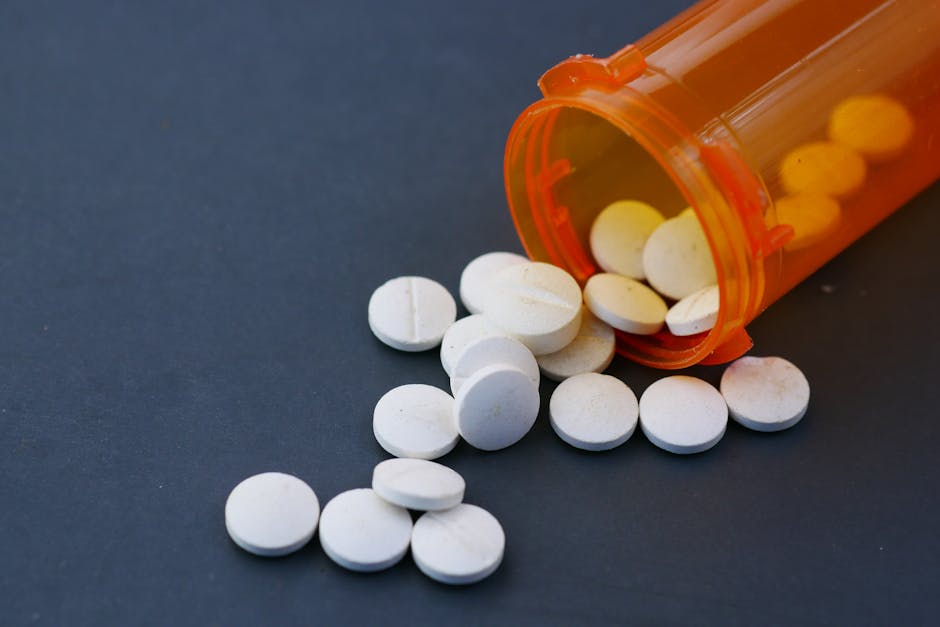
- The US Supreme Court has temporarily allowed continued access to the abortion pill mifepristone by mail.
- Mifepristone, a medication for medical abortions, has been available by prescription in the US for over two decades.
- The medication’s availability by mail has been significant, especially during the COVID-19 pandemic, for safe and private access to abortion services.
- The debate over mifepristone reflects the broader struggle over abortion rights in the US.
- The Centers for Disease Control and Prevention emphasize the importance of accessible reproductive healthcare, including abortion services.
The US Supreme Court has intervened in a highly contentious issue, granting a temporary reprieve to allow continued access to the abortion pill mifepristone by mail. This decision, handed down by Justice Samuel A. Alito Jr., pauses a lower federal appeals court ruling that would have severely restricted access to the medication, at least until Thursday. The move highlights the deep-seated divisions within the country regarding abortion rights and access to reproductive healthcare. The Centers for Disease Control and Prevention has long emphasized the importance of accessible reproductive healthcare, including abortion services, for the well-being of women and families.
Background on Mifepristone and Abortion Access

The debate surrounding mifepristone, a key component in medical abortions, has been ongoing for years. Approved by the Food and Drug Administration (FDA) over two decades ago, mifepristone has become a critical option for women seeking to terminate early pregnancies. The medication’s availability by mail has been particularly significant, especially during the COVID-19 pandemic, as it has allowed women to access abortion services safely and privately. However, its use has been under constant legal and political challenge, reflecting the broader struggle over abortion rights in the United States. The World Health Organization has recognized safe abortion as an essential component of healthcare, underscoring the importance of maintaining access to services like those provided through mifepristone.
The Legal Battle Over Mifepristone Access

The legal battle surrounding mifepristone access has been intense, with various groups challenging the FDA’s regulatory decisions regarding the drug. A federal appeals court had ruled in favor of restricting mail access to mifepristone, citing concerns over the safety and efficacy of the medication when dispensed without direct medical supervision. However, proponents of reproductive rights argue that such restrictions are not supported by scientific evidence and would disproportionately affect vulnerable populations, including low-income women and those living in areas with limited healthcare access. The decision by Justice Alito to pause this ruling, even if temporary, reflects the high stakes and the deeply polarized nature of the issue, with both sides awaiting further legal developments with bated breath.
Analysis of the Decision’s Impact

Analysts and legal experts view the Supreme Court’s intervention as significant, albeit temporary. The decision to pause the appeals court ruling suggests that the justices are mindful of the far-reaching implications of restricting access to mifepristone. It also indicates a recognition of the FDA’s role in regulating drugs based on scientific evidence rather than political pressure. Furthermore, this move underscores the ongoing debate about the balance between women’s health rights and regulatory oversight. As The New York Times has reported, the issue of abortion access is likely to remain a contentious political and legal battleground, with the Supreme Court’s eventual ruling on mifepristone access potentially setting a significant precedent.
Implications for Women’s Health and Rights

The implications of this decision, even in its temporary form, are profound for women’s health and rights. Access to safe and legal abortion services is recognized by global health authorities, including the World Health Organization, as essential for reducing maternal mortality and promoting women’s well-being. Restrictions on mifepristone would not only limit access to abortion but also undermine the principle of women’s autonomy over their bodies and health. The temporary reprieve granted by the Supreme Court allows women to continue accessing this critical healthcare service, but the long-term outcome remains uncertain, leaving many anxious about the future of reproductive rights in the US.
Expert Perspectives
Experts in the field of reproductive health and law offer contrasting viewpoints on the Supreme Court’s decision. Some see it as a vital step in protecting women’s rights and access to essential healthcare, highlighting the importance of evidence-based decision-making in drug regulation. Others argue that the decision overlooks concerns about the safety and appropriateness of mail-dispensed abortion medications, emphasizing the need for stringent regulatory oversight to protect public health. As noted by BBC News, the divisive nature of the issue ensures that it will continue to be a subject of intense debate and legal challenge.
Looking forward, the key question is what the Supreme Court’s final ruling will be and how it will impact the landscape of abortion access in the US. Will the court uphold the FDA’s current regulatory framework for mifepristone, or will it side with those seeking to restrict access? The answer to this question will have far-reaching implications for women’s health, rights, and autonomy. As the legal process unfolds, advocates on both sides of the issue are gearing up for a prolonged battle, with the ultimate outcome hanging in the balance. The decision, whenever it comes, is expected to be closely watched by Reuters and other news outlets, given its significance for US healthcare policy and women’s rights.
Source: The New York Times