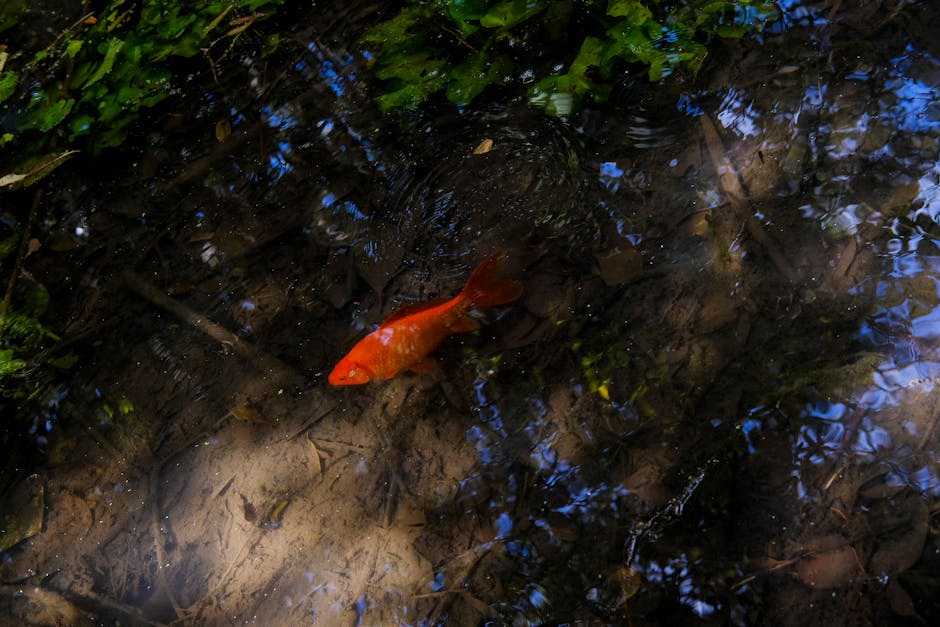
- Goldfish are outcompeting native carp in lakes, threatening their survival and the local ecosystem.
- Abandoned goldfish are introducing diseases such as fin rot and swim bladder infections to native fish.
- Goldfish populations can quickly get out of control if left unchecked, due to their prolific breeding.
- The Environment Agency is working to educate the public about the dangers of releasing non-native species.
- Native carp numbers are dwindling in lakes due to the presence of invasive goldfish.
The serene landscape of the lake on a sunny afternoon is a stark contrast to the chaos that lies beneath its surface. The once peaceful waters are now teeming with an unexpected invader: goldfish. These small, colorful creatures may seem harmless, but they pose a significant threat to the native carp population. The Environment Agency has launched an effort to capture and remove the abandoned pets, which are not only competing with the native fish for food but also introducing diseases that could decimate the local ecosystem.
The Current Crisis

The situation in the lake is dire, with goldfish populations skyrocketing and native carp numbers dwindling. The goldfish are prolific breeders, and their populations can quickly get out of control if left unchecked. They are also voracious eaters, consuming large quantities of food that would otherwise be available to the native fish. Furthermore, the goldfish are introducing diseases such as fin rot and swim bladder infections, which can be devastating to the native carp. The Environment Agency is working to educate the public about the dangers of releasing non-native species into the wild and is urging people to come forward with any information about the abandoned goldfish.
A History of Invasive Species

The problem of invasive species is not new, and it is a story that has been repeated countless times around the world. Non-native species are often introduced to new environments through human activity, whether intentionally or unintentionally. In the case of the goldfish, it is likely that they were released into the lake by pet owners who no longer wanted to care for them. This thoughtless act has set off a chain reaction that could have disastrous consequences for the native ecosystem. The Environment Agency is working to prevent similar incidents in the future by educating the public about the risks associated with releasing non-native species and by enforcing laws that prohibit such activities.
The Key Players

The Environment Agency is at the forefront of the effort to remove the invasive goldfish from the lake. The agency is working closely with local wildlife experts and conservation groups to develop a comprehensive plan to capture and relocate the goldfish. The public is also playing a crucial role in the effort, with many people coming forward to report sightings of the goldfish and to offer their assistance in the capture efforts. However, the agency is also facing opposition from some pet owners who are resistant to the idea of removing the goldfish from the lake. These individuals often argue that the goldfish are harmless and that they have a right to release them into the wild.
The Consequences

The consequences of inaction could be severe, with the native carp population potentially facing extinction. The loss of the native carp would have a ripple effect throughout the ecosystem, with other species that rely on them for food or habitat also being impacted. The economic consequences of inaction could also be significant, with the loss of the native carp potentially impacting the local fishing industry. The Environment Agency is working to prevent these consequences by taking swift and decisive action to remove the invasive goldfish from the lake. The agency is also working to develop long-term strategies to prevent similar incidents in the future, including education and outreach programs to inform the public about the risks associated with invasive species.
The Bigger Picture
The issue of invasive species is a global problem that requires a coordinated response. The introduction of non-native species can have far-reaching consequences, from the loss of biodiversity to the disruption of ecosystems. The story of the goldfish in the lake is just one example of the many ways in which human activity can impact the environment. It highlights the need for greater awareness and education about the risks associated with invasive species and the importance of taking action to prevent their introduction and spread. As the Environment Agency works to address the issue of the goldfish in the lake, it is also important to consider the broader implications of invasive species and to develop strategies to prevent similar incidents in the future.
The future of the lake and its native carp population hangs in the balance, and it remains to be seen whether the efforts of the Environment Agency will be enough to prevent a disaster. One thing is certain, however: the issue of invasive species is a complex and multifaceted problem that requires a sustained and coordinated response. As we move forward, it is essential that we prioritize education and outreach, working to inform the public about the risks associated with invasive species and the importance of taking action to prevent their introduction and spread. By working together, we can help to protect the environment and preserve the delicate balance of our ecosystems for future generations. For more information on the issue of invasive species, visit the Nature website, which provides a wealth of information and resources on the topic.
Source: BBC