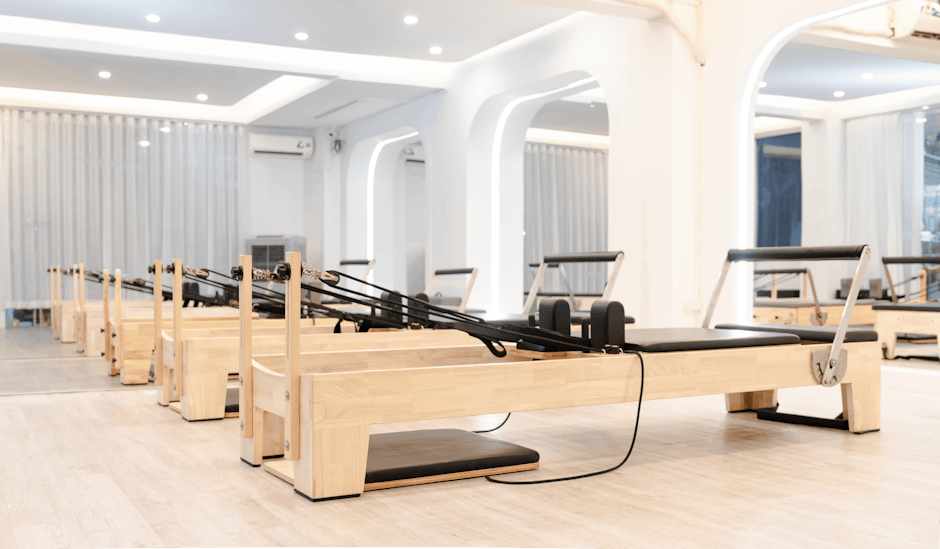
- Reformer Pilates studios have increased by 900% in the UK between 2024 and 2025, leading to concerns over safety and regulation.
- The lack of formal regulation in the UK allows unqualified instructors to teach reformer Pilates, putting clients at risk of injury.
- Reformer Pilates requires precise technique to avoid injury, making it a high-risk activity without proper training and certification.
- The UK has no legal requirement for certification, leaving consumers to vet their instructors in an unregulated landscape.
- The surge in popularity of reformer Pilates has sparked debates over the need for regulation to ensure safety, consistency, and accountability.
What happens when a niche fitness trend explodes overnight? Across the United Kingdom, reformer Pilates — once a boutique workout for the wellness elite — has surged into mainstream popularity, with studio numbers increasing nearly ten-fold between 2024 and 2025. This explosive growth has sparked a pressing question: should reformer Pilates be regulated to ensure safety, consistency, and accountability? As thousands of new clients flock to classes promising core strength, flexibility, and injury rehabilitation, concerns are mounting over unqualified instructors, inconsistent training standards, and the potential for physical harm. With no legal requirement for certification, the onus currently falls on consumers to vet their instructors — a risky proposition in an unregulated landscape.
Is Reformer Pilates Safe Without Regulation?

The short answer is: it depends — but the lack of formal regulation increases risk. Reformer Pilates, a form of resistance and flexibility training using a specialized machine called a reformer, requires precise technique to avoid injury. Unlike yoga or general fitness classes, the use of springs, straps, and sliding carriages introduces mechanical complexity that can lead to strain or joint damage if misused. While many instructors undergo rigorous training through private certification bodies like the Pilates Method Alliance or Polestar Pilates, there is no legal mandate in the UK requiring such credentials. This means anyone can open a studio or teach classes without proven expertise. Public Health England has noted a rise in musculoskeletal complaints linked to improperly guided reformer sessions, and medical professionals are now calling for baseline standards to protect consumers.
What Data Shows About the Pilates Surge

Industry data reveals an unprecedented spike in reformer Pilates businesses. According to figures from Companies House, the number of registered Pilates studios using reformers rose from approximately 120 in early 2024 to over 1,050 by mid-2025 — a 775% increase, with some estimates suggesting even higher numbers when pop-up and mobile studios are included. Market research firm Statista attributes the boom to social media influence, celebrity endorsements, and a post-pandemic focus on low-impact, holistic fitness. A BBC investigation found that nearly 40% of instructors at randomly sampled studios had completed fewer than 200 hours of training, below the 450-hour benchmark recommended by the UK Register of Exercise Professionals (UKREPs). Additionally, only 30% of studios were affiliated with recognized accreditation bodies, raising concerns about quality control.
Are Critics Overstating the Risks?

Not everyone agrees that regulation is the solution. Some fitness entrepreneurs argue that overregulation could stifle innovation and exclude passionate, self-taught instructors who deliver effective sessions. Sarah Lin, founder of FlexForm Pilates in Manchester, contends that “the market regulates itself — if a teacher is unsafe or unskilled, word spreads fast.” Others point out that injuries in reformer Pilates remain relatively rare compared to high-impact sports like rugby or football. Critics also note that many regulated fitness professions, such as personal trainers, still operate with minimal oversight and variable standards. They warn that mandating state-backed certification could increase costs, reduce accessibility, and disproportionately affect smaller studios in low-income areas. While safety is important, they argue, a one-size-fits-all regulatory approach may not be appropriate for a diverse and evolving wellness sector.
How This Affects Consumers and Communities

The real-world impact of this regulatory gap is already being felt. In Bristol, a 34-year-old client required physiotherapy after a session with an untrained instructor who misaligned resistance settings, leading to a lower back injury. In Glasgow, a studio closure left dozens of prepaid clients without recourse after the owner — who had no formal qualifications — abruptly shut down operations. These cases highlight not only physical risks but financial and emotional consequences as well. Meanwhile, qualified instructors express frustration at competing with uncertified peers who charge less due to lower training costs. This undermines professional standards and discourages investment in comprehensive education. Local councils in cities like Leeds and Brighton are now exploring voluntary accreditation schemes, but without national policy, consistency remains elusive.
What This Means For You
If you’re considering reformer Pilates, do your homework. Look for instructors certified by recognized organizations such as the Pilates Institute UK or Polestar, and ask how many training hours they’ve completed. Reputable studios often display credentials and offer introductory assessments to tailor exercises to your fitness level. While the workout offers real benefits — including improved posture, core stability, and rehabilitation support — the absence of regulation means consumer vigilance is essential. Pushing for industry standards doesn’t mean stifling access; it means ensuring safety and fairness for all.
As the UK grapples with how to balance innovation and safety in its booming wellness sector, one question remains: can self-regulation truly protect public health, or is it time for the government to step in? With reformer Pilates showing no signs of slowing, the answer may shape the future of fitness across the country.
Source: BBC