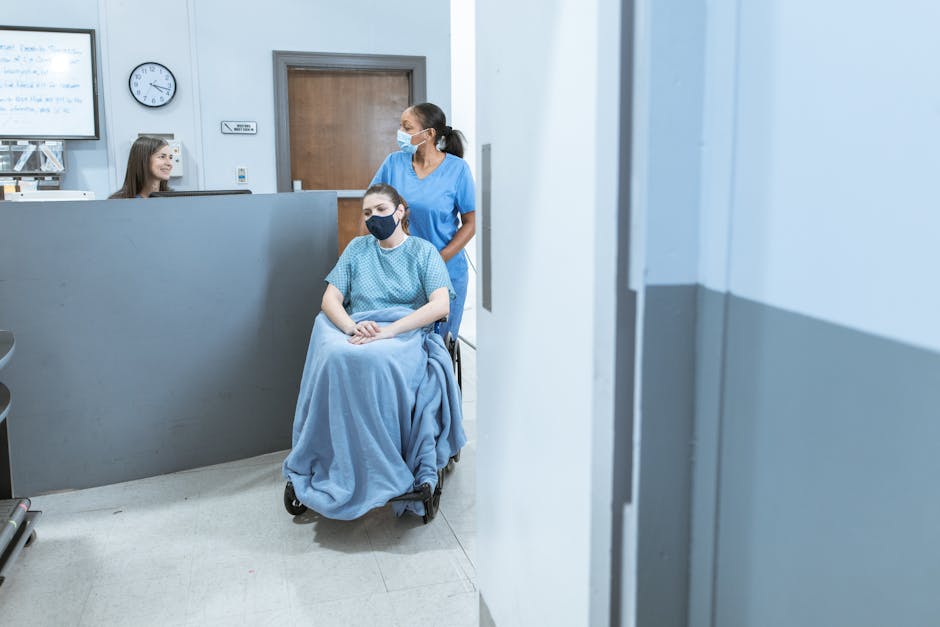
- Spinal cord injury is a devastating condition that severs communication between the brain and the body, leaving millions worldwide with paralysis.
- Restoring movement after spinal cord injury has been one of neuroscience’s most intractable problems, but recent breakthroughs offer new hope.
- The complexity of the spinal cord makes reversing paralysis a challenging task, with irreparable damage disrupting signals to affected individuals.
- European scientists are exploring innovative approaches to repair and regenerate the spinal cord, offering a potential for reversal.
- Recent studies and clinical trials in Europe have provided compelling evidence of a breakthrough in reversing spinal cord injury.
As medical science continues to advance, one question remains at the forefront of many people’s minds: can paralysis be reversed? Spinal cord injury (SCI) is a devastating condition that severs communication between the brain and the body, leaving millions worldwide with permanent paralysis. Despite decades of research, restoring movement after spinal cord injury has remained one of neuroscience’s most intractable problems, with many considering it an impossible feat. However, recent breakthroughs in Europe are redefining the possibilities and offering new hope for those affected.
Understanding the Challenge of Reversing Paralysis

The complexity of the spinal cord and its role in facilitating communication between the brain and the rest of the body makes reversing paralysis an extremely challenging task. When a spinal cord injury occurs, the damage can be irreparable, disrupting the flow of signals and leaving the affected individual with limited or no control over their movements. Traditionally, treatment options have focused on managing the symptoms and assisting patients in adapting to their condition, rather than attempting to reverse the damage. However, European scientists have been working tirelessly to change this narrative, exploring innovative approaches to repair and regenerate the spinal cord.
Evidence of a Breakthrough

Recent studies and clinical trials conducted in Europe have provided compelling evidence of a significant breakthrough in reversing paralysis. By utilizing cutting-edge technologies such as stem cell therapy, gene editing, and advanced prosthetics, researchers have been able to restore movement in patients with spinal cord injuries. According to scientific reports, these innovative treatments have shown remarkable promise, with some patients regaining significant control over their limbs. The progress made so far is a testament to the dedication and perseverance of the scientific community, and it marks a major milestone in the quest to overcome paralysis.
Counter-Perspectives and Challenges Ahead

While the breakthroughs achieved in Europe are undoubtedly groundbreaking, it is essential to acknowledge the counter-perspectives and challenges that still lie ahead. Some skeptics argue that the sample sizes of the clinical trials are too small, and more extensive research is needed to confirm the efficacy of these treatments. Others raise concerns about the potential risks and side effects associated with these innovative therapies. Furthermore, the high cost of these treatments and the limited accessibility to them pose significant challenges, making it imperative to address these issues to ensure that the benefits of this research are equitably distributed. As the World Health Organization emphasizes, it is crucial to consider the broader implications and ensure that any advancements are aligned with the needs and priorities of those affected.
Real-World Impact and Future Directions

The real-world impact of this breakthrough cannot be overstated, as it has the potential to transform the lives of millions of people worldwide. For individuals living with paralysis, the prospect of regaining movement and independence is a life-changing opportunity. Moreover, this achievement demonstrates the power of collaborative research and innovation, paving the way for further advancements in the field of neuroscience. As scientists continue to build upon this momentum, it is likely that we will see significant progress in addressing other complex neurological conditions, ultimately improving the human experience and enhancing our understanding of the intricate relationships between the brain, body, and technology.
What This Means For You
So, what does this breakthrough mean for you? If you or a loved one is affected by paralysis, it is essential to stay informed about the latest developments and advancements in treatment options. While these innovations are still in the early stages, they offer a beacon of hope for a future where paralysis is no longer an irreversible condition. By supporting continued research and raising awareness about the importance of addressing neurological disorders, we can collectively contribute to creating a world where individuals with paralysis have access to life-changing treatments and therapies.
As we move forward, one question remains: what other breakthroughs can we achieve by pushing the boundaries of medical science and technology? The answer to this question will depend on our ability to collaborate, innovate, and persevere in the face of complex challenges. By doing so, we can unlock new possibilities and create a brighter future for individuals affected by paralysis and other debilitating conditions, ultimately enhancing the human experience and redefining the limits of what is possible.
Source: MedicalXpress