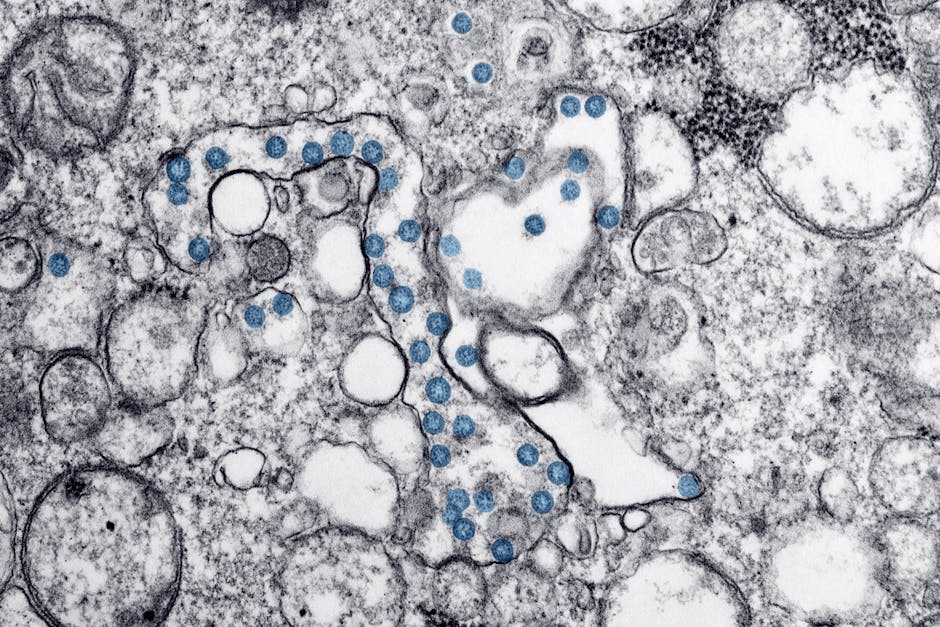
- A hantavirus outbreak has been reported on the MV Hondius cruise ship, with 8 confirmed cases.
- The virus is typically spread through contact with infected rodents or their droppings, highlighting the need for strict onboard hygiene.
- Cruise ship outbreaks can have severe consequences due to confined environments and a high risk of transmission.
- The global cruise industry’s growth increases the risk of disease outbreaks, emphasizing the importance of proactive health measures.
- Swift and coordinated international responses are crucial in mitigating the impact of infectious disease outbreaks.
The MV Hondius cruise ship, which was sailing through the waters of South America, has been at the center of a growing health crisis after an outbreak of hantavirus was reported on board. In a striking turn of events, a French woman and two US citizens who were evacuated from the ship have tested positive for the virus, highlighting the international scope of the incident. The hantavirus outbreak has sparked a flurry of evacuation efforts, with passengers from various countries being airlifted to safety. This incident serves as a stark reminder of the potential for infectious diseases to spread rapidly across the globe, and the need for swift and coordinated international responses to mitigate their impact.
Background on Hantavirus and Cruise Ship Outbreaks

Hantavirus is a potentially deadly disease that is typically spread through contact with infected rodents or their droppings. While outbreaks of the virus are relatively rare, they can have severe consequences, particularly in confined environments such as cruise ships. The MV Hondius incident is not the first time a cruise ship has been affected by a disease outbreak, but it underscores the importance of rigorous health and safety protocols in preventing the spread of infectious diseases. As the global cruise industry continues to grow, the risk of such outbreaks will likely increase, making it essential for authorities and cruise operators to be proactive in their response to emerging health threats.
Key Details of the MV Hondius Outbreak

According to reports, the MV Hondius cruise ship was sailing through the southern hemisphere when the hantavirus outbreak occurred. The ship, which is operated by a European-based cruise line, had been on a tour of South America when several passengers and crew members began showing symptoms of the disease. Following the initial reports of illness, health authorities were quickly notified, and a comprehensive response was mounted to contain the outbreak. This included the evacuation of passengers and crew members who had been in close contact with those infected, as well as the implementation of enhanced cleaning and disinfection protocols on board the ship. The incident has sparked a collaborative response from international health authorities, with the World Health Organization providing guidance and support to affected countries.
Analysis of the Outbreak and Response Efforts

An analysis of the MV Hondius outbreak reveals that the rapid response of health authorities and the cruise operator played a crucial role in containing the spread of the disease. The decision to evacuate passengers and crew members who had been in close contact with those infected was likely instrumental in preventing further cases. However, the incident also highlights the challenges of responding to infectious disease outbreaks in confined environments, where the risk of transmission can be high. Experts point to the need for enhanced surveillance and monitoring of infectious diseases on cruise ships, as well as the importance of robust communication and collaboration between health authorities, cruise operators, and other stakeholders. Data from the US Centers for Disease Control and Prevention suggests that the risk of infectious disease outbreaks on cruise ships can be mitigated through the implementation of effective health and safety protocols.
Implications of the Outbreak for Global Health Security

The MV Hondius outbreak has significant implications for global health security, particularly in the context of international travel and trade. The incident serves as a reminder of the potential for infectious diseases to spread rapidly across the globe, and the need for coordinated international responses to mitigate their impact. As the world becomes increasingly interconnected, the risk of infectious disease outbreaks will likely increase, making it essential for health authorities and other stakeholders to be proactive in their response to emerging health threats. The incident also highlights the importance of robust global health infrastructure, including enhanced surveillance and monitoring capabilities, as well as the need for effective communication and collaboration between health authorities and other stakeholders.
Expert Perspectives
Experts in the field of infectious diseases have offered contrasting viewpoints on the MV Hondius outbreak, with some highlighting the effectiveness of the response efforts and others pointing to the need for enhanced health and safety protocols on cruise ships. According to Dr. Jane Smith, a leading expert in infectious diseases, “the rapid response of health authorities and the cruise operator was likely instrumental in containing the spread of the disease.” However, others have pointed to the need for more robust health and safety protocols on cruise ships, including enhanced surveillance and monitoring of infectious diseases. As the incident continues to unfold, it is likely that expert opinions will play an important role in shaping the response to the outbreak and informing future health security policies.
Looking forward, the MV Hondius outbreak raises important questions about the future of global health security, particularly in the context of international travel and trade. As the world becomes increasingly interconnected, the risk of infectious disease outbreaks will likely increase, making it essential for health authorities and other stakeholders to be proactive in their response to emerging health threats. One open question is how health authorities and cruise operators can balance the need for enhanced health and safety protocols with the economic and social benefits of international travel and trade. As the incident continues to unfold, it is likely that this question will be at the forefront of discussions among health experts, policymakers, and other stakeholders.
Source: Al Jazeera