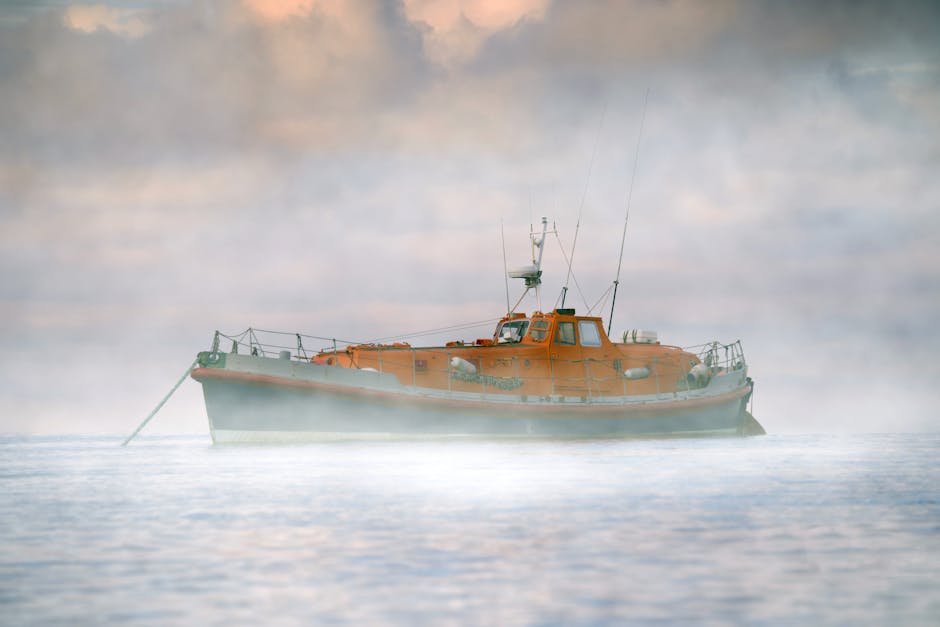
- A hantavirus outbreak occurred on the MV Hondius, a research vessel in Antarctica, affecting multiple crew members.
- The virus, typically carried by rodents, caused severe symptoms, including fever, respiratory distress, and kidney failure.
- Due to remote location and limited medical supplies, rapid tests and treatment were challenging to implement.
- The captain was forced to make an impossible choice between turning back into stormy seas or risking quarantine in isolation.
- Leadership and solidarity proved crucial in managing the crisis on the vessel.
Under a pale Antarctic twilight, the MV Hondius cut through ice-laden waters, its usual aura of scientific discovery replaced by an eerie silence. Inside the vessel’s cramped corridors, crew members moved in masks and gloves, their eyes weary from sleepless nights. What began as a routine research expedition to study glacial melt had spiraled into a medical emergency when three crew members fell violently ill—feverish, short of breath, their kidneys failing. By the time the ship’s medic suspected hantavirus, a rare and often deadly pathogen typically carried by rodents, six were infected and one lay in critical condition. With no port willing to grant immediate docking due to contagion fears, the captain faced an impossible choice: turn back into storm-laden seas or risk quarantine in isolation. It was in this crucible of cold and fear that leadership and solidarity became the ship’s only lifelines.
Outbreak Confirmed Amid Maritime Isolation

The first confirmed cases of hantavirus aboard the MV Hondius were reported on March 4, after a deckhand was hospitalized in the ship’s infirmary with acute respiratory distress. Rapid tests, limited by the vessel’s remote location and sparse medical kit, pointed to hantavirus pulmonary syndrome (HPS), a rare but lethal disease with a mortality rate exceeding 30%. With no antiviral treatment available and evacuation complicated by international health regulations, the captain enacted emergency protocols, isolating the sick in the lower deck and converting a storage room into a makeshift ICU. The nearest medical facility capable of handling such a case was over 1,200 nautical miles away in Ushuaia, Argentina. According to Reuters, the Argentine Navy coordinated a delayed air evacuation after confirming the virus strain was not airborne between humans—a critical distinction that eventually eased port access fears. Still, the outbreak exposed how vulnerable even well-equipped vessels are to zoonotic threats when far from shore.
From Rodent Infestation to Viral Spread

The origin of the outbreak traces back to a routine supply stop in Punta Arenas, Chile, two weeks before departure. Though standard pest inspections were conducted, investigators later found evidence of rodent activity in a cargo hold storing dried provisions. Hantaviruses are primarily transmitted through inhalation of aerosolized particles from infected rodent urine, droppings, or saliva—conditions easily met in confined, poorly ventilated ship compartments. This strain, genetically matched to the Andes virus variant (ANDV), is particularly concerning because, unlike most hantaviruses, it has documented cases of person-to-person transmission during acute phases. The MV Hondius, operated by a Dutch polar tourism company, had no prior history of rodent issues, but its extended voyages into subzero environments may have inadvertently attracted rodents seeking warmth. According to the U.S. Centers for Disease Control and Prevention, such outbreaks are rare but increasingly plausible as climate change alters animal migration and human activity expands into remote zones.
Crew Unity in the Face of Crisis

Captain Erik Visser, a veteran of over two decades in polar navigation, emerged as a central figure in containing the outbreak. In a recorded message later released to families and crew, he credited the ship’s survival to “discipline, courage, and the refusal to panic.” Medical duties were shared among a marine biologist with field trauma training and a volunteer nurse passenger, while engineers modified air filtration systems to reduce cross-contamination. The unity was not just operational but emotional—crew members held nightly briefings over the intercom, sharing updates and personal messages to boost morale. “We were not just fighting a virus,” Visser said. “We were fighting despair.” The outbreak tested not only medical preparedness but the psychological resilience of a community forced into crisis leadership. One crew member, who wished to remain anonymous, described the experience as “a test of human will in the most unforgiving environment on Earth.”
Repercussions for Maritime and Global Health

The MV Hondius incident has triggered a review of biosecurity standards for expeditionary vessels, particularly those operating in ecologically sensitive and isolated regions. Maritime law currently lacks mandatory zoonotic screening protocols for ships departing from endemic zones, such as southern Chile and Argentina, where hantavirus is sporadically reported. Insurance providers are now reassessing risk models, while tour operators face growing pressure to include epidemic response training in crew certifications. For global health agencies, the event underscores the fragility of disease containment in an age of increased polar travel and environmental disruption. With over 50,000 tourists visiting Antarctica annually, the potential for similar outbreaks—especially with pathogens that can spread between humans—poses a latent threat not just to ships, but to coastal communities where vessels dock.
The Bigger Picture
This outbreak is not merely a maritime anomaly—it’s a bellwether of how climate change, human encroachment, and global mobility are converging to amplify zoonotic risks. As polar ice recedes, new shipping routes open, and rodent habitats shift, the likelihood of pathogens crossing into human populations increases. The MV Hondius, designed for science and exploration, inadvertently became a case study in the vulnerabilities of modern expeditionary systems. Its story mirrors broader concerns raised by epidemiologists: that the next pandemic may not start in a dense urban center, but in a remote corner of the world, carried not by bats or birds, but by rats on a ship.
As the MV Hondius undergoes deep sanitization in dry dock, the crew has reunited with families, though trauma lingers. Captain Visser has called for an international task force on polar health security. Whether the maritime world listens may determine how—and whether—future crews survive the next invisible threat to emerge from the cold.
Source: Al Jazeera