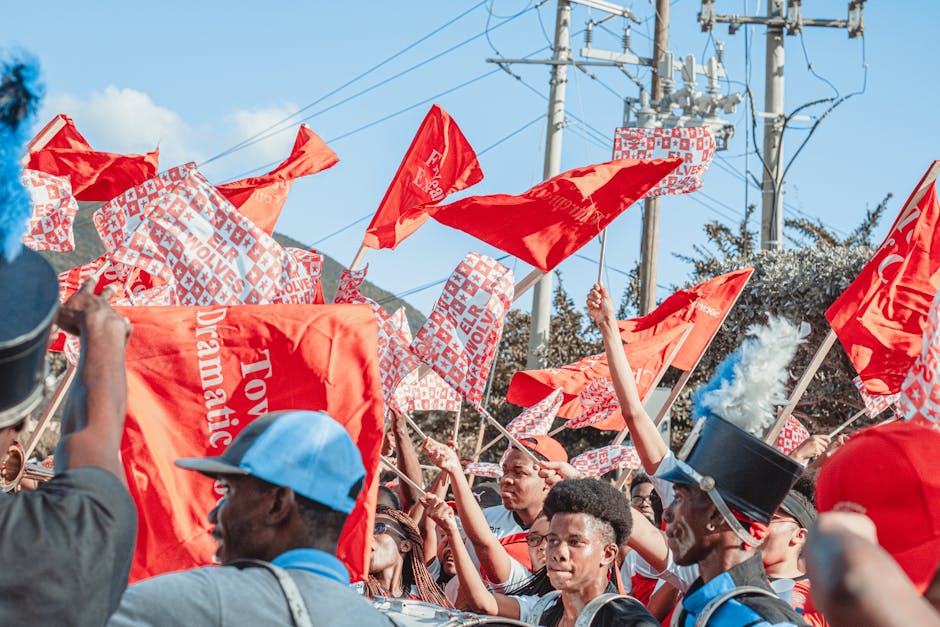
- 100,000 Barcelona fans celebrated the team’s La Liga title win in a massive street parade.
- The victory marked Barcelona’s first La Liga title since 2023 and their 27th in club history.
- The parade route spanned multiple districts of Barcelona, including the Arc de Triomf and the Gothic Quarter.
- 16-year-old winger Lamine Yamal sparked controversy with a subtle gesture, unfurling a Palestinian flag during the parade.
- The image of Yamal holding the flag quickly went viral on social media, sparking debate and attention.
Under a blazing Catalan sun, the streets of Barcelona shimmered with blaugrana. Confetti rained down on Las Ramblas as a sea of red-and-blue jerseys surged toward Plaça de Catalunya, their chants echoing between century-old facades. The city had transformed into an open-air cathedral of football devotion, where children perched on fathers’ shoulders and strangers embraced like kin. On the back of an open-top bus, players waved, danced, and hoisted the La Liga trophy above their heads—vindicated after a grueling season. But as the convoy edged forward, one image cut through the euphoria: 16-year-old Lamine Yamal, Barca’s prodigious winger, unfurling a small Palestinian flag beside star striker Robert Lewandowski. In that silent, fleeting moment, sport and geopolitics collided.
The Celebration That Turned Political

The parade, drawing an estimated 100,000 fans according to local authorities, marked Barcelona’s first La Liga title since 2023 and their 27th in club history. From the Arc de Triomf to the Gothic Quarter, the city erupted in celebration, with fans scaling lampposts and waving giant club banners. Yet amid the revelry, Yamal’s gesture quickly gained traction online. Footage circulated showing him holding the Palestinian flag aloft during the ride, a move captured by multiple news outlets and shared widely across social media. While teammates focused on the trophy, Yamal’s act stood out—subtle but unmistakable. Spanish broadcaster Reuters documented the moment, noting that it occurred shortly after midfielder Gavi waved a Catalan independence flag. By nightfall, the images had sparked debate across Europe and the Middle East, with some hailing the players’ solidarity and others accusing them of politicizing sport.
Roots of a Symbolic Stand

Yamal’s choice was neither random nor unprecedented. Born in Spain to a Moroccan father and an Equatorial Guinean mother with partial Palestinian ancestry, he has spoken sparingly about his heritage, but his familial ties to the broader Arab world are well documented. The display echoed a growing trend among European athletes, particularly those with Middle Eastern roots, to express support for Palestine amid the ongoing conflict in Gaza. In recent months, footballers across leagues—from Germany’s Bundesliga to England’s Premier League—have faced scrutiny for similar gestures, including armbands, social media posts, and on-field signs. FIFA’s regulations prohibit political statements during matches, but celebrations outside formal games occupy a grayer zone. Barcelona, long associated with Catalan identity and resistance, has a history of players engaging in political expression, from Johan Cruyff’s defiance of Franco-era restrictions to Gerard Piqué’s support for Catalan independence.
The Players Behind the Protest

Lamine Yamal, still a teenager, has rapidly ascended as one of football’s most electrifying talents—earning a senior debut for Spain at 16 and scoring crucial goals this season. His decision to display the flag appears rooted in personal identity as much as political stance. Teammate Gavi, known for his fiery temperament and nationalist pride, has previously worn symbols of Catalan separatism, suggesting a locker room culture that tolerates or even encourages expressions of identity. Coach Hansi Flick, newly arrived from Bayern Munich, has so far refrained from public comment, likely aware of the diplomatic minefield. Meanwhile, club leadership quietly distanced itself from the act, with a brief statement emphasizing that the parade was “about celebrating sport” and that individual actions “do not represent official positions.” Yet the damage—or, for others, the message—had already been delivered.
Repercussions Across Football and Beyond

The fallout has been swift and multifaceted. In Spain, right-wing politicians condemned the gesture, with one member of the Congress of Deputies calling for sanctions. In contrast, human rights groups and Palestinian advocacy organizations praised the players’ courage. The Spanish Football Federation has not opened a formal investigation, but precedent suggests possible UEFA or FIFA scrutiny if such acts occur during international fixtures. For Barca, already navigating financial instability and boardroom tensions, the incident adds reputational complexity. Sponsors may grow wary, while fans remain divided—some accusing the club of betraying Spanish unity, others lauding its moral stance. Most significantly, the moment underscores how modern athletes, especially young stars with global platforms, are increasingly seen not just as entertainers, but as cultural and political figures.
The Bigger Picture
This incident reflects a broader shift in sports, where athletic arenas are no longer neutral grounds but stages for global discourse. From Colin Kaepernick’s kneeling to Iranian women football fans defying dress codes, sports have long been intertwined with struggle. Yamal’s flag, though small, symbolizes a generation of athletes who view silence as complicity. In an era of hyper-visibility, every gesture is documented, dissected, and amplified. The fusion of identity, youth, and activism suggests that future celebrations may increasingly blur the line between joy and protest—particularly in clubs with strong regional or cultural identities like Barcelona.
What comes next remains uncertain. Yamal is unlikely to apologize, and Barcelona may choose to absorb the controversy rather than reprimand its rising star. As the Middle East conflict persists, so too will the pressure on public figures to take sides. The open-top bus has returned to the garage, but the image of a teenager holding a flag above a roaring crowd will linger—a quiet act with echoes far beyond the pitch.
Source: Al Jazeera