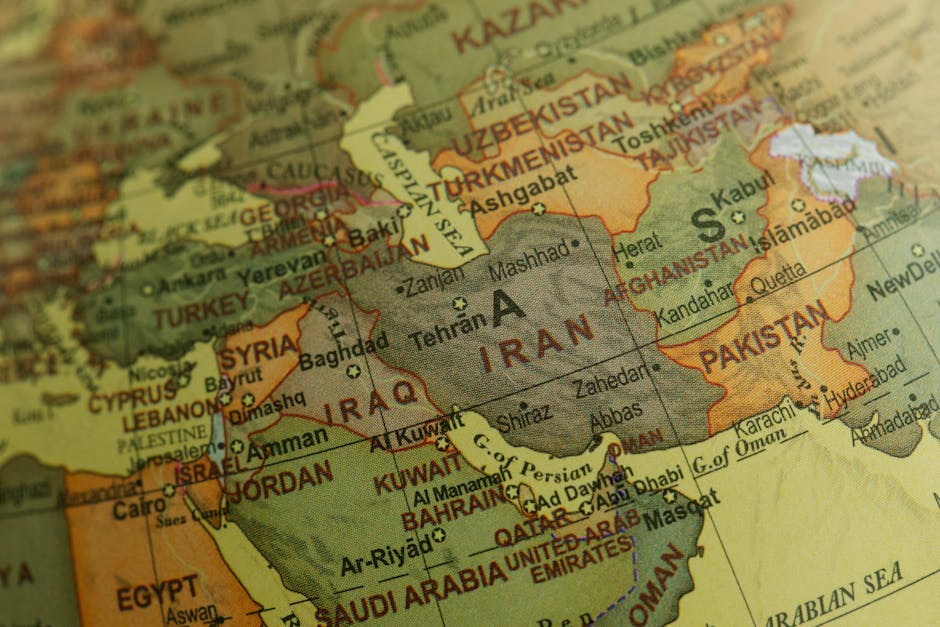
- The Strait of Hormuz is a critical waterway that connects the Persian Gulf to the Arabian Sea, carrying nearly 20% of the world’s oil.
- A US Navy blockade has been imposed in response to Iranian aggression, disrupting shipping lanes and forcing vessels to take longer routes.
- The blockade has already had a major impact on global oil prices, with prices rising by over 10% in the past week alone.
- The current situation is the latest escalation in a long-standing conflict between the US and Iran dating back to the 1979 Iranian Revolution.
- The conflict has seen a cycle of hostility between the two countries, with the US imposing economic sanctions on Iran and Iran responding with aggressive rhetoric and actions.
The Strait of Hormuz, a critical waterway that connects the Persian Gulf to the Arabian Sea, remains effectively blocked after a series of naval skirmishes between the US and Iran. A striking fact is that nearly 20% of the world’s oil passes through this narrow strait, making it a crucial chokepoint for global energy supplies. The US Navy’s blockade, which was imposed in response to Iranian aggression, continues to intercept ships trying to leave or enter Iranian ports, while fear of Iranian attacks keeps other ships from attempting passage through the narrows. This has resulted in a significant disruption to shipping lanes, with many vessels being forced to take longer, more expensive routes to avoid the area. According to a report by Reuters, the blockade has already had a major impact on global oil prices, with prices rising by over 10% in the past week alone.
Background to the Conflict

The current situation in the Strait of Hormuz is the latest escalation in a long-standing conflict between the US and Iran. The roots of the conflict date back to the 1979 Iranian Revolution, which saw the overthrow of the US-backed Shah and the establishment of an Islamic republic. Since then, the two countries have been locked in a cycle of hostility, with the US imposing economic sanctions on Iran and Iran responding with aggressive rhetoric and actions. The situation has been further complicated by the presence of other regional actors, including Saudi Arabia and the UAE, which have their own interests and agendas in the region. As noted by the BBC, the conflict has the potential to draw in other countries and escalate into a wider regional war.
Key Details of the Blockade

The US Navy’s blockade of the Strait of Hormuz is being enforced by a fleet of warships, including destroyers and cruisers, which are patrolling the area and intercepting any ships that attempt to pass through. The blockade is not just limited to Iranian ships, but also includes any vessels that are suspected of carrying Iranian oil or goods. The US Navy has also been conducting regular patrols of the area, using advanced surveillance technology to monitor shipping activity and detect any potential threats. According to a report by AP News, the US Navy has already intercepted several ships attempting to breach the blockade, including a tanker carrying Iranian oil to China.
Analysis of the Situation

The blockade of the Strait of Hormuz has significant implications for global energy supplies and the wider region. The disruption to shipping lanes has already had a major impact on oil prices, with prices rising by over 10% in the past week alone. The situation also has the potential to escalate into a wider conflict, drawing in other regional actors and causing further instability in the region. As noted by The New York Times, the conflict has already had a major impact on the global economy, with trade flows and investment being affected. The situation is being closely monitored by experts and policymakers around the world, who are warning of the potential for further escalation and calling for a diplomatic solution to the conflict.
Implications of the Blockade

The blockade of the Strait of Hormuz has significant implications for a wide range of stakeholders, including shipping companies, oil producers, and consumers. The disruption to shipping lanes has already had a major impact on oil prices, with prices rising by over 10% in the past week alone. The situation also has the potential to escalate into a wider conflict, drawing in other regional actors and causing further instability in the region. As noted by the Guardian, the conflict has already had a major impact on the global economy, with trade flows and investment being affected. The situation is being closely monitored by experts and policymakers around the world, who are warning of the potential for further escalation and calling for a diplomatic solution to the conflict.
Expert Perspectives
Experts are divided on the implications of the blockade, with some warning of the potential for further escalation and others calling for a diplomatic solution. According to Nature, some experts believe that the blockade is a necessary measure to prevent Iranian aggression, while others argue that it is a provocative move that will only serve to escalate the situation. As noted by Science Daily, the situation is complex and multifaceted, with a wide range of factors at play. Ultimately, a diplomatic solution will be needed to resolve the conflict and prevent further escalation.
Looking to the future, it is clear that the situation in the Strait of Hormuz will continue to be a major flashpoint in the region. The US and Iran will need to find a way to resolve their differences and prevent further escalation, or risk drawing in other regional actors and causing further instability. As noted by the CDC, the situation has significant implications for global health and security, and will need to be closely monitored by experts and policymakers around the world. The question on everyone’s mind is what will happen next, and whether the US and Iran can find a way to resolve their differences and prevent further conflict.
Source: The New York Times