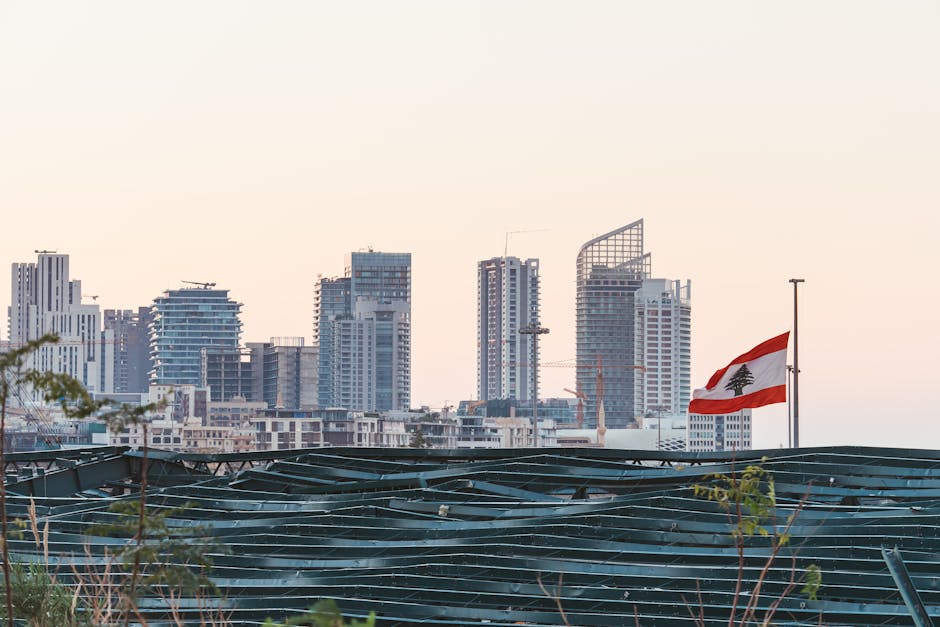
- Escalating tensions in the Middle East have led to Israeli attacks in southern Lebanon, resulting in civilian casualties.
- Israel claims security concerns and the need to protect its borders justify the strikes, while Lebanon views them as unwarranted aggression.
- Decades of conflict, territorial disputes, and external influence have contributed to the complex relationship between Israel and Lebanon.
- Militant groups in southern Lebanon are accused by Israel of using the region as a launchpad for attacks, further escalating tensions.
- International bodies have condemned the Israeli strikes, citing concerns for civilian safety and human rights.
As the Middle East continues to grapple with escalating tensions, a critical question on many minds is: what sparked the recent Israeli attacks in southern Lebanon, resulting in the loss of at least four lives? The strikes, which have been condemned by various international bodies, come on the heels of warnings issued to residents of nine towns in southern and eastern Lebanon, advising them of potential forced displacement due to the escalating conflict.
Understanding the Context of the Attacks

The direct answer to the question of what prompted these attacks lies in the complex and historically fraught relationship between Israel and Lebanon, compounded by recent increases in cross-border tensions. Israel has cited security concerns and the need to protect its borders as reasons for the strikes, while Lebanon views these actions as unwarranted aggression. The context is multifaceted, involving decades of conflict, disputes over territory, and the influence of external actors in the region. The situation is further complicated by the presence of militant groups, which Israel claims are using southern Lebanon as a launchpad for attacks.
Evidence and International Reaction

Data and quotes from both Israeli and Lebanese officials, as well as reports from Reuters and BBC, highlight the severity of the situation and the international community’s concern over the escalating violence. The United Nations has called for restraint from both parties, emphasizing the need to protect civilian lives and adhere to international law. The humanitarian impact, with reports of displaced persons and damage to infrastructure, underscores the urgent need for a diplomatic resolution to prevent further bloodshed.
Counter-Perspectives and Skepticism

Skeptics and those offering alternative views point out that the situation is not as clear-cut as it seems, with each side blaming the other for the initiation of hostilities. Some argue that Israel’s actions are disproportionate to the threat posed, while others contend that Lebanon is not doing enough to prevent militant activities within its borders. Edge cases, including the role of external actors such as Iran and the United States, further complicate the narrative, with some analysts suggesting that the conflict is also a proxy war for larger geopolitical interests. The complexity of these perspectives highlights the challenges in finding a peaceful resolution that satisfies all parties involved.
Real-World Impact and Consequences

The real-world impact of these attacks is stark, with concrete examples of destroyed homes, displaced families, and a heightened sense of fear among the civilian population. The consequences extend beyond the immediate humanitarian crisis, potentially destabilizing the already fragile political landscape of the region. Economic consequences, including damage to infrastructure and potential boycotts, could also have long-lasting effects on both Israel and Lebanon. Furthermore, the conflict threatens to draw in other regional actors, risking a broader and more devastating conflict.
What This Means For You
For readers looking to understand the implications of these events, the practical takeaway is the importance of staying informed about global conflicts and their potential to affect not just the regions in which they occur, but also international relations and global stability. As the situation in southern Lebanon continues to evolve, being aware of the historical context, the positions of the parties involved, and the international community’s response can provide a deeper understanding of the complexities at play.
Looking ahead, an open question remains: how can the international community effectively intervene to prevent further escalation and promote a lasting peace between Israel and Lebanon? The answer will likely involve a combination of diplomatic pressure, economic incentives, and a commitment to protecting human rights and international law. As the world watches the developments in this critical region, the hope is that a path to peace can be found, one that respects the rights and sovereignty of all nations involved.
Source: Al Jazeera