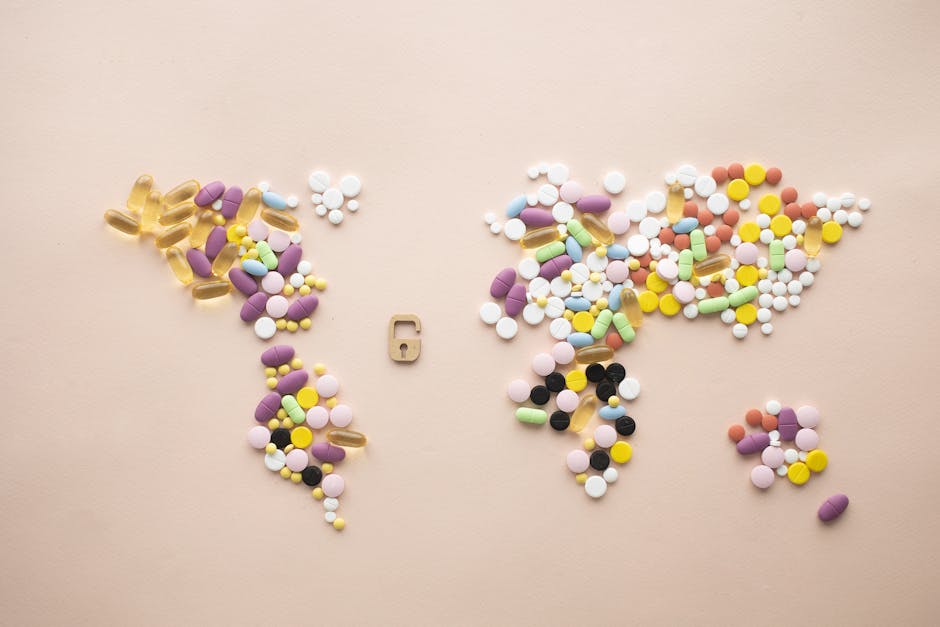
- A proposed WHO pandemic treaty collapsed due to accusations of neocolonialism and broken trust among global delegates.
- The draft treaty failed to guarantee equitable access to vaccines, therapeutics, and diagnostics during pandemics.
- Low-income countries were left without access to mRNA boosters, while high-income nations stockpiled them for their citizens.
- The treaty’s failure exposed a fracture line between science and justice, highlighting global inequality in health care.
- The WHO pandemic treaty negotiations were marked by a lack of cooperation and a failure to address intellectual property rights.
On a quiet street in downtown Harare, a pharmacist sweeps shattered glass from outside a clinic that ran out of pediatric pneumonia vaccines two months ago. Inside, mothers clutch thin folders containing their children’s immunization records, many missing crucial stamps. This scene—repeated across dozens of cities in the global south—is not the result of scientific failure, but of political one. While high-income nations stockpiled mRNA boosters and debated fourth doses, millions in low-resource countries waited for first-generation vaccines, if they arrived at all. The memory of those disparities now shadows every word spoken in the marble corridors of the World Health Organization, where, after five years of fraught negotiations, a proposed pandemic treaty lies in tatters, exposing a fracture line not of science, but of justice.
The Treaty That Couldn’t Hold

The draft WHO pandemic treaty, intended to create a binding global framework for future health emergencies, formally stalled in early 2024 amid accusations of neocolonialism and broken trust. Delegates from over 190 countries gathered in Geneva to finalize terms meant to ensure equitable access to vaccines, therapeutics, and diagnostics during pandemics. Yet the final text—shaped overwhelmingly by Western powers—failed to guarantee technology transfer or suspend intellectual property rights for patented medical tools. Instead, it leaned on voluntary donations and public-private partnerships, mechanisms that had already proven disastrous during the COVID-19 crisis. Countries like South Africa, Indonesia, and Nigeria rejected the proposal, arguing it repeated the same mistakes: leaving life-saving tools in the hands of a few wealthy nations and pharmaceutical giants while the rest waited.
How We Got Here: The Ghosts of COVAX

The roots of the treaty’s collapse trace back to the earliest days of the pandemic, when the COVAX initiative promised equitable vaccine distribution but delivered unevenly at best. Designed as a global solidarity mechanism, COVAX was quickly undermined by bilateral deals between rich nations and drug manufacturers. The U.S., U.K., and EU secured billions of doses in advance, leaving low-income countries dependent on delayed donations of soon-to-expire vials. According to a 2022 BMJ analysis, high-income countries administered booster shots while 98% of people in low-income nations remained unvaccinated into 2022. This “vaccine apartheid,” as South African officials called it, eroded faith in Western-led institutions. When treaty negotiations began, the global south demanded structural change—not charity. But key Western delegations resisted mandates on IP waivers or manufacturing decentralization, fearing economic fallout for pharmaceutical industries.
The People Shaping the Standoff

At the heart of the dispute are two divergent visions of global health governance. On one side are officials like Dr. John Nkengasong, former head of Africa CDC, who has long argued that Africa must produce its own vaccines to escape dependency. On the other are EU and U.S. negotiators, many tied to innovation policy frameworks that prioritize patent protection over access. Civil society groups, including Médecins Sans Frontières and Knowledge Ecology International, have backed the global south, accusing wealthy nations of “vaccine hoarding.” Meanwhile, pharmaceutical executives have lobbied fiercely behind the scenes, warning that compulsory licensing would deter future R&D. Yet leaders from India to Senegal counter that innovation without access is not progress—it’s exclusion. Their insistence on clauses for technology transfer and regional manufacturing hubs became non-negotiable, turning the treaty into a battleground over who controls medical sovereignty.
Consequences of a Collapsed Agreement

Without a binding treaty, the world remains unprepared for the next pandemic. Stockpiles, surveillance systems, and response protocols will continue to be fragmented, with the poorest nations bearing the greatest risk. The failure also weakens the WHO’s authority at a time when global coordination is most needed. Some countries are already forging independent paths: the African Union has pledged to build 15 new vaccine manufacturing plants by 2030, while India continues to expand its biotech infrastructure. But these efforts require time, investment, and access to know-how—resources still concentrated in the global north. Meanwhile, public trust in international institutions continues to erode, especially in regions that view the collapsed talks as confirmation of a two-tiered global order.
The Bigger Picture
This isn’t just about vaccines or treaties—it’s about whose lives are valued in global decision-making. The pandemic exposed a moral deficit in international health: the belief that innovation should serve markets, not people. Science can produce miracles, but without equity, those miracles remain inaccessible to most. The treaty’s failure is a symptom of a deeper illness: a system that rewards ownership over sharing, profit over preparedness. As climate change and zoonotic spillovers increase pandemic risks, the need for inclusive governance grows more urgent. The next crisis won’t care about patents. It will care about readiness—and who gets left behind.
What comes next remains uncertain. Informal talks continue, and some experts suggest a looser framework of political commitments may replace the binding treaty. But without enforceable mechanisms for equity, such gestures risk being symbolic. The global south has made clear: they don’t want promises. They want production rights, patents shared, and power rebalanced. Until those demands are met, the world’s pandemic preparedness will remain as fragile as the trust between its nations.
Source: The Guardian