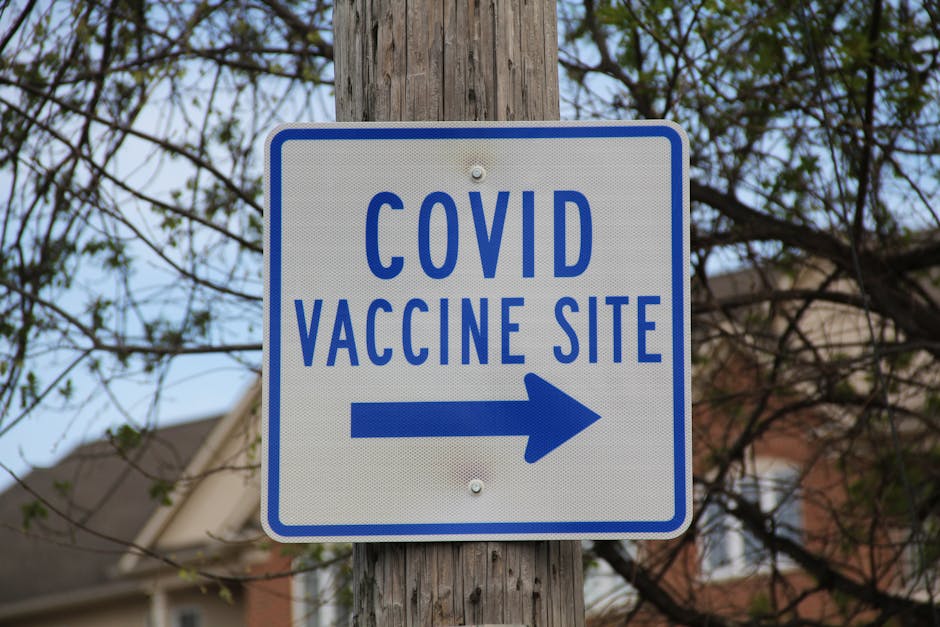
- Reframing vaccines as a means to regain personal freedoms can increase acceptance among hesitant individuals.
- A 2023 study found that messages emphasizing freedom were more effective at increasing vaccine willingness than those focused on social duty.
- The research, led by psychologists at the University of Southern California, analyzed responses from over 7,000 vaccine-hesitant adults.
- Public health campaigns should consider shifting the messaging to focus on personal empowerment rather than collective responsibility.
- The key to changing minds may lie in repositioning vaccines as tools for reclaiming freedom, rather than requirements.
Why do some Americans resist vaccination despite overwhelming scientific evidence supporting its safety and effectiveness? For years, public health campaigns have appealed to collective responsibility, urging individuals to get vaccinated for the greater good. Yet vaccine hesitancy persists, particularly in certain demographic and political groups. Now, researchers are asking whether the way we talk about vaccines might be part of the problem. Could shifting the messaging—away from obligation and toward personal empowerment—make a meaningful difference in uptake? Emerging evidence suggests that repositioning vaccines not as requirements but as tools for reclaiming freedom may be the key to changing minds.
Can Messaging Shape Vaccine Acceptance?

Yes—when vaccines are framed as a means to regain personal freedoms, acceptance among hesitant individuals increases significantly. A 2023 study published in Nature Human Behaviour found that messages emphasizing freedom—such as the ability to travel, gather safely, or live without restrictions—were more effective at increasing vaccine willingness than those focused on social duty or government recommendations. The research, led by psychologists at the University of Southern California, analyzed responses from over 7,000 vaccine-hesitant adults across multiple U.S. states. Participants exposed to freedom-based messaging showed a 12 to 18 percentage point increase in stated willingness to vaccinate compared to control groups. This effect was especially pronounced among political conservatives and rural residents, demographics traditionally more resistant to public health mandates.
What Evidence Supports the Freedom Framing Approach?

Multiple experiments and real-world pilot campaigns confirm that freedom-focused messaging resonates across ideological lines. In one field experiment, researchers partnered with local health departments to test two versions of vaccination outreach: one emphasizing community protection, the other highlighting regained personal liberties. The freedom-framed materials—featuring slogans like “Get Vaccinated. Get Back to Life”—yielded a 22% higher response rate in appointment bookings. According to Dr. Emily Falk, a communication neuroscientist at the University of Pennsylvania not involved in the study, “People are more likely to act when they feel agency. Framing vaccination as a step toward freedom taps into deeply held American values of autonomy and choice.” Further support comes from brain imaging studies showing that messages about personal control activate reward centers more strongly than those about obligation. These findings align with decades of behavioral science indicating that loss aversion and autonomy are powerful motivators—more so than abstract appeals to social good.
Are There Limits to the Freedom Framing Strategy?

Yes—while effective, freedom-based messaging is not a universal solution. Some public health experts caution that overemphasizing individual benefit may undermine collective action during outbreaks. Dr. Julia Marcus, an epidemiologist at Harvard Medical School, warns that framing vaccines solely as personal tools risks reinforcing hyper-individualism, potentially weakening solidarity in future health crises. Additionally, in communities with deep distrust of institutions, even freedom-focused messages may fall flat if they’re perceived as manipulative or insincere. For example, during the 2022 mpox outbreak, similar messaging had limited impact among Black and Latino gay men, who cited historical medical abuses and current healthcare inequities as greater barriers than messaging tone. Cultural context, timing, and messenger credibility also play critical roles—freedom appeals from government agencies may be less effective than those from trusted community leaders.
How Is This Approach Being Used in Real-World Campaigns?

Health departments in Texas, Arizona, and Florida have piloted freedom-centered campaigns with measurable success. In rural Texas, a billboard series reading “Your Shot at Freedom. Vaccinate.” was followed by a 30% increase in walk-in clinic visits over six weeks. Similarly, a social media campaign in Arizona targeting outdoor enthusiasts with messages like “Vaccinated? Hike mask-free with peace of mind” saw high engagement and conversion. These localized efforts work because they connect vaccination to activities people value—attending weddings, visiting grandparents, or traveling without quarantine. The Centers for Disease Control and Prevention (CDC) has since incorporated autonomy-focused language into its updated communication guidelines, advising health officials to highlight “what vaccination enables” rather than “what it requires.” This subtle but strategic shift reflects a broader evolution in public health messaging—from top-down mandates to empathetic, values-aligned dialogue.
What This Means For You
If you’re trying to encourage a hesitant friend or family member, lead with freedom, not fear or guilt. Emphasize the activities they can safely return to—dining indoors, attending concerts, or visiting loved ones—rather than abstract concepts like herd immunity. Tailor the message to their values: for some, it’s independence; for others, family safety. Public health is most effective when it speaks in a language people already understand. By aligning vaccination with deeply held personal values, we can build trust and increase uptake where mandates have failed.
Still, important questions remain: Can freedom framing work in global contexts where individualism is less emphasized? And how should public health balance personal autonomy with collective responsibility during emerging outbreaks? As new vaccines for diseases like RSV and universal flu formulas roll out, the answers could shape the future of global immunization efforts.
Source: Uh