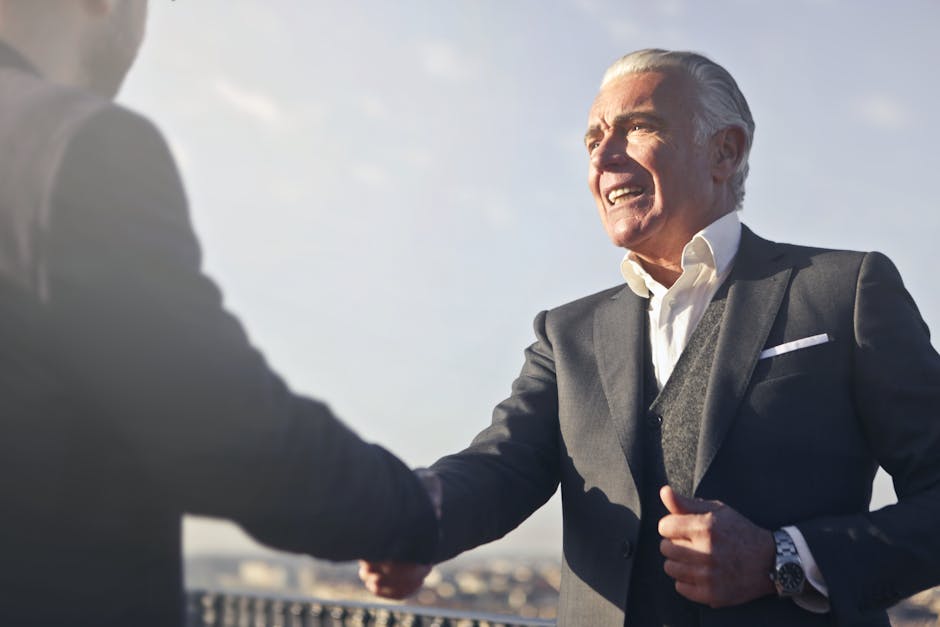
- Gerhard Schroeder, former German chancellor, maintains a close relationship with Vladimir Putin despite current geopolitical tensions.
- Putin has reportedly suggested Schroeder as a potential mediator in Ukraine peace talks, a move met with widespread skepticism.
- Schroeder’s past involvement in energy projects like Nord Stream solidified his ties with Russia and Putin’s regime.
- Kyiv and Western capitals view Schroeder’s connections to the Kremlin as hindering his ability to act as an impartial mediator.
- Schroeder’s current role contrasts sharply with his earlier reputation as a modernizing leader and bridge-builder between nations.
On a quiet street in Moscow’s diplomatic quarter, a familiar face from Europe’s political past walks unbothered through the winter haze—Gerhard Schroeder, Germany’s chancellor from 1998 to 2005, now a polarizing figure straddling the fault lines of post-Soviet geopolitics. Once hailed for modernizing Germany’s economy and forging a personal bond with Vladimir Putin, Schroeder is no longer a statesman but a symbol of a bygone era when energy deals smoothed over ideological rifts. Now, as war grinds on in Ukraine and diplomatic channels remain clogged, Putin has reportedly floated Schroeder’s name as a potential mediator. The suggestion lands not with hope, but with skepticism—a man once celebrated for bridge-building now seen by many in Kyiv and Western capitals as too entangled with the Kremlin to serve as an honest broker.
Putin’s Preferred Peace Mediator

Russian officials have quietly indicated that former German Chancellor Gerhard Schroeder could serve as a neutral intermediary in any future Ukraine peace negotiations, a claim that has drawn swift criticism from Ukrainian and NATO officials. While not an official appointment, the endorsement from Moscow underscores Schroeder’s enduring relationship with Vladimir Putin—a bond forged in the early 2000s during major energy projects like Nord Stream. According to reports from Reuters, Russian diplomats have cited Schroeder as a trusted figure capable of engaging both sides. Yet his current role as chairman of the board at Rosneft, the Russian state-controlled oil company, and his vocal opposition to Western sanctions make his neutrality questionable. Ukraine’s foreign ministry has dismissed the idea outright, calling Schroeder a “Kremlin loyalist” rather than a diplomat. Even within Germany, political leaders across the spectrum have distanced themselves from his influence, though his continued presence in elite circles reveals lingering divisions over how to engage with Russia.
The Origins of a Controversial Alliance

The Schroeder-Putin relationship began in earnest in 2001, shortly after Putin’s rise to power, and was rooted in mutual economic interest and personal rapport. Schroeder championed the Nord Stream 1 pipeline, a direct natural gas conduit from Russia to Germany under the Baltic Sea, arguing it would secure Europe’s energy future. In return, Putin granted Schroeder rare access and influence, cultivating an image of the German leader as a pragmatic dealmaker unburdened by Cold War suspicions. Their bond deepened over shared views on NATO expansion, which both men opposed, and a preference for bilateral diplomacy over multilateral pressure. After leaving office, Schroeder did not retreat into retirement but instead accepted lucrative positions with Russian energy giants, including Gazprom and Rosneft. By 2022, following Russia’s full-scale invasion of Ukraine, Germany expelled him from the Social Democratic Party’s honorary ranks, but Schroeder has maintained that his stance is one of dialogue, not allegiance.
The Man at the Center of the Storm

Gerhard Schroeder, now 80, remains an unrepentant advocate for engagement with Russia, framing sanctions as counterproductive and diplomacy as the only viable path forward. His motivations appear rooted in a belief that interdependence—particularly through energy—can prevent war, a philosophy he promoted long before the current conflict. Yet critics argue that his financial ties to Rosneft, where he reportedly earns millions annually, blur the line between advocacy and self-interest. On the other side, Putin likely sees Schroeder as a useful channel—not because he represents official German policy, but because he can relay messages to European elites while maintaining plausible deniability. Ukrainian officials, however, view him as complicit in enabling Russia’s energy leverage over Europe. For President Volodymyr Zelenskyy’s government, any peace talks mediated by Schroeder would lack legitimacy, regardless of his political pedigree.
Implications for Diplomacy and Trust

The suggestion of Schroeder as a mediator reveals more about Moscow’s diplomatic strategy than its genuine openness to peace. By promoting a figure with deep Russian ties, Russia may aim to fracture Western unity or test the limits of acceptable negotiation terms. For Ukraine, accepting Schroeder would risk undermining domestic morale and international support, particularly from the U.S. and Eastern European allies. Western diplomats warn that allowing figures with financial stakes in Russian enterprises to shape peace efforts could normalize corruption and weaken accountability. Moreover, it sets a dangerous precedent: that post-conflict mediation can be influenced by individuals whose loyalties are commercially, if not politically, aligned with one side. Trust, already in short supply, would erode further if negotiations appear stage-managed by those benefiting from the status quo.
The Bigger Picture
This episode reflects a broader challenge in modern conflict resolution: the blurring of lines between public service, private interest, and geopolitical influence. In an era where former leaders take corporate roles in adversarial states, the integrity of diplomacy is increasingly questioned. Schroeder’s case is not unique—other ex-leaders have faced scrutiny for post-office affiliations—but his closeness to Putin and timing amid war make it emblematic. It forces a reckoning with how personal relationships and economic entanglements can shape global events long after formal power ends. Peace cannot be brokered by those perceived as beneficiaries of war or enablers of aggression, no matter their past stature.
What comes next may not involve Schroeder directly, but his emergence as a suggested mediator signals that Russia is preparing for a phase of diplomatic maneuvering, even as fighting continues. Whether through backchannels or international forums, the war’s endgame will require actors with credibility on all sides—a bar Schroeder no longer meets. The real test will be whether new mediators can emerge—individuals untainted by conflict of interest and trusted by Ukraine, the West, and even segments of Russian civil society. Until then, the peace process remains as fractured as the front lines.
Source: Al Jazeera