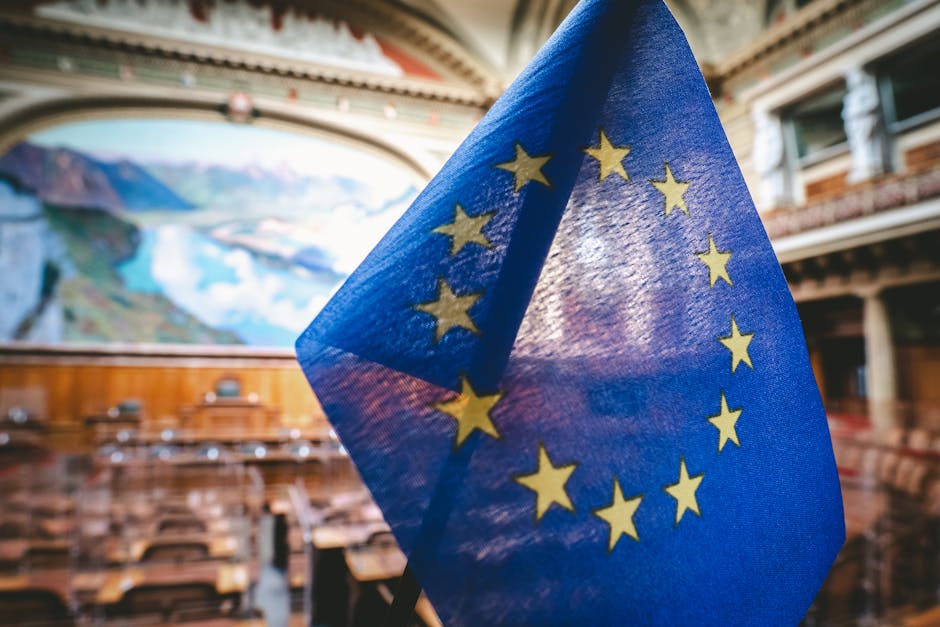
- The EU has restored full trade ties with Syria after 12 years, sparking global debate and discussion.
- The decision aims to support the Syrian people and promote regional stability, but its impact remains uncertain.
- The EU’s move sends a clear political signal of its commitment to re-engage with Syria, countering Russian and Iranian influence.
- The restoration of trade ties is expected to have economic benefits for Syria, but its benefits for the Syrian people are unclear.
- A comprehensive and inclusive political solution to the conflict remains a crucial condition for the EU’s decision to succeed.
The European Union’s decision to restore full trade ties with Syria has sparked intense debate and discussion globally. As the Syrian civil war has ravaged the country for over a decade, the international community has been questioning the best approach to support the Syrian people and promote regional stability. One of the most pressing questions on everyone’s mind is: what does the EU’s decision to lift sanctions and restore trade ties with Syria really mean, and how will it impact the war-torn country?
Understanding the EU’s Decision

The European Council’s decision to restore full trade ties with Syria is a significant shift in the EU’s policy towards the country. According to the European Council, the move sends a clear political signal of the EU’s commitment to re-engage with Syria. This decision aims to support the Syrian people and promote regional stability, while also acknowledging the need for a comprehensive and inclusive political solution to the conflict. The EU’s decision is also seen as a way to counterbalance the influence of other regional players, such as Russia and Iran, which have been actively involved in the Syrian conflict.
Supporting Evidence and Reactions

The EU’s decision has been backed by various data and quotes from key stakeholders. According to a report by the European Commission, the restoration of trade ties is expected to have a positive impact on the Syrian economy, which has been severely affected by the war. The report cites estimates that the Syrian economy has contracted by over 70% since the start of the conflict. Meanwhile, some experts have expressed caution, citing concerns about the potential for corruption and the need for strict monitoring of trade activities. As noted by the BBC, the EU’s decision has been met with skepticism by some human rights groups, which argue that the move may embolden the Syrian government and undermine efforts to hold it accountable for human rights abuses.
Counter-Perspectives and Criticisms

Not everyone is convinced that the EU’s decision to restore trade ties with Syria is the right move. Some critics argue that the decision may be premature, given the ongoing human rights concerns and the lack of a comprehensive political solution to the conflict. Others have expressed concerns about the potential for the Syrian government to exploit the renewed trade ties for its own benefit, rather than using them to support the Syrian people. As noted by Amnesty International, the EU’s decision may be seen as a reward for the Syrian government’s brutal suppression of the opposition, rather than a genuine attempt to support the Syrian people. These concerns highlight the need for careful consideration and ongoing monitoring of the situation.
Real-World Impact and Consequences

The EU’s decision to restore trade ties with Syria is expected to have significant real-world consequences. In the short term, the move is likely to lead to an increase in trade and economic activity, which could help to support the Syrian people and promote regional stability. However, the long-term consequences of the decision are less clear, and will depend on a range of factors, including the Syrian government’s willingness to engage in meaningful political reforms and the international community’s ability to monitor and enforce strict trade standards. As the situation continues to evolve, it will be important to watch for concrete examples of how the EU’s decision is impacting the ground, and to consider the potential consequences for the Syrian people and the wider region.
What This Means For You
So what does the EU’s decision to restore trade ties with Syria mean for the average person? In practical terms, the move is likely to have a limited direct impact on most people’s daily lives. However, the decision does reflect a broader shift in the international community’s approach to the Syrian conflict, and highlights the need for a more nuanced and comprehensive understanding of the complex issues at play. As the situation continues to evolve, it will be important to stay informed and to consider the potential implications of the EU’s decision for the Syrian people, the wider region, and the global community.
As we move forward, one of the key questions that remains to be answered is: how will the EU’s decision to restore trade ties with Syria ultimately impact the country’s fragile peace process, and what role will the international community play in supporting a sustainable and inclusive solution to the conflict? As the situation continues to unfold, it will be important to watch for further developments and to consider the potential implications of the EU’s decision for the Syrian people and the wider region.
Source: Al Jazeera