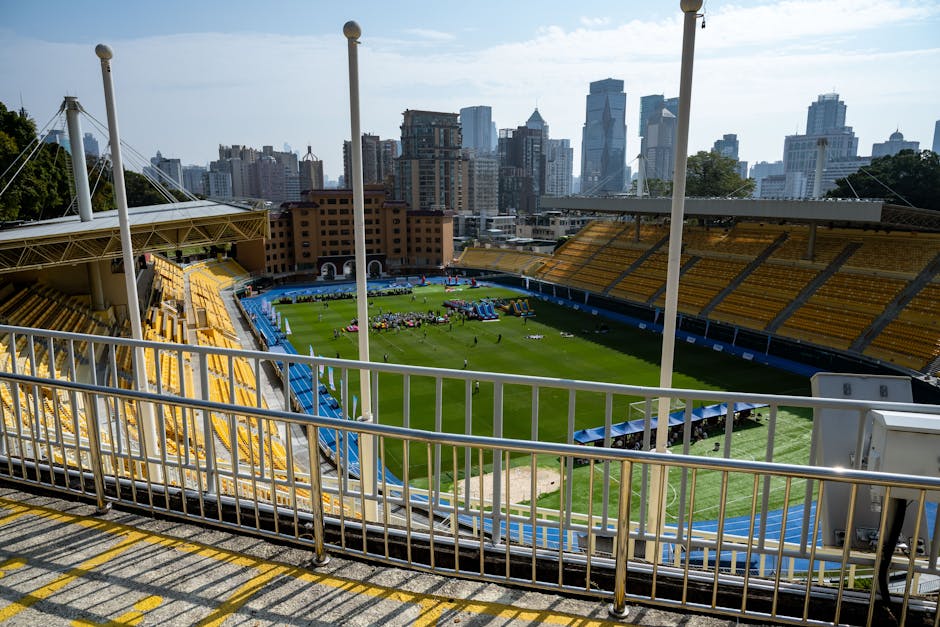
- FIFA is still in negotiations with broadcasters in China and India over broadcasting rights for the 2026 World Cup.
- The negotiations have been ongoing for months, causing uncertainty among fans and organizers.
- Multiple broadcasters in China and India are vying for the rights to air the tournament.
- FIFA is seeking a significant increase in broadcasting fees, leading to a stalemate in negotiations.
- Fans in China and India are facing an uncertain future regarding their ability to watch the tournament locally.
The 2026 World Cup is just around the corner, and the excitement is palpable. The tournament, which promises to be the most U.S. tournament ever, with a record 48 teams participating, is expected to draw in millions of viewers from around the world. However, behind the scenes, FIFA is still haggling with broadcasters in China and India over the broadcasting rights for the tournament. The negotiations have been ongoing for months, with both parties unable to come to an agreement. As the clock ticks down to the start of the tournament, the uncertainty surrounding the broadcasting rights is causing concern among fans and organizers alike.
Current Broadcasting Landscape

The current situation is complex, with multiple broadcasters in China and India vying for the rights to air the tournament. In China, state-owned broadcaster CCTV is leading the charge, while in India, private broadcasters such as Sony and Star Sports are in the running. However, FIFA is holding out for a better deal, citing the huge popularity of the tournament and the potential for massive revenue generation. The organization is reportedly seeking a significant increase in broadcasting fees, which has led to a stalemate in negotiations. As a result, fans in China and India are facing an uncertain future, with no guarantee that they will be able to watch the tournament on their local channels.
A Brief History of World Cup Broadcasting

The story behind the current broadcasting impasse is a long and complex one. The World Cup has a long history of being broadcast around the world, with the first tournament being aired in 1930. Over the years, the broadcasting rights have become increasingly valuable, with FIFA seeking to maximize revenue from the tournament. In recent years, the organization has faced challenges in securing broadcasting deals in certain markets, including China and India. The rise of new media platforms and the increasing popularity of the tournament have added to the complexity of the negotiations, making it harder for FIFA to reach agreements with broadcasters.
The Key Players Involved

The negotiations between FIFA and the broadcasters in China and India are being shaped by a number of key players. In China, the state-owned broadcaster CCTV is playing a major role, while in India, private broadcasters such as Sony and Star Sports are leading the charge. FIFA, on the other hand, is being represented by its Secretary General, Fatma Samoura, who is known for her tough negotiating style. The broadcasters are also being advised by a number of consultants and lawyers, who are helping to navigate the complex negotiations. As the negotiations continue, the motivations of the key players are becoming clearer, with FIFA seeking to maximize revenue and the broadcasters looking to secure the best possible deal.
Consequences of the Broadcasting Impasse

The consequences of the broadcasting impasse are significant, with fans in China and India facing the possibility of missing out on the tournament. The uncertainty surrounding the broadcasting rights is also causing concern among sponsors and advertisers, who are worried about the potential impact on their investments. If a deal is not reached, it could also have a negative impact on the tournament itself, with lower viewership numbers and reduced revenue generation. As the clock ticks down to the start of the tournament, the pressure is mounting on all parties to reach an agreement, with the fate of the tournament hanging in the balance.
The Bigger Picture
The broadcasting impasse surrounding the 2026 World Cup is not just a local issue, but also has broader implications for the sports industry as a whole. The rise of new media platforms and the increasing popularity of sports tournaments are changing the way that broadcasting rights are negotiated and sold. The current impasse is a sign of the challenges that lie ahead, as sports organizations and broadcasters navigate the complex and ever-changing media landscape. As FIFA and the broadcasters in China and India continue to negotiate, they are also setting a precedent for future broadcasting deals, which will have a significant impact on the sports industry in the years to come.
In the end, the outcome of the broadcasting negotiations will have a significant impact on the success of the 2026 World Cup. If a deal is reached, it will ensure that the tournament is broadcast to millions of fans in China and India, generating significant revenue and promoting the sport. However, if the negotiations fail, it could have a negative impact on the tournament and the sports industry as a whole. As the world waits with bated breath for the outcome of the negotiations, one thing is certain – the 2026 World Cup will be a tournament like no other, with the broadcasting rights playing a crucial role in its success.
Source: The New York Times