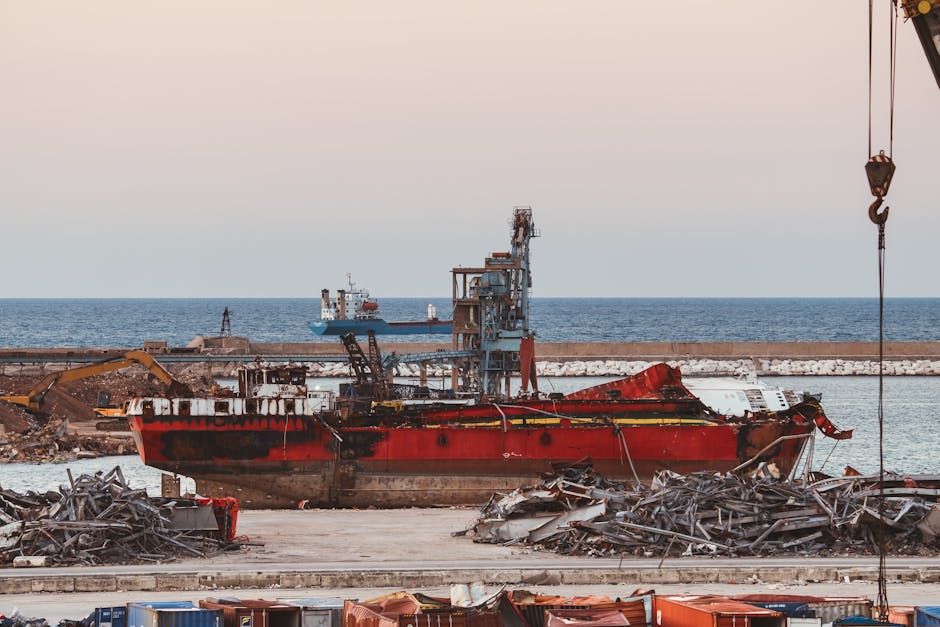
- A Korean-operated cargo vessel was struck by two unidentified flying objects in the Strait of Hormuz on May 4.
- No casualties or oil leakage were reported from the incident, but it has raised alarms over maritime security.
- The incident has escalated regional tensions, with Iran detaining the ship’s captain shortly after the event.
- South Korea is investigating the nature of the objects and whether the strike was deliberate or accidental.
- The attack highlights concerns over the safety and security of shipping lanes in the Strait of Hormuz.
South Korea is investigating a May 4 incident in which a Korean-operated cargo vessel was struck by two unidentified flying objects in the strategically vital Strait of Hormuz. Initial reports confirm no casualties or oil leakage, but the attack has raised alarms over maritime security in one of the world’s busiest shipping lanes. With Iran reportedly detaining the ship’s captain shortly after the event, Seoul faces mounting pressure to clarify the nature of the objects and determine whether the strike was deliberate or accidental, amid escalating regional tensions.
What the Evidence Reveals

According to the South Korean Ministry of Oceans and Fisheries, the Hankuk Chemi, a 7,000-ton chemical tanker registered in the Marshall Islands but operated by a Korean firm, was struck around 5:30 a.m. local time while transiting the Strait of Hormuz. Crew members reported hearing loud impacts and seeing objects hitting the ship’s hull and engine room, though no explosion or fire occurred. Satellite data from Reuters and maritime tracking platforms show the vessel deviated from its route and was intercepted by Iranian patrol boats shortly after. South Korea confirmed the captain, a 44-year-old Indian national, was detained by Iran’s Revolutionary Guard Corps. While Tehran claimed the detention was due to environmental violations, Seoul disputes this, citing the timing and the presence of airborne impacts as evidence of a more complex incident.
Key Players and Their Motivations

The central actors include South Korea, Iran, the United States, and international maritime coalitions operating in the Gulf. Iran has denied involvement in any attack, but its history of seizing foreign vessels during diplomatic disputes raises suspicions. Notably, the Hankuk Chemi incident occurred days after South Korea froze approximately $7 billion in Iranian oil assets held in Korean banks, a move tied to U.S. sanctions over Iran’s nuclear program. Iran has repeatedly demanded the release of these funds. Meanwhile, the U.S. Fifth Fleet, which oversees naval operations in the region, has increased surveillance but stopped short of assigning blame. South Korea, traditionally a cautious diplomatic actor, is balancing its alliance with Washington against its need to protect commercial interests and citizens abroad.
Strategic Trade-Offs and Regional Risks

The incident underscores the fragile equilibrium in Persian Gulf maritime security, where commercial shipping accounts for nearly 20% of global oil trade. A confirmed attack using unidentified aerial objects—potentially drones or guided projectiles—would mark a dangerous escalation in asymmetric naval tactics. For South Korea, the trade-offs involve economic exposure versus diplomatic leverage: releasing the Iranian funds could secure the crew’s release but may be seen as rewarding coercion. Conversely, maintaining the freeze risks further retaliation. Regionally, the event threatens to destabilize shipping insurance rates and prompt other nations to increase naval escorts. It also highlights the vulnerability of non-military vessels to hybrid warfare tactics, where attribution is difficult and escalation thresholds are blurred.
Why This Incident Is Happening Now

The timing coincides with stalled negotiations over the revival of the 2015 Iran nuclear deal (JCPOA), with Tehran growing impatient over sanctions relief. South Korea’s refusal to unfreeze assets—despite months of Iranian appeals—has made it a target of pressure. Moreover, the use of ambiguous tactics like unidentified flying objects allows plausible deniability, a hallmark of modern gray-zone conflict. Unlike overt attacks, such incidents avoid triggering formal military responses while still achieving coercive effects. The Strait of Hormuz, a 21-mile-wide chokepoint, has long been a flashpoint, but the increasing sophistication of drone and surveillance technology has lowered the barrier for disruptive actions by state and non-state actors alike.
Where We Go From Here
In the next six to twelve months, three scenarios are plausible. First, a diplomatic resolution could emerge if South Korea agrees to partially release Iranian funds in exchange for the crew’s release and a joint investigation, likely mediated by Qatar or Oman. Second, the incident could spiral into a broader crisis if further attacks occur, prompting a multinational naval response or triggering insurance clauses that spike global energy costs. Third, the event may fade from headlines without clear attribution, setting a precedent for future ambiguous strikes that erode maritime norms. Each path hinges on Iran’s strategic calculus, Seoul’s willingness to negotiate under duress, and the level of U.S. involvement.
Bottom line — while no casualties occurred, the strike on the Hankuk Chemi represents a significant escalation in maritime hybrid warfare, testing international responses to ambiguous attacks in critical global chokepoints.
Source: Al Jazeera