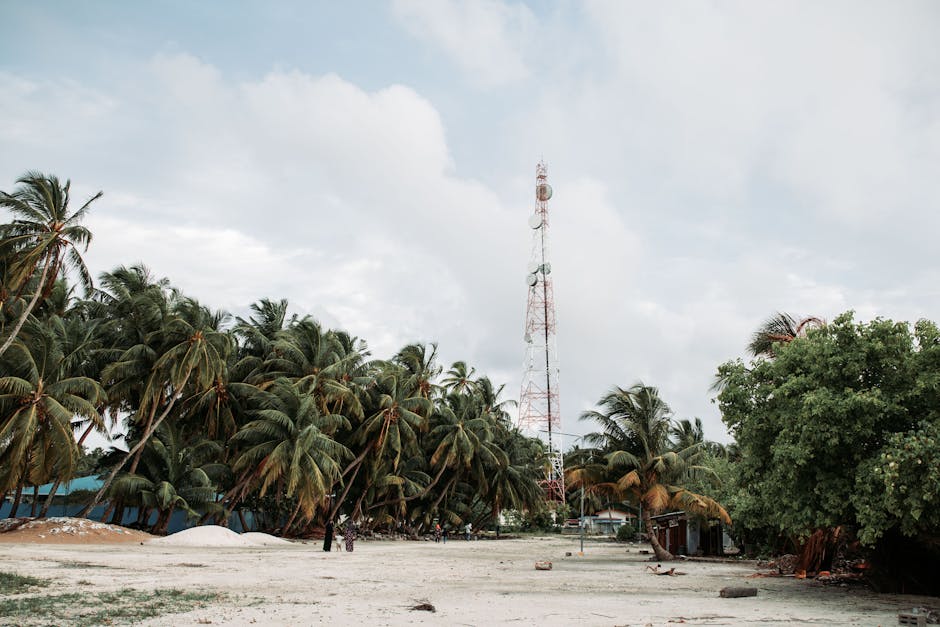
- The WHO Director-General is directly addressing the people of Tenerife due to the gravity of the hantavirus situation.
- Hantavirus outbreaks have historically occurred in rural and forested regions, but the potential for localized transmission in new environments is a concern.
- A vessel with suspected hantavirus cases near Santa Cruz de Tenerife has triggered a rapid response from local and national health authorities.
- The WHO is providing technical support to local health authorities to respond to the outbreak.
- The Director-General is emphasizing the importance of trust in public health and reassuring the community that they are not alone.
To the people of Tenerife, my name is Tedros Adhanom Ghebreyesus, and I am the Director-General of the World Health Organization. It is rare for me to address a single community directly, but these are not ordinary times. I am speaking to you not as a bureaucrat or a distant official, but as a fellow human being who understands fear, uncertainty, and the deep desire to protect one’s family. I know that the sight of a ship under quarantine off your coast, the whispers of an unfamiliar disease, and the sudden surge of media attention have stirred anxiety. Hantavirus is not a household name like influenza or COVID-19, but it is real, it is serious, and it demands our respect — not panic. My message to you today is simple: you are not alone.
A Moment of Unprecedented Outreach

This direct appeal reflects the gravity of the situation and the importance of trust in public health. While hantavirus outbreaks have historically been confined to rural and forested regions of the Americas, Asia, and parts of Europe, the potential for localized transmission in new environments cannot be dismissed. The arrival of a vessel with suspected cases near Santa Cruz de Tenerife has triggered a rapid response from regional and national health authorities, supported by WHO technical teams on the ground. What makes this moment unique is not just the virus, but the level of global attention and the emotional toll on a community suddenly in the spotlight. The WHO does not intervene lightly in local health matters, but when cross-border risks emerge and public fear threatens to outpace facts, our duty is to step forward with clarity and compassion.
The Situation on the Ground

The vessel in question, a cargo ship that docked under medical advisory protocols, had reported several crew members exhibiting symptoms consistent with hantavirus pulmonary syndrome (HPS), including fever, muscle aches, and respiratory distress. Immediate isolation and diagnostic testing were initiated by Spanish health officials, with samples analyzed at the National Microbiology Centre in Madrid. While preliminary results are pending, enhanced surveillance has been activated across Tenerife, particularly in port areas and nearby communities. No local transmission has been confirmed to date. Health workers are conducting contact tracing, distributing protective equipment, and launching public education campaigns in multiple languages to reach both residents and tourists. The Canary Islands Health Service has assured the public that hospital surge capacity is prepared, and antiviral treatments, though limited, are available for severe cases under strict protocols.
Understanding the Science of Hantavirus

Hantaviruses are a family of rodent-borne viruses that can cause two primary syndromes in humans: hemorrhagic fever with renal syndrome (HFRS) in Eurasia and hantavirus pulmonary syndrome (HPS) in the Americas. Transmission occurs primarily through inhalation of aerosolized particles from infected rodent urine, droppings, or saliva — not through person-to-person spread, with the rare exception of the Andes virus strain. According to the World Health Organization, the global case fatality rate for HPS ranges from 30% to 40%, making early detection and supportive care critical. While Tenerife has no known endemic hantavirus reservoirs, the risk lies in the introduction of infected rodents via shipping containers or ballast. Environmental health teams are now inspecting port facilities and conducting rodent control operations in high-risk zones to prevent establishment of new colonies.
Implications for Tenerife and Beyond

The stakes extend beyond public health. Tenerife’s economy relies heavily on tourism, and the perception of risk can be as damaging as the virus itself. Misinformation spreads faster than pathogens, and social media has amplified unfounded fears of a looming epidemic. Local businesses, especially in hospitality and travel, are already reporting cancellations. The psychological burden on residents, particularly those with preexisting health conditions, cannot be ignored. This is why transparency is non-negotiable. The WHO is working with Spanish authorities to ensure daily updates are clear, consistent, and accessible. Our goal is not only to contain a potential outbreak but to preserve the social and economic fabric of this vibrant island community.
Expert Perspectives
Dr. Maria Van Kerkhove, WHO’s technical lead for emerging diseases, emphasized that “the risk to the general public remains low, provided preventive measures are followed.” However, some epidemiologists urge caution. Dr. Christian Drosten, a virologist at Charité in Berlin, noted in a recent Nature commentary that climate change and increased global shipping may expand the geographic range of rodent vectors, potentially introducing hantaviruses to new regions. While most experts agree that person-to-person transmission is unlikely, the Andes virus precedent in South America underscores the need for vigilance.
Looking ahead, the coming weeks will be critical. The WHO and Spanish health authorities will continue monitoring for new cases, refining risk assessments, and supporting community engagement. Research into hantavirus vaccines remains in early stages, but international collaboration is accelerating. For the people of Tenerife, my message remains unchanged: stay informed through official sources, follow public health guidance, and take pride in the resilience you have shown. This is not the beginning of a crisis — it is a test of preparedness, and together, we will meet it.
Source: WHO