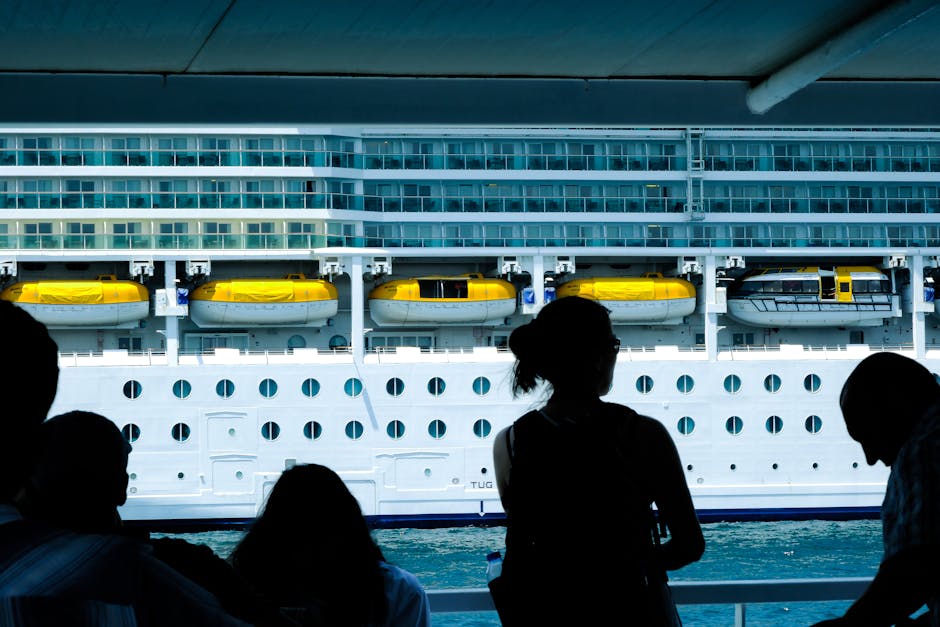
- A hantavirus strain that can spread between humans has been found in two cruise ship passengers.
- The Andes strain is highly contagious and has been linked to several outbreaks in South America.
- The World Health Organization is closely monitoring the situation for potential implications on global public health.
- The hantavirus outbreak on the cruise ship has raised concerns about human-to-human transmission.
- The Andes strain has a high mortality rate in outbreaks, making it a growing concern for public health officials.
A striking fact has emerged in the realm of public health: a hantavirus strain that can spread between humans has been found in two cruise ship passengers. This discovery has sent shockwaves throughout the medical community, as hantavirus is typically transmitted to humans through contact with infected rodents or their droppings. The Andes strain, which is the specific variant found in the two confirmed cases, is known to be highly contagious and has been linked to several outbreaks in South America. The World Health Organization (WHO) has been monitoring the situation closely, and experts warn that this could be a potential game-changer in the fight against infectious diseases.
Hantavirus Outbreak: A Growing Concern

The hantavirus outbreak on the cruise ship has raised concerns about the potential for human-to-human transmission. The fact that two cases have been confirmed in South Africa, a country with a well-developed healthcare system, suggests that the virus may be more widespread than initially thought. The Andes strain is particularly worrisome, as it has been shown to have a high mortality rate in outbreaks. According to the Centers for Disease Control and Prevention (CDC), hantavirus can cause a range of symptoms, from mild to severe, including fever, headache, and respiratory distress. As the situation continues to unfold, health officials are urging citizens to take precautions and be aware of the risks associated with hantavirus.
Key Details of the Outbreak

The two confirmed cases of hantavirus are linked to a cruise ship that traveled to several ports in South America. The passengers, who have not been named, were hospitalized after showing symptoms of the disease. Health officials have been working to identify the source of the outbreak and contain its spread. The cruise ship has been quarantined, and all passengers and crew members are being monitored for signs of illness. The South African health ministry has confirmed that the Andes strain is the cause of the outbreak, and experts are working to determine how the virus was transmitted between humans. Investigations are ongoing, but it is clear that this outbreak has the potential to be a major public health concern.
Analysis of the Hantavirus Strain

Experts have been analyzing the Andes strain of hantavirus to understand its characteristics and behavior. The virus is known to be highly contagious and can be spread through contact with infected bodily fluids, such as saliva and urine. The fact that it has been found in two cruise ship passengers suggests that human-to-human transmission may be more common than previously thought. According to a study published in the Nature journal, the Andes strain has a unique genetic makeup that allows it to adapt quickly to new environments. This adaptability, combined with its high contagiousness, makes the Andes strain a potentially significant threat to public health.
Implications of the Outbreak

The implications of the hantavirus outbreak are far-reaching and have significant consequences for public health. If the Andes strain is indeed capable of human-to-human transmission, it could lead to a rapid spread of the disease, potentially resulting in a pandemic. The fact that the outbreak occurred on a cruise ship, which is a confined and highly social environment, raises concerns about the potential for widespread transmission. Health officials are urging citizens to take precautions, such as avoiding contact with infected individuals and practicing good hygiene, to reduce the risk of transmission. The WHO has also issued guidelines for healthcare workers and travelers to minimize the risk of exposure.
Expert Perspectives
Experts in the field of infectious diseases have weighed in on the hantavirus outbreak, offering contrasting viewpoints on the potential risks and consequences. Some experts believe that the outbreak is a wake-up call for the medical community, highlighting the need for increased vigilance and preparedness in the face of emerging diseases. Others argue that the risks associated with hantavirus are being overstated, and that the outbreak can be contained through effective public health measures. Dr. Maria Van Kerkhove, an expert in infectious diseases at the WHO, notes that “the situation is being closely monitored, and we are working to understand the dynamics of the outbreak.”
As the situation continues to unfold, one question remains: what’s next? Will the hantavirus outbreak be contained, or will it spread to other parts of the world? The answer will depend on the effectiveness of public health measures and the ability of healthcare systems to respond to the outbreak. For now, citizens are advised to remain vigilant and take precautions to reduce the risk of transmission. The WHO and other health organizations will continue to monitor the situation and provide updates as more information becomes available.
Source: BBC