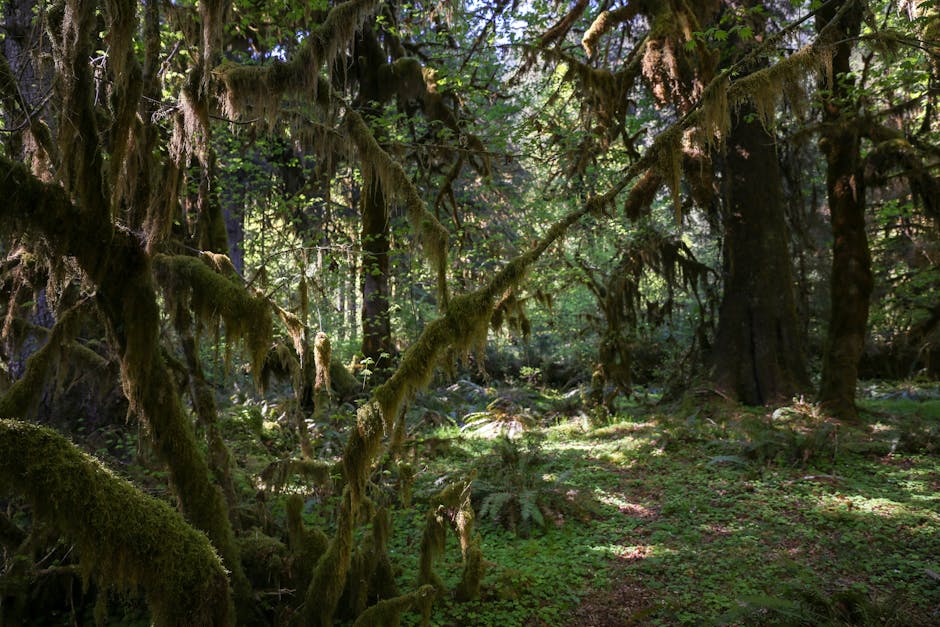
- Gloucestershire Wildlife Trust launches its largest campaign to date, focusing on nature recovery zones across the region.
- Nature recovery zones will provide a safe haven for wildlife to thrive and restore natural habitats in Gloucestershire.
- The trust is working with local landowners, farmers, and communities to identify and restore areas of land for conservation.
- Conservation efforts like nature recovery zones are crucial for maintaining biodiversity, as stated by the Nature website.
- The campaign aims to combat climate change, improve air and water quality, and enhance community health and wellbeing.
The sun rises over the rolling hills of Gloucestershire, casting a warm glow over the lush green landscapes. The air is filled with the sweet songs of birds and the gentle rustle of leaves, as nature awakens from its slumber. It’s a serene and peaceful scene, one that is being replicated across the region thanks to the efforts of the Gloucestershire Wildlife Trust. The trust has launched its largest campaign to date, focusing on the creation of nature recovery zones, inspired by the conservation efforts of Sir David Attenborough.
Nature Recovery Zones: A New Era for Conservation

The campaign, which is the biggest in the trust’s history, aims to create a network of nature recovery zones across Gloucestershire. These zones will provide a safe haven for wildlife to thrive, and will help to restore the region’s natural habitats. The trust is working with local landowners, farmers, and communities to identify areas of land that can be restored and protected. This will not only benefit the local wildlife, but also help to combat climate change, improve air and water quality, and enhance the overall health and wellbeing of the community. According to the Nature website, conservation efforts like these are crucial for maintaining biodiversity.
A History of Conservation Efforts

The Gloucestershire Wildlife Trust has a long history of conservation efforts, dating back to the 1960s. Over the years, the trust has worked tirelessly to protect and restore the region’s natural habitats, from the creation of nature reserves to the reintroduction of native species. However, the trust’s latest campaign is its most ambitious yet, and is inspired by the conservation efforts of Sir David Attenborough. Attenborough, a renowned naturalist and broadcaster, has been a vocal advocate for conservation and has inspired a generation of nature lovers to take action. The BBC has featured Attenborough’s work extensively, highlighting the importance of conservation.
The People Behind the Campaign

The campaign is being led by a team of dedicated conservationists, who are passionate about protecting the region’s wildlife. The team is working closely with local communities, landowners, and farmers to identify areas of land that can be restored and protected. The trust is also working with local schools and community groups to educate people about the importance of conservation and the benefits of nature recovery zones. According to the trust’s director, the campaign is a ‘once-in-a-lifetime opportunity’ to make a real difference to the region’s wildlife and ecosystems. The Guardian has reported on the trust’s efforts, highlighting the importance of community involvement in conservation.
The Consequences of Inaction

The consequences of inaction are stark. If the region’s natural habitats are not protected and restored, the local wildlife will continue to decline, and the community will miss out on the many benefits that nature provides. The trust’s campaign is not just about saving wildlife, but also about improving the health and wellbeing of the community. By creating nature recovery zones, the trust is helping to combat climate change, improve air and water quality, and enhance the overall quality of life for local people. The World Health Organization has highlighted the importance of conservation for human health.
The Bigger Picture
The Gloucestershire Wildlife Trust’s campaign is part of a larger movement to protect and restore the UK’s natural habitats. The campaign is inspired by the government’s goal to restore 30% of the UK’s land for nature by 2030. The trust’s efforts are also part of a global movement to combat climate change and protect biodiversity. According to the Centers for Disease Control and Prevention, conservation efforts like these are crucial for maintaining public health.
The campaign is a call to action, urging people to get involved and make a difference. Whether it’s volunteering time, donating money, or simply spreading the word, everyone can play a role in helping to protect the region’s wildlife. As the trust’s director says, ‘this is a once-in-a-lifetime opportunity to make a real difference to the region’s wildlife and ecosystems.’ The future of the region’s natural habitats is in our hands, and it’s up to us to take action and ensure that they are protected for generations to come.
Source: BBC