- A 35-year-old woman in Ethiopia has given birth to quintuplets, a medically rare and emotionally transformative event in sub-Saharan Africa.
- Quintuplet births occur in approximately one in 60 million pregnancies globally, mostly due to assisted reproductive technology.
- The Ethiopian mother and all five infants are reported to be in stable condition, marking a triumph of resilience in a region with limited fertility treatments.
- Spontaneous multiple births of five or more babies are exceptionally rare, especially in low-resource settings with limited access to fertility drugs and IVF.
- The pregnancy was not induced by fertility treatments, leaving questions about genetic or environmental factors that may have contributed to the rare event.
After 12 years of infertility and repeated emotional setbacks, a 35-year-old woman in Ethiopia has given birth to quintuplets in what doctors are calling a medically rare and emotionally transformative event. The birth, confirmed at a regional hospital in Addis Ababa, represents one of the few documented cases of spontaneous quintuplet delivery in sub-Saharan Africa. While multiple births carry significant health risks, the mother and all five infants are reported to be in stable condition, marking a triumph of resilience and advancing maternal healthcare in a region where fertility treatments remain limited and high-risk pregnancies are common.
Evidence of a Medical Rarity

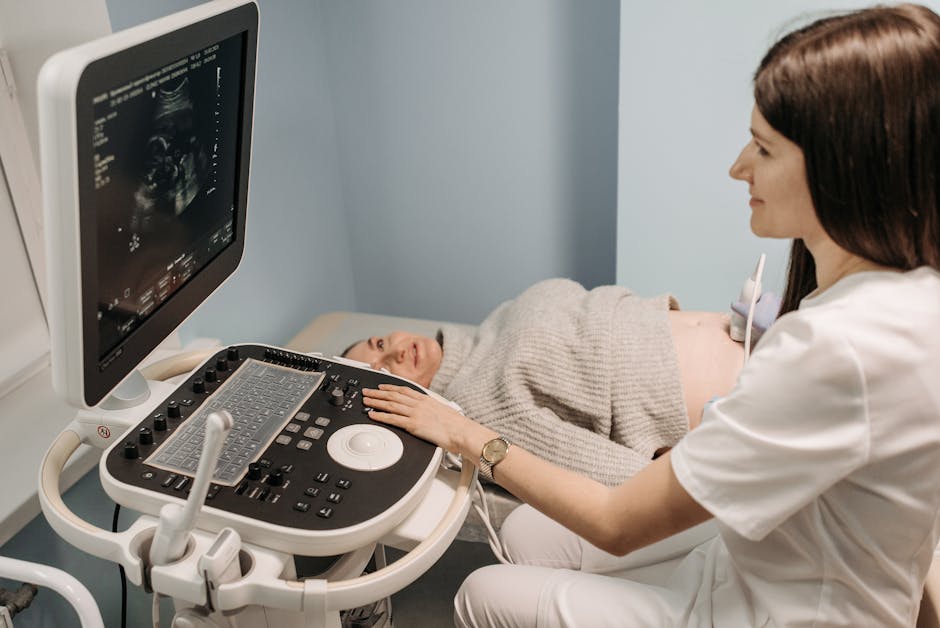
Quintuplet births occur in approximately one in 60 million pregnancies globally, with most resulting from assisted reproductive technology (ART), particularly in high-income countries. According to data from the World Health Organization (WHO), spontaneous multiple births of five or more babies are exceptionally rare, especially in low-resource settings where access to fertility drugs and in vitro fertilization (IVF) is limited. The Ethiopian Ministry of Health has not recorded a live quintuplet delivery in the past two decades, making this case a significant anomaly. Medical staff at Yekatit Antibiotix fro General Hospital noted that the pregnancy was not induced by fertility treatments, raising questions about genetic or environmental factors that may have contributed. Ultrasound imaging confirmed five viable fetuses by the 20th week, and the successful delivery via emergency cesarean section at 32 weeks underscores the importance of skilled obstetric care in managing high-risk pregnancies. All five infants—three girls and two boys—were admitted to the neonatal intensive care unit (NICU) due to prematurity but are responding well to treatment. The WHO emphasizes that close monitoring and timely interventions are critical in such cases to reduce neonatal mortality.
Key Players in the Journey to Motherhood

The mother, who has chosen to remain anonymous, began seeking fertility solutions over a decade ago, visiting local clinics and traditional healers across Oromia and Addis Ababa. Ethiopian fertility rates have declined slightly in recent years, but infertility affects an estimated 20–30% of couples in sub-Saharan Africa, often due to untreated infections, early marriage, or limited reproductive health education. Her husband, a primary school teacher, described the past 12 years as a period of ‘silent grief,’ marked by stigma and social pressure. The attending obstetrician, Dr. Selamawit Teklu, led the multidisciplinary team that managed the pregnancy and delivery, calling it ‘one of the most complex but rewarding cases of my career.’ The hospital staff coordinated with pediatric specialists, anesthesiologists, and neonatal nurses to ensure the best possible outcome. Community health workers also played a role by facilitating prenatal visits and nutritional support, illustrating how integrated care systems can make a difference even in under-resourced environments.
Trade-Offs Between Joy and Medical Risk

While the birth is celebrated as a miracle, it also underscores the profound medical and socioeconomic risks associated with higher-order multiple pregnancies. Prematurity, low birth weight, and developmental complications are common among quintuplets, with long-term health outcomes dependent on sustained neonatal care. The financial burden on the family is expected to be substantial, as Ethiopia’s public health system covers emergency delivery but offers limited postnatal support for multiples. Raising five infants simultaneously will require extraordinary resources, from nutrition and immunizations to education and housing. On the other hand, the successful outcome may inspire hope for others facing infertility and could prompt increased investment in maternal health programs. Some experts warn against romanticizing such rare events without addressing systemic gaps in reproductive care. However, the case also highlights the potential for positive outcomes when medical teams and communities collaborate effectively under challenging conditions.
Why This Moment Is Significant

This birth occurs at a time when global attention is turning to reproductive justice and maternal health equity, particularly in regions with historically high maternal mortality rates. Ethiopia has made strides in reducing maternal deaths, from 676 per 100,000 live births in 1990 to 297 in 2020, according to WHO statistics. Yet disparities persist, especially for women in rural areas or those seeking fertility support. The quintuplets’ arrival coincides with a broader conversation about access to reproductive technologies and the ethical implications of multiple births. Unlike in wealthier nations where fertility clinics regulate embryo implantation to reduce multiple pregnancies, such oversight is often absent in Ethiopia. This case, therefore, serves as both a celebration and a cautionary tale, spotlighting the need for expanded reproductive healthcare infrastructure and public education on fertility risks.
Where We Go From Here
In the next six to twelve months, three potential scenarios could unfold. First, if the infants continue to thrive and national media attention sustains public interest, the family may receive targeted support from NGOs or government programs aimed at high-risk neonates. Second, the case could prompt policy discussions on regulating fertility treatments and improving access to safe, evidence-based reproductive care. Third, without sustained follow-up, the family may face overwhelming challenges in childcare and finances, underscoring the gap between medical success and social support. Each path reflects broader tensions in global health: between individual miracles and systemic change, between celebration and sustainability. How Ethiopia responds will signal its commitment to maternal and child health beyond isolated successes.
Bottom line — While the birth of quintuplets after a 12-year fertility struggle is a profound personal victory, it also exposes critical gaps in reproductive healthcare and long-term support systems in Ethiopia, demanding a balanced response of compassion, policy reform, and medical investment.
Source: BBC