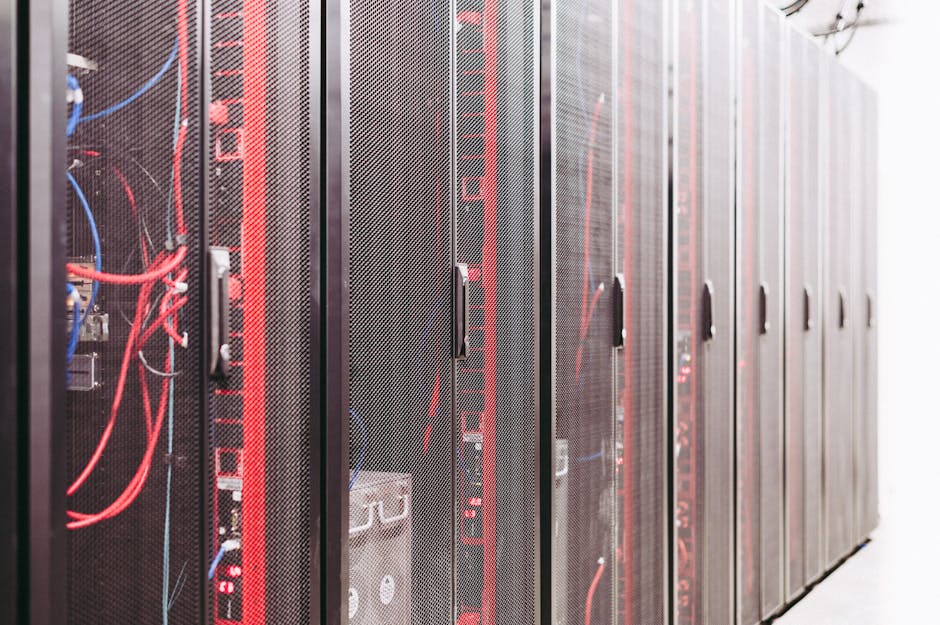
- Growing resistance to AI data centers due to environmental concerns and strain on local infrastructure.
- 69 US jurisdictions have implemented bans on new data center builds, with 4 considered permanent.
- AI data centers’ energy requirements have skyrocketed, contributing to increased greenhouse gas emissions.
- Concentration of data centers in specific regions raises concerns over water usage and noise pollution.
- Local governments reevaluate benefits and drawbacks of hosting AI data centers in their jurisdictions.
The rapid proliferation of artificial intelligence (AI) has led to an unprecedented demand for data centers to support the computational needs of these complex systems. However, this surge in data center construction has been met with growing resistance from local communities and governments, culminating in a wave of bans on new data center builds across the US. As of the latest tally, a staggering 69 jurisdictions have implemented such bans, with four of these moves noted as permanent. This striking trend underscores the increasingly contentious debate surrounding the environmental and social implications of AI data centers.
The Growing Backlash Against AI Data Centers

The backlash against AI data centers is not merely a localized phenomenon but rather a symptom of a broader societal concern regarding the environmental footprint of technology. As AI systems become more sophisticated, their energy requirements have skyrocketed, leading to a significant increase in greenhouse gas emissions. Furthermore, the concentration of data centers in specific regions has raised concerns over water usage, noise pollution, and the strain on local infrastructure. These issues have galvanized community resistance, prompting local governments to reevaluate the benefits and drawbacks of hosting AI data centers within their jurisdictions.
Key Players and Developments

The movement to ban or restrict AI data center development involves a diverse array of stakeholders, including local residents, environmental groups, and government agencies. Companies like Google, Amazon, and Microsoft, which are among the largest operators of data centers, are finding themselves at the forefront of this controversy. Recent developments have seen these tech giants engage in discussions with local communities and governments to address concerns and explore more sustainable data center designs. However, the pace of these efforts has been criticized as insufficient by many, who argue that more drastic measures are needed to mitigate the negative impacts of AI data centers.
Analyzing the Causes and Effects

An analysis of the causes behind the AI data center bans reveals a complex interplay of factors, including environmental concerns, economic considerations, and societal values. On one hand, the economic benefits of hosting data centers, such as job creation and tax revenue, are being weighed against the potential long-term environmental costs. Data from the New York Times and reports from the Environmental Protection Agency highlight the significant energy consumption and water usage associated with data centers, fueling concerns over their sustainability. Experts suggest that the industry must adopt more efficient technologies and sustainable practices to reduce its environmental footprint and regain public trust.
Implications for the Future of AI

The proliferation of AI data center bans has profound implications for the future development and deployment of AI technologies. As the demand for AI continues to grow, the availability of suitable locations for data centers will become increasingly constrained, potentially leading to higher operational costs and reduced scalability. This, in turn, could impact the pace of AI innovation, as companies may need to invest more heavily in sustainable data center solutions or explore alternative computing models, such as edge computing or quantum computing, to mitigate these challenges.
Expert Perspectives
Experts in the field offer contrasting viewpoints on the AI data center ban trend. Some argue that these bans are a necessary step towards ensuring that the growth of the tech industry is sustainable and responsible. Others contend that such measures could stifle innovation and hinder the ability of the US to remain competitive in the global AI race. According to Dr. Maria Hernandez, a leading researcher in sustainable computing, “The industry must navigate this challenge by prioritizing sustainability and community engagement, thereby ensuring that the benefits of AI are equitably distributed and its negative impacts are minimized.”
Looking forward, the key question is how the tech industry, governments, and local communities will collaborate to address the challenges posed by AI data centers. As the world becomes increasingly reliant on AI and other digital technologies, finding a balance between technological advancement and environmental stewardship will be crucial. The outcome of this effort will not only determine the future of AI but also shape the trajectory of sustainable development in the tech sector, with far-reaching implications for generations to come.
Source: Tomshardware