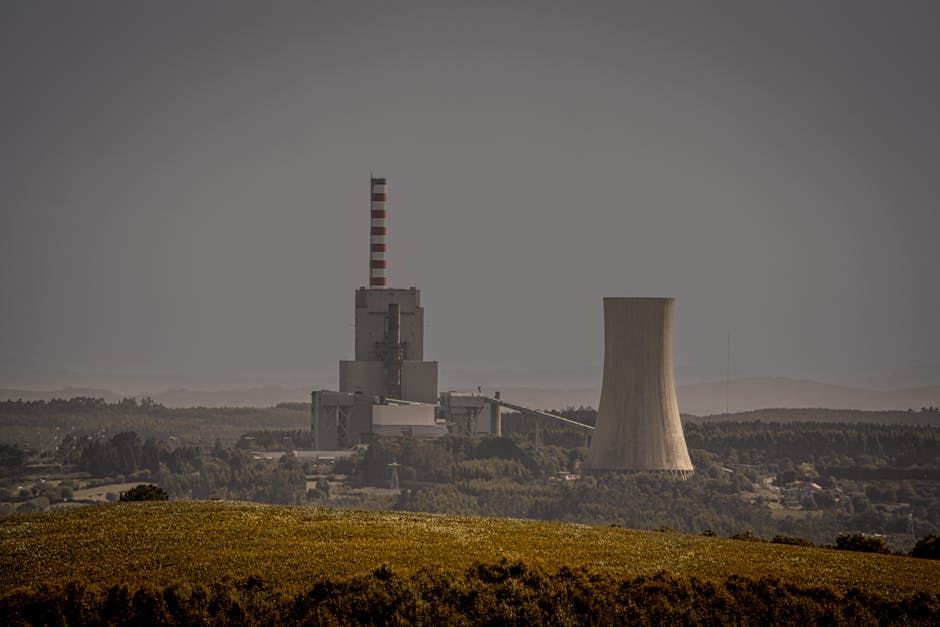
- A Sierra Club report reveals Texas coal plants consume 57 billion gallons of water annually, a significant contributor to the state’s water crisis.
- Texas is already experiencing water shortages, with major reservoirs operating below 50% capacity, intensifying the impact of coal plant water usage.
- The report emphasizes the urgent need for Texas to reassess water usage and adopt more sustainable practices within the energy sector.
- Continued inaction on water conservation could severely impact Texas’s economy and the livelihoods of its residents, according to reports.
- Coal plants represent a surprising and substantial water consumer, compounding existing pressures on Texas’s limited water resources.
The heart of Texas, once a thriving landscape of rolling hills and vast ranchlands, is now facing an unprecedented threat: a dwindling water supply. As the state’s population continues to grow, its water resources are being stretched to the limit, and a new report from the Sierra Club has shed light on a surprising culprit: coal plants. These industrial behemoths, which have long been a staple of Texas’s energy landscape, are consuming staggering amounts of water, further exacerbating the state’s water crisis.
The Current State of Water Usage

According to the Sierra Club’s report, Texas coal plants are draining a staggering 57 billion gallons of water annually, making them one of the largest consumers of water in the state. This is particularly alarming given that Texas is already facing significant water shortages, with many of its major reservoirs operating at less than 50% capacity. The report highlights the urgent need for the state to reassess its water usage and prioritize more sustainable practices, particularly in the energy sector. As The New York Times has reported, the consequences of inaction could be severe, with water shortages potentially crippling the state’s economy and threatening the livelihoods of its citizens.
A History of Water Intensity

The story behind Texas’s water crisis is complex and multifaceted, but one key factor is the state’s long history of water-intensive energy production. Coal plants, which have been a mainstay of the state’s energy landscape for decades, have always required significant amounts of water to operate. However, as the state’s population has grown and its energy needs have increased, so too has the demand for water. This has put a strain on the state’s water resources, which are already under threat from drought, climate change, and other factors. As the Environmental Protection Agency has noted, the energy sector is one of the largest consumers of water in the United States, and Texas is no exception.
The Players Involved

So who is shaping the conversation around water usage in Texas, and what are their motivations? The Sierra Club, a prominent environmental organization, has been a key player in highlighting the issue of water usage by coal plants. The group’s report is part of a broader effort to raise awareness about the need for more sustainable energy practices and to push for policy changes that prioritize water conservation. Meanwhile, the energy industry has pushed back against the report’s findings, arguing that coal plants are essential to meeting the state’s energy needs and that water usage is a necessary evil. As Reuters has reported, the debate is likely to be fiercely contested, with significant implications for the state’s energy and environmental policies.
Consequences for Stakeholders

So what do the Sierra Club’s findings mean for stakeholders in Texas? The answer is complex, but one thing is clear: the state’s water crisis has significant implications for its citizens, businesses, and environment. If left unaddressed, the crisis could lead to severe water shortages, economic disruption, and environmental degradation. This, in turn, could have far-reaching consequences for the state’s agriculture, industry, and tourism sectors, among others. As the Centers for Disease Control and Prevention has noted, access to clean water is essential for public health, and the state’s water crisis poses a significant threat to the well-being of its citizens.
The Bigger Picture
The issue of water usage by coal plants in Texas is part of a broader national conversation about the need for more sustainable energy practices. As the United States transitions to a low-carbon economy, it will be essential to prioritize water conservation and efficiency, particularly in the energy sector. This will require significant investment in new technologies and infrastructure, as well as policy changes that incentivize sustainable practices. As Nature has reported, the stakes are high, but the potential rewards are significant: a more sustainable energy system could help to mitigate the worst impacts of climate change, protect public health, and ensure a prosperous future for generations to come.
As the people of Texas look to the future, one thing is clear: the state’s water crisis will require a sustained and collective effort to address. The Sierra Club’s report is an important step in this process, highlighting the need for greater awareness and action on the issue of water usage by coal plants. As the state’s citizens, businesses, and policymakers come together to address this crisis, they will be shaping not only the future of Texas but also the future of the United States. The question is, what will they do next?
Source: Yahoo