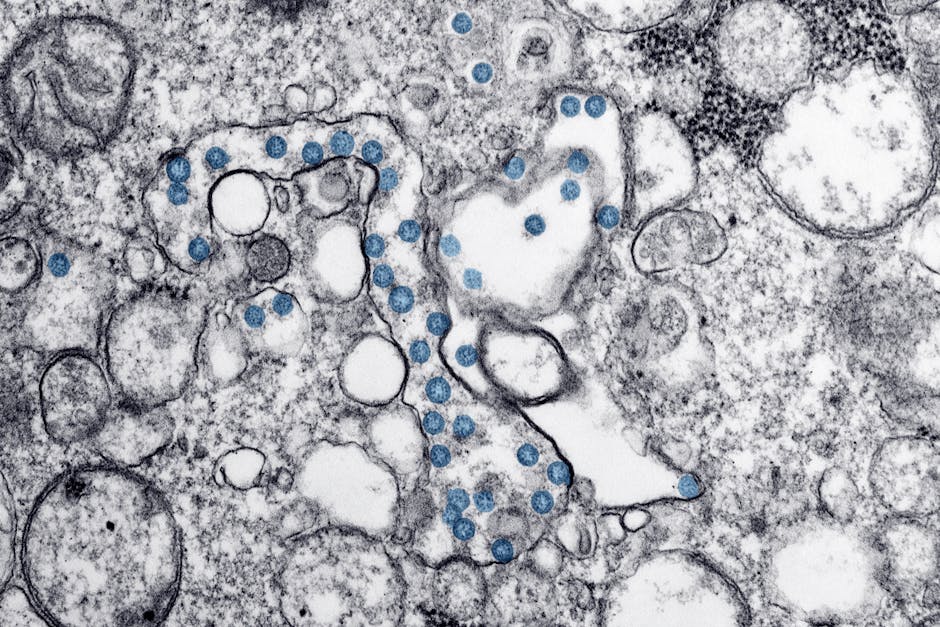
- A hantavirus outbreak on a cruise ship near sub-Antarctic islands resulted in three fatalities and multiple infections.
- Hantavirus is a rodent-borne virus causing severe respiratory and hemorrhagic diseases in humans, primarily spread through aerosolized particles.
- Transmission on the ship is suspected to have begun after the vessel docked at Gough Island, where invasive house mice are present.
- There is no widely available vaccine for hantavirus, highlighting public health concerns and the need for pandemic preparedness.
- High-density environments with limited medical infrastructure increase the risk of zoonotic disease outbreaks, like the one on the cruise ship.
What happens when a rare and deadly virus emerges on a cruise ship in international waters? That’s the question gripping global health officials after a hantavirus outbreak infected multiple passengers, including three fatalities, aboard a luxury expedition vessel traveling near sub-Antarctic islands. Two British nationals were medically evacuated—69-year-old David Pryce, now in intensive care in Johannesburg, and Martin Anstee, a 56-year-old expedition guide being treated in the Netherlands. As health agencies scramble to contain the situation, the incident raises urgent concerns about how easily zoonotic diseases can spread in isolated, high-density environments far from immediate medical infrastructure. With no widely available vaccine and limited public awareness, the outbreak has become a case study in pandemic preparedness beyond borders.
What Is Hantavirus and How Did It Spread on the Ship?

Hantavirus is a group of rodent-borne viruses that can cause severe respiratory and hemorrhagic diseases in humans. Transmission occurs primarily through inhalation of aerosolized particles from infected rodent urine, droppings, or saliva. In this case, investigators suspect the outbreak began when the cruise ship, the MV *Polar Adventurer*, docked at Gough Island—a remote British Overseas Territory in the South Atlantic—where invasive house mice have proliferated unchecked. Unlike most hantaviruses, which are tied to specific rodent hosts in the Americas or Asia, the strain detected shares genetic similarities with a variant found in African rodents, suggesting either an introduced species or undetected local transmission. With over 140 passengers and crew on board during the three-week voyage, close quarters and shared ventilation systems may have accelerated human-to-human transmission, though this remains under investigation by the World Health Organization (WHO) and South African National Institute for Communicable Diseases (NICD).
Medical Evacuations and International Response

David Pryce, a retired biologist from Bristol, was airlifted to Netcare Milpark Hospital in Johannesburg after developing acute respiratory distress syndrome, a hallmark of severe hantavirus pulmonary syndrome (HPS). His condition remains critical but has stabilized, according to his family. Martin Anstee, a seasoned polar guide employed by the tour operator Oceanwide Expeditions, was evacuated to Erasmus Medical Center in Rotterdam, a facility with expertise in emerging infectious diseases. Dutch health authorities confirmed he is in stable condition and responding to supportive care. The British Foreign, Commonwealth & Development Office (FCDO) has issued travel advisories for returning passengers, urging self-isolation and symptom monitoring. Meanwhile, the ship has been quarantined off the coast of Namibia, with all remaining individuals under observation. WHO’s latest situation report notes 17 confirmed cases and three deaths linked to the outbreak, with genomic sequencing underway to determine the exact strain.
Are Cruise Ships Vulnerable to Future Outbreaks?

Despite stringent biosecurity protocols, cruise ships remain vulnerable to rapid disease spread due to confined living spaces, recycled air systems, and international passenger mixes. Critics argue that current regulations under the International Maritime Health Association (IMHA) are outdated, focusing primarily on foodborne and respiratory pathogens like norovirus and influenza, not zoonotic threats. Dr. Lena Mkhize, an epidemiologist at the NICD, told Reuters that “this event underscores the need to integrate ecological risk assessments into maritime health planning—especially in ecologically fragile zones where human-wildlife interfaces are increasing.” Some experts also point to climate change, which may be expanding rodent habitats and altering migration patterns, potentially increasing contact between wildlife and human travelers. While no evidence confirms sustained human-to-human transmission of hantavirus, clusters in Argentina and China have raised alarms, suggesting certain strains may adapt under pressure.
Impact on Travelers and Expedition Tourism

The outbreak has sent shockwaves through the luxury expedition travel industry, which has grown rapidly in the past decade, targeting adventurous retirees and nature enthusiasts. Oceanwide Expeditions has suspended all South Atlantic sailings indefinitely, and insurers are reassessing risk models for remote voyages. At least 12 other passengers who returned to the UK, US, and Germany are under voluntary quarantine, with public health teams conducting contact tracing. The incident echoes earlier crises like the 2020 COVID-19 outbreaks on ships such as the *Diamond Princess*, but with a key difference: hantavirus lacks rapid point-of-care diagnostics and antiviral treatments, making early intervention more difficult. Travelers now face tougher screening questions, and some tour operators are introducing pre-embarkation rodent exposure histories and enhanced sanitation protocols, including ultraviolet air filtration and sealed waste systems.
What This Means For You
If you’re planning a remote expedition or returning from high-risk ecological zones, be aware of zoonotic disease risks—even in destinations considered safe. Symptoms like sudden fever, muscle aches, and shortness of breath within weeks of travel should prompt immediate medical consultation. While hantavirus remains rare, its fatality rate can exceed 40% in severe cases. Stay informed through official health advisories and consider travel insurance that covers medical evacuation. The global health community must also invest in surveillance at remote ports and improve diagnostic tools for emerging pathogens.
As climate change and human exploration push into fragile ecosystems, could more unknown viruses emerge from the world’s most isolated corners? And are current international health regulations equipped to handle outbreaks that begin not in cities or farms, but on the open sea? The answers may shape the future of global travel and pandemic resilience.
Source: The Guardian