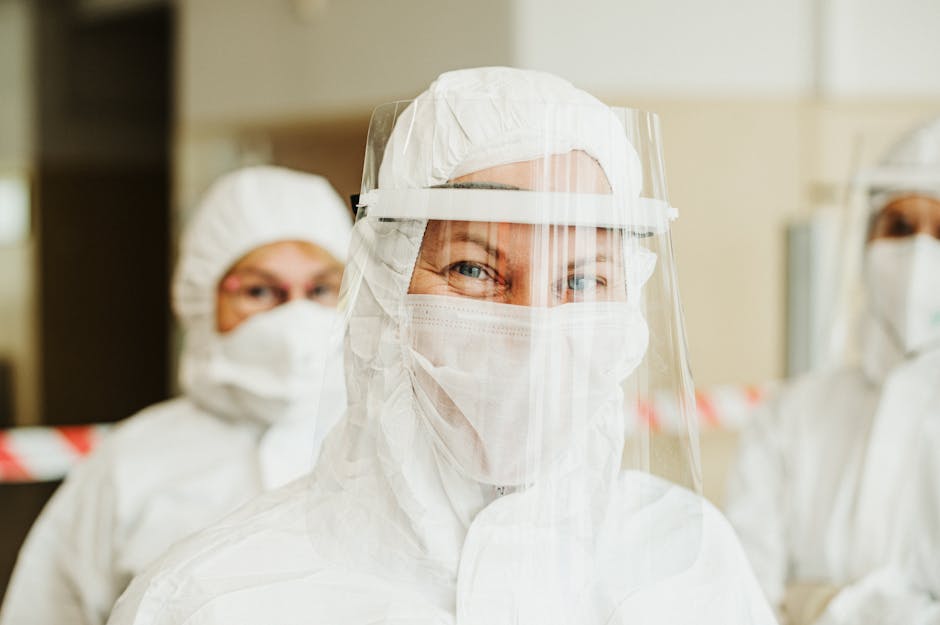
- Hantavirus cases among cruise passengers triggered international health alerts and reawakened fears among healthcare workers.
- Nurses and physicians who battled COVID-19 on the front lines are particularly vulnerable to hantavirus due to similar symptoms.
- Hantavirus remains a rare disease, with fewer than 60 annual cases reported in the U.S., according to the CDC.
- The presentation of hantavirus, including fever and respiratory distress, echoes early pandemic experiences, exacerbating trauma.
- Frontline healthcare workers continue to grapple with PTSD, depression, and anxiety stemming from the 2020-2022 pandemic.
In early 2024, a cluster of five confirmed hantavirus cases emerged among passengers returning from a luxury cruise through the Galápagos Islands, triggering international health alerts and reawakening visceral fears among healthcare workers who battled the front lines of the COVID-19 pandemic. For nurses and physicians like Maria Thompson, who helped establish the first dedicated COVID-19 unit in her Midwest hospital, the news prompted sleepless nights and flashbacks to overwhelmed ICUs, PPE shortages, and the suffocating weight of uncertainty. While hantavirus remains rare—with fewer than 60 annual cases reported in the U.S. according to the Centers for Disease Control and Prevention—its presentation with fever, respiratory distress, and rapid deterioration echoes early pandemic experiences, making it uniquely triggering for those who lived through the crisis.
The Psychological Weight of Past Pandemic Trauma

For many frontline healthcare workers, the emotional scars of the 2020–2022 pandemic remain unhealed. Studies published in The Lancet Psychiatry have shown elevated rates of PTSD, depression, and anxiety among medical staff post-pandemic, particularly those in intensive care and emergency departments. The hantavirus cruise cluster—though epidemiologically distinct—resembles a haunting echo: confined spaces, asymptomatic transmission windows, and a pathogen with no widely available vaccine or antiviral treatment. This psychological resonance is not irrational; it reflects what trauma specialists call ‘trigger stacking,’ where new events reactivate unresolved stress from prior crises. As public health officials monitor potential secondary cases, mental health advocates warn that media coverage must balance transparency with sensitivity to those whose trauma is still acute.
Understanding the Hantavirus Cruise Cluster

The outbreak originated on the MS Pacific Dream, a 2,000-passenger vessel operated by Oceanic Cruises, which sailed from Ecuador in late January. Of the five confirmed cases, all patients reported rodent exposure in remote island cabins, consistent with the virus’s primary transmission vector: inhalation of aerosolized particles from infected rodent droppings or urine. Hantavirus pulmonary syndrome (HPS), the severe respiratory form seen in the Americas, has a fatality rate of nearly 40%, according to the CDC. Unlike SARS-CoV-2, hantavirus does not spread efficiently between humans, with rare exceptions documented in South America. Still, the confined environment of a cruise ship—where ventilation systems and shared spaces amplify infection risks—heightened concern. The World Health Organization was notified under International Health Regulations, and contact tracing is ongoing across four countries, including the U.S., Canada, and Germany.
Epidemiological Reality vs. Emotional Response

Despite the emotional toll on healthcare workers, public health experts emphasize that hantavirus poses a fundamentally different threat than COVID-19. SARS-CoV-2 is highly contagious via respiratory droplets and aerosols, with an R0 often exceeding 3.0 in unmitigated settings; hantavirus, by contrast, requires direct environmental exposure and lacks sustained human-to-human transmission. The annual U.S. case count has remained below 60 for over a decade, with most linked to rural or wilderness settings, not urban centers or healthcare facilities. However, the psychological impact on former frontline staff is a legitimate public health concern. Dr. Lena Cho, a psychiatrist at Johns Hopkins specializing in medical trauma, explains: ‘When you’ve experienced systemic collapse—even temporarily—the brain remains on high alert. A new outbreak, even a minor one, can signal impending chaos, regardless of actual risk.’
Implications for Healthcare Systems and Workforce Resilience

The emotional response from pandemic-experienced healthcare workers underscores a growing need for institutional mental health support within medical systems. Hospitals that implemented peer support programs, trauma-informed debriefings, and flexible scheduling during COVID-19 report lower burnout rates today, but many institutions have scaled back these services as the emergency phase ended. The hantavirus incident reveals that residual trauma can resurface with minimal provocation, potentially affecting clinical judgment, absenteeism, and workforce retention. Moreover, as climate change expands rodent habitats and global travel increases exposure risks, rare zoonotic outbreaks may become more frequent—requiring not just epidemiological readiness, but psychological preparedness.
Expert Perspectives
Public health leaders are divided on how to address the emotional fallout. Dr. Arjun Patel of the CDC stresses factual communication: ‘We must avoid amplifying fear while ensuring at-risk individuals seek care.’ Conversely, psychologist Dr. Naomi Ellis argues, ‘Dismissing frontline anxiety as irrational ignores the real toll of trauma. Validating their experience is part of building resilient systems.’ Some experts advocate for ‘outbreak briefings’ that include mental health context, helping healthcare workers differentiate between evidence-based risk and emotional triggers.
As global health surveillance improves, rare disease clusters like this hantavirus outbreak will likely be detected more frequently—raising awareness but also anxiety. The challenge ahead is twofold: to strengthen zoonotic disease monitoring in ecotourism and travel sectors, and to build psychological infrastructure that supports those who have already borne the weight of pandemic response. For former frontline workers, healing requires not just time, but recognition that their vigilance, even when tinged with trauma, stems from a place of profound commitment to public health.
Source: Reddit