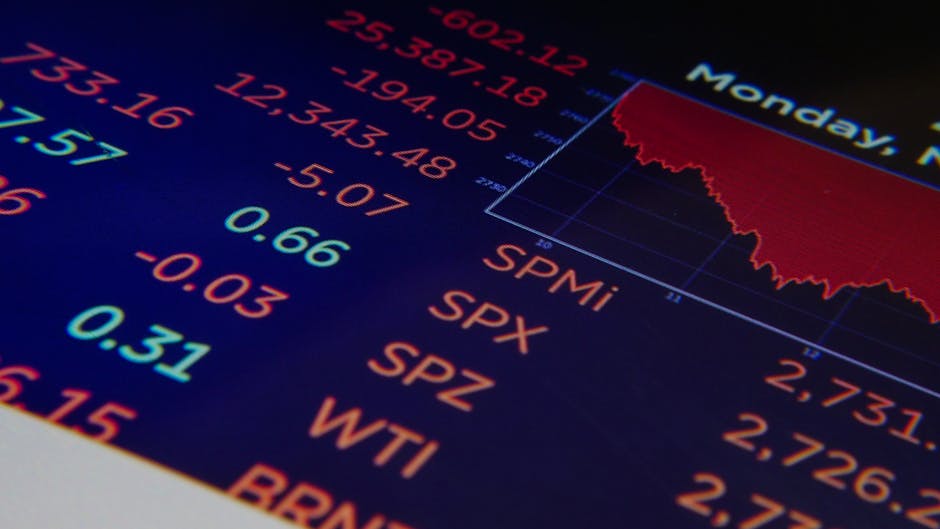
- Apollo CEO Marc Rowan warns of an impending market correction due to elevated risk of shocks.
- Rowan has positioned Apollo defensively to prepare for potential market fallout.
- Market indicators suggest a correction is overdue, with the NYSE experiencing prolonged growth.
- Excessive speculation and leverage have fueled market growth, which may be unsustainable.
- Historic valuations of certain assets, such as tech stocks, indicate a potential market bubble.
Apollo CEO Marc Rowan has sounded the alarm on the state of the markets, warning that an unexpected correction is looming on the horizon. In a stark assessment, Rowan cautioned that the current market environment is ripe for a downturn, citing an elevated risk of shocks that could send investors scrambling. As a result, Rowan has positioned Apollo defensively, preparing the firm for the potential fallout of a market correction. This move is a significant shift in strategy for the private equity giant, and it underscores the growing sense of unease among investors and market watchers.
Evidence of a Market Bubble

Rowan’s warnings are backed up by hard data, with many market indicators suggesting that a correction is overdue. For example, the NYSE has experienced a prolonged period of growth, with the S&P 500 index rising by over 50% in the past two years. However, this growth has been fueled in part by excessive speculation and leverage, which can be unsustainable in the long term. Furthermore, many analysts point to the historic valuations of certain assets, such as technology stocks, as evidence of a market bubble waiting to be burst. As Rowan noted, these factors combined create a perfect storm that could lead to a sharp correction in the markets.
Key Players and Their Roles

The private equity landscape is dominated by a handful of key players, including Apollo, Blackstone, and KKR. These firms have been major beneficiaries of the current market environment, with many of them reporting record profits in recent years. However, Rowan’s warnings suggest that these firms may be about to face a significant challenge. In particular, Rowan slammed the “egregious” practices of some rival insurers, which he claimed were taking on excessive risk in pursuit of short-term gains. This criticism is likely aimed at firms such as Third Point and Pershing Square, which have been accused of engaging in aggressive and risky investment strategies.
Trade-Offs and Risks

Rowan’s decision to position Apollo defensively is a calculated move that reflects the trade-offs and risks involved in the current market environment. On the one hand, taking a defensive stance may mean missing out on potential gains if the market continues to rise. On the other hand, failing to prepare for a correction could result in significant losses if the market does indeed downturn. As Rowan noted, the key is to strike a balance between caution and opportunism, taking steps to mitigate potential risks while still being positioned to take advantage of any opportunities that may arise. This approach requires a deep understanding of the market and its underlying dynamics, as well as a willingness to take a contrarian view when necessary.
Timing and Market Cycles

So why is Rowan sounding the alarm now, and what has changed in the market environment? The answer lies in the market cycle, which is inherently unpredictable and subject to sudden shifts. As Rowan noted, the current market environment is characterized by a unique combination of factors, including low interest rates, high asset valuations, and excessive speculation. This combination has created a perfect storm that could lead to a sharp correction at any moment. Furthermore, Rowan pointed to the growing uncertainty surrounding the global economy, including the ongoing trade tensions and the potential for a recession in the near future.
Where We Go From Here
Looking ahead to the next 6-12 months, there are several possible scenarios that could play out. In the first scenario, the market continues to rise, fueled by ongoing speculation and leverage. In the second scenario, the market experiences a sharp correction, with asset prices falling by 10-20% or more. In the third scenario, the market enters a period of stagnation, with asset prices remaining flat or rising only slowly. As Rowan noted, the key to navigating these different scenarios is to remain flexible and adaptable, taking a long-term view and being willing to adjust one’s strategy as circumstances change.
In conclusion, Rowan’s warnings of a market correction are a timely reminder of the risks and uncertainties that exist in the current market environment. As investors and market watchers, it is essential to remain vigilant and prepared for any eventuality, taking a defensive stance when necessary and being willing to adapt to changing circumstances. Ultimately, the bottom line is that a market correction is a real and present danger, and investors would do well to heed Rowan’s warnings and take steps to protect themselves.
Source: CNBC