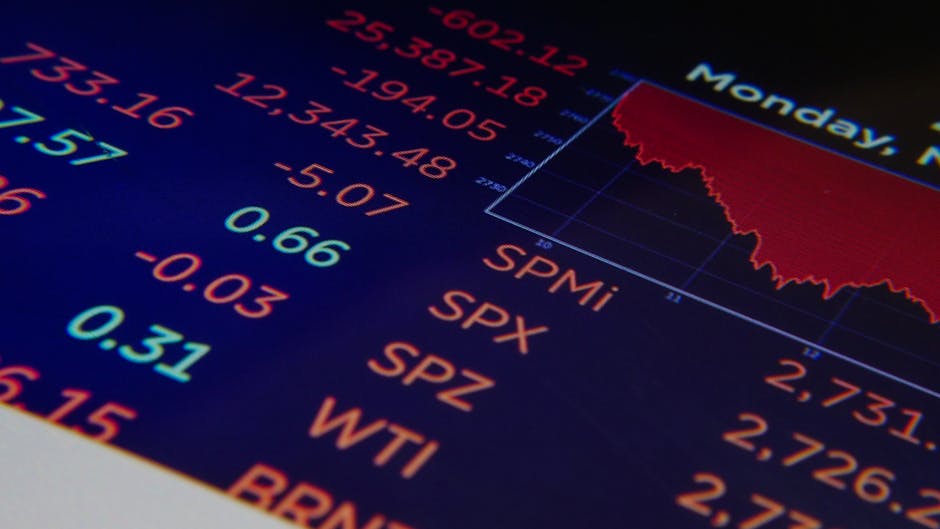
- Global oil markets have remained calm despite increasing hostilities involving Iran and its regional proxies.
- Crude benchmarks like Brent and WTI have fluctuated within a narrow band, defying expert forecasts.
- Ample strategic reserves and diversified supply chains have reduced the risk of supply disruption.
- Iran’s ability to disrupt global energy flows has been recalibrated, affecting market perception.
- A surplus in global oil supply, exceeding demand by 800,000 barrels per day, has insulated markets.
Despite a marked escalation in hostilities involving Iran and its regional proxies in 2024, global oil markets have remained strikingly calm—a divergence from historical patterns that has upended conventional geopolitical risk models. Unlike past crises, where even the threat of supply disruption triggered sharp price spikes, crude benchmarks like Brent and WTI have fluctuated within a narrow band, defying expert forecasts. This anomaly suggests a structural shift in how markets assess risk, driven by diversified supply chains, ample strategic reserves, and a recalibrated perception of Iran’s ability to disrupt global energy flows.
Oil Markets Defy Geopolitical Risk Signals

Since January 2024, incidents in the Persian Gulf—including drone attacks on tankers, missile strikes in Iraq, and Iranian-backed Houthi activity in the Red Sea—have increased by over 40% compared to the same period last year, according to data from the U.S. Naval Forces Central Command. Yet, Brent crude has traded between $82 and $88 per barrel, a 7% range well below the 20% volatility seen during the 2019 tanker attacks. The International Energy Agency (IEA) reported in its May 2024 Oil Market Report that global oil supply exceeded demand by 800,000 barrels per day, with non-OPEC producers like the United States and Guyana accounting for nearly 90% of new output. This surplus, coupled with floating storage at multi-year highs, has effectively insulated markets from short-term disruptions. Even OPEC+’s cautious production strategy has failed to spark upward price pressure, underscoring a broader detachment between conflict and commodity response.
Key Players and Their Strategic Calculations

The primary actors in this evolving crisis—Iran, Israel, the United States, and regional proxies like Hezbollah and the Houthis—have pursued calibrated escalation, avoiding direct attacks on major oil infrastructure. Iran has largely confined its actions to indirect warfare, relying on asymmetric tactics that signal resolve without triggering a full-scale conflict. Meanwhile, the U.S. Fifth Fleet has maintained freedom of navigation operations, supported by allied naval deployments from the UK and France. Notably, Saudi Arabia and the UAE have refrained from major retaliatory actions despite repeated threats, prioritizing economic stability over military posturing. According to a Reuters investigation, U.S. intelligence assessments suggest Iran has deliberately avoided targeting pipelines or export terminals in the Strait of Hormuz, aware that such moves could unify global opposition and invite crippling sanctions.
Trade-Offs in Energy Security and Market Stability

The current stability in oil prices carries both benefits and risks. On one hand, consumers and importing nations benefit from predictable energy costs, supporting inflation control and economic growth. Central banks, including the Federal Reserve and European Central Bank, have cited stable energy prices as a factor in their recent dovish policy shifts. On the other hand, complacency could erode preparedness: U.S. Strategic Petroleum Reserve (SPR) levels remain near 40-year lows after emergency draws in 2022, and global spare capacity is concentrated in just a few countries, primarily Saudi Arabia. A sudden supply shock—such as a successful strike on the Abqaiq processing facility—could overwhelm current buffers. Furthermore, the decoupling of oil prices from conflict may embolden regional actors to escalate brinkmanship, underestimating the potential for rapid market repricing if thresholds are crossed.
Why the Timing Defies Historical Precedent

The muted market reaction is a product of structural changes that have accumulated over the past decade. The U.S. has emerged as the world’s top oil producer, reducing its reliance on Middle Eastern imports and altering global risk calculus. Additionally, the proliferation of liquefied natural gas (LNG) and renewable energy has diversified energy portfolios, diminishing oil’s dominance in the global energy mix. The 2022 energy crisis, triggered by the Ukraine war, also prompted nations to strengthen emergency coordination through the IEA, conducting joint release drills and improving supply-sharing protocols. These measures have enhanced confidence that disruptions can be managed without panic. As a result, markets now appear to price in regional conflict as a persistent, manageable risk rather than an existential threat.
Where We Go From Here
In the next 6–12 months, three scenarios could reshape the landscape. First, a contained escalation—limited to proxy engagements and cyber operations—could maintain current price stability, especially if OPEC+ maintains output discipline. Second, a direct attack on Gulf oil infrastructure could trigger an immediate 20–30% price spike, forcing coordinated SPR releases and potentially reviving inflation concerns. Third, diplomatic breakthroughs, such as a revived nuclear deal or regional de-escalation pact, could lead to a sustained price decline as risk premiums evaporate. Each scenario hinges on the interplay between military actions, diplomatic channels, and market psychology—factors that remain highly fluid.
Bottom line — the resilience of oil markets amid rising conflict reflects a new era of energy geopolitics, where diversified supply and strategic coordination have tempered traditional vulnerabilities, but not eliminated them.
Source: Edition